Oem Hot Chamber Die Casting Production Line Manufacturer
Hot chamber die casting is the preferred process for alloys with low melting points such as zinc, magnesium, and lead‑based compositions. The production line integrates a holding furnace, gooseneck
OEM Hot Chamber Die Casting Production Line Manufacturer
Hot chamber die casting is the preferred process for alloys with low melting points such as zinc, magnesium, and lead‑based compositions. The production line integrates a holding furnace, gooseneck injection system, hydraulic clamping unit, and automated part handling into a single synchronized cell.
Core Equipment Configuration
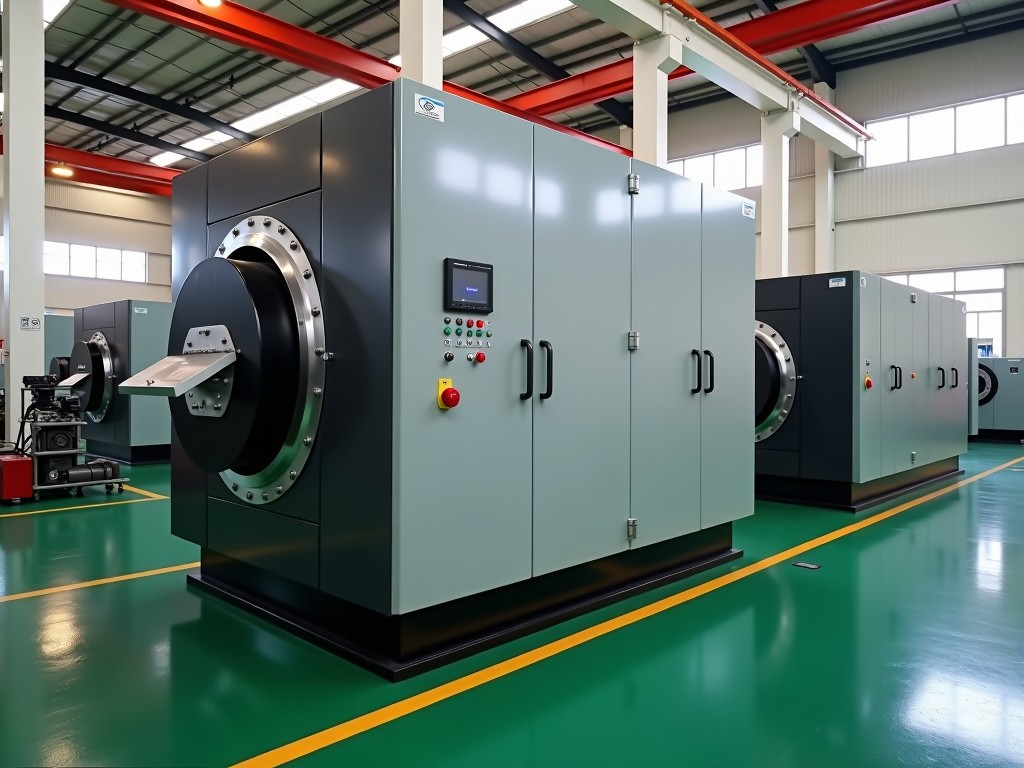
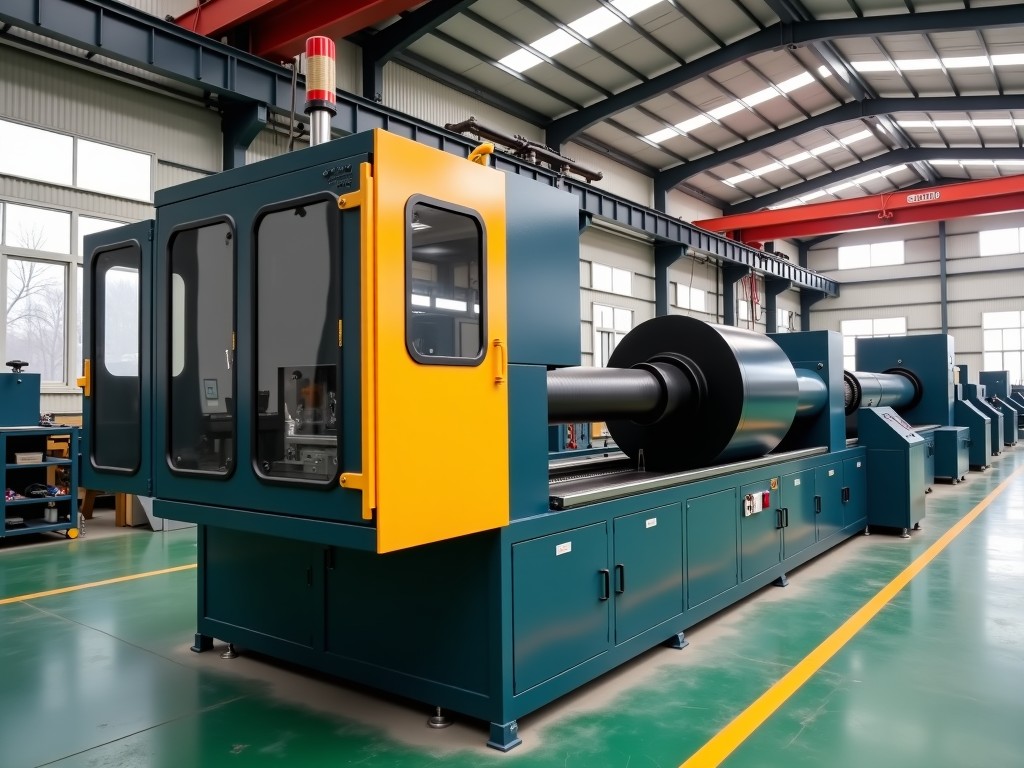
A typical line comprises a temperature‑controlled holding furnace (±2 °C stability), a gooseneck shot sleeve made from H13 tool steel, a hydraulic clamping system rated for the required tonnage, and a PLC‑based control cabinet with HMI for recipe management.
Typical Technical Specifications
| Parameter | Typical Value | Customization Range |
|---|---|---|
| Clamping force | 200–800 kN | Up to 1,200 kN on request |
| Maximum shot weight | 0.5–5 kg | Up to 10 kg with upgraded furnace |
| Cycle time (dry shot) | 3–6 s | Adjusted via servo‑driven injection |
| Furnace capacity | 150–500 kg melt | Scalable to 1,000 kg |
| Control system | Siemens S7‑1500 PLC + HMI | Alternative PLC brands available |
| Footprint (L×W×H) | 4.5 m × 2.2 m × 2.8 m | Modular layout per plant layout |
Material Compatibility
The hot chamber method suits alloys that remain liquid at the furnace temperature without excessive oxidation. Common choices include:
- Zinc alloys – Zamak 3, Zamak 5, ZA‑8; require nitrogen blanket to limit dross.
- Magnesium alloys – AZ91D, AM60B; demand protective SF₆ or alternative cover gas.
- Lead‑based alloys – for radiation shielding components; furnace lined with ceramic to avoid contamination.
Customization & Integration Options
Each line is engineered to the customer’s part geometry, volume target, and factory layout. The main configurable items are:
- Clamping force and platen size matched to projected part envelope.
- Number of cavities (single, double, or multi‑cavity) and cavity‑to‑cavity spacing.
- Automation level – robotic part extraction, conveyor‑based cooling, or fully automated cell with vision inspection.
- Safety guarding, light curtains, and emergency stop circuits compliant with ISO 12100.
- Data integration – OPC UA, MQTT, or Profinet for MES connectivity.
Quality Assurance & Inspection
In‑process monitoring captures melt temperature, injection pressure profile, and cycle time at 10 ms resolution. Post‑cast verification follows a defined inspection plan:
- Dimensional inspection on CMM (±0.02 mm) for critical features.
- X‑ray or CT scanning for internal porosity on safety‑critical parts.
- Surface roughness measurement (Ra) per ISO 4287.
- Statistical process control charts updated each shift.
Lead Time, Packaging & Logistics
After order confirmation and design freeze, the typical manufacturing lead time is 12–16 weeks. Equipment is shipped in seaworthy wooden crates with internal vibration‑damping foam, corrosion‑inhibiting VCI film, and lifting points rated for the heaviest module. Optional on‑site commissioning and operator training can be arranged.
Frequently Asked Questions
Can the line dimensions be customized to fit an existing plant layout?
Yes. The modular frame allows length, width, and height adjustments within the ranges shown in the specification table. A site survey is recommended before finalizing the layout.
What information is required before a quotation can be issued?
Part drawings (3‑D CAD preferred), annual volume, alloy grade, required cycle time, and any automation or integration requirements.
Which alloys can be processed on the same line?
A single furnace can handle one alloy family at a time. Switching between zinc and magnesium requires furnace cleaning, liner change, and cover‑gas conversion, which is feasible but adds downtime.
How is quality inspected during production?
Real‑time sensors log melt temperature, injection pressure, and plunger velocity. Offline, parts are measured on CMM, X‑ray inspected for porosity, and surface roughness verified per the inspection plan.
What packaging methods protect the equipment during export?
Each module is secured in a custom wooden crate with foam inserts, VCI corrosion film, and steel strapping. Crates are marked with handling symbols and weight distribution data.
What is the typical production lead time after order confirmation?
12–16 weeks for standard configurations; extended timelines apply for highly customized automation packages.
How are samples arranged for validation?
Pre‑production trial runs can be scheduled at the factory. Sample parts are shipped in protective packaging with full dimensional reports.
Next Steps
Ready to discuss your hot chamber die casting line? Request a detailed quotation or schedule a technical consultation. Our engineering team will review your part data and propose a configuration that balances throughput, quality, and capital efficiency.