Oem Die Casting Machine Spare Parts Supplier
Supplying replacement components for high‑pressure die casting equipment requires a clear understanding of thermal cycles, mechanical loads, and the metallurgy that governs wear resistance. This page
OEM Die Casting Machine Spare Parts Supplier
Supplying replacement components for high‑pressure die casting equipment requires a clear understanding of thermal cycles, mechanical loads, and the metallurgy that governs wear resistance. This page outlines the range of parts available, the material choices that drive service life, and the quality steps that reduce unplanned downtime.
Product Range Overview
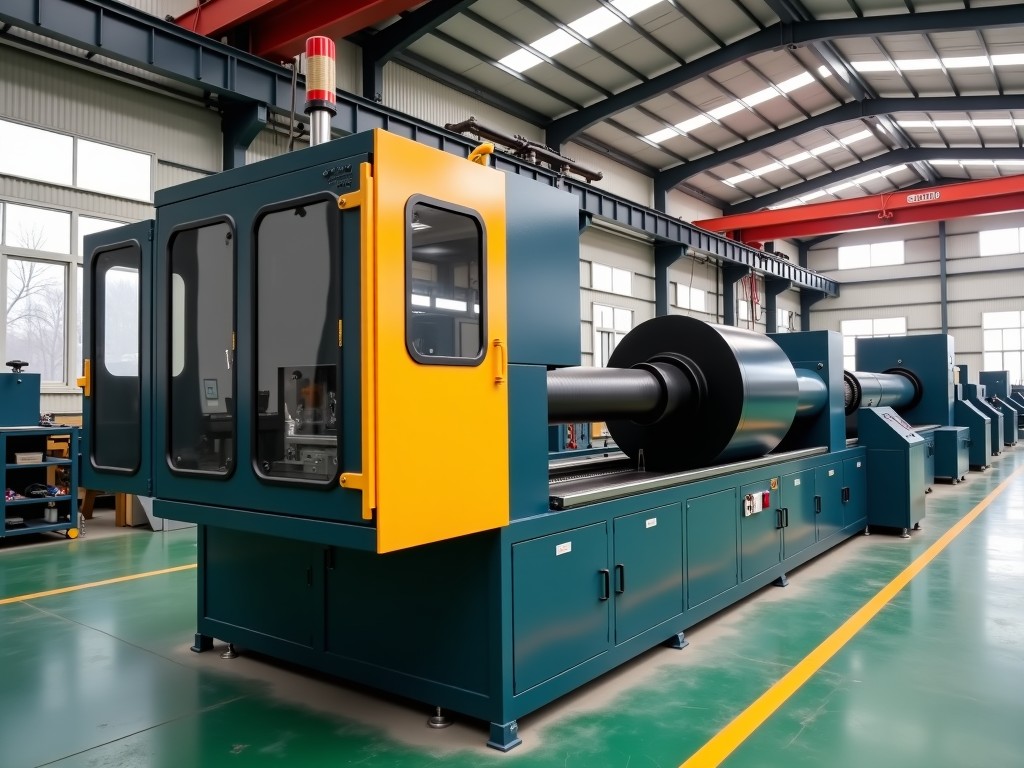
The catalogue covers every wear‑exposed zone of a cold‑chamber or hot‑chamber machine. Typical categories include shot sleeves, plunger tips, die‑locking blocks, ejector pins, guide bushings, and hydraulic seal kits. Each group is engineered to match the original equipment geometry while allowing material upgrades for harsher alloys such as magnesium or high‑silicon aluminum.
- Shot sleeves – available in H13 tool steel, 1.2344, or proprietary nitrided grades for extended thermal fatigue resistance.
- Plunger tips – offered in copper‑based alloys, beryllium‑copper, or ceramic‑coated variants to reduce soldering and improve release.
- Die‑locking blocks – machined from 42CrMo4 with induction‑hardened contact faces.
- Ejector pins and guide bushings – supplied in SKD61, 1.2343, or custom‑hardened stainless steel for corrosion‑prone environments.
- Hydraulic seal kits – Viton, HNBR, or PTFE‑based compounds matched to system pressure and temperature profiles.
Material Selection & Heat‑Treatment Logic
Material choice is driven by the specific failure mode observed in the field. For example, shot sleeves that experience rapid thermal shock benefit from a double‑tempered H13 core with a surface nitrided layer of 0.15‑0.20 mm, delivering a hardness gradient from 52 HRC at the surface to 45 HRC at 1 mm depth. Plunger tips operating with magnesium alloys often require a copper‑beryllium alloy (C17200) aged to 38‑42 HRC to combine high thermal conductivity with resistance to galling. All heat‑treatment cycles are documented and traceable to the furnace batch record.
Customization Capabilities
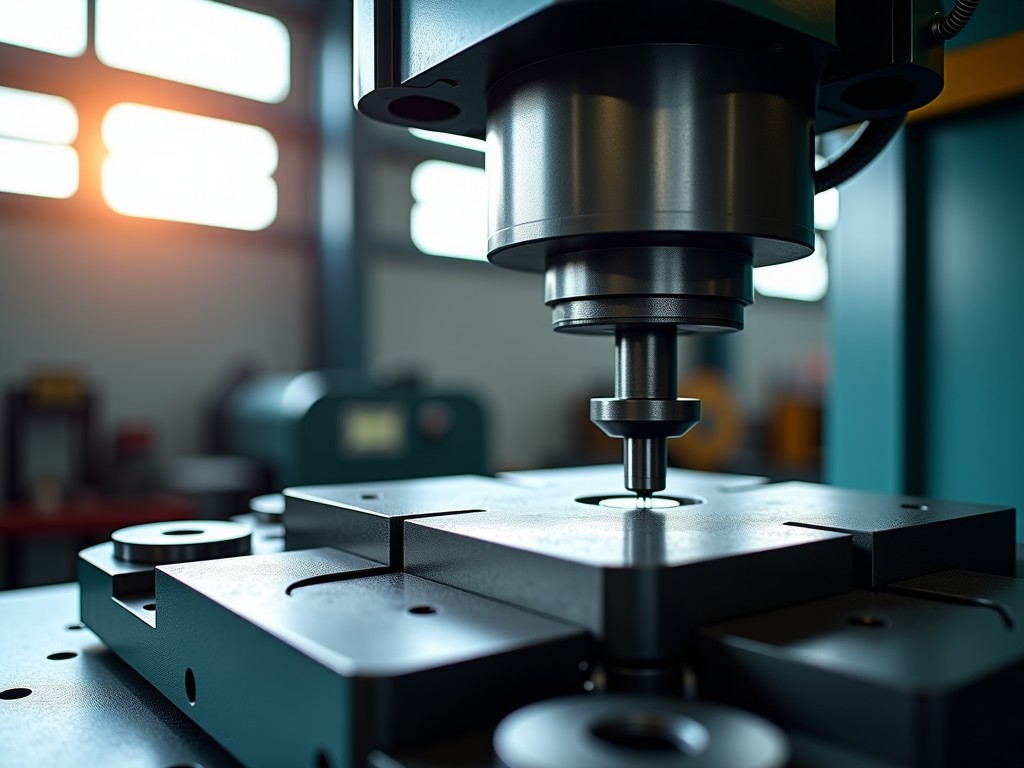
Dimensional adjustments, non‑standard thread forms, and special coating requests are handled through a parametric CAD workflow. Customers provide the OEM part number, a 2‑D drawing, or a 3‑D model; the engineering team then verifies critical tolerances — typically ±0.02 mm for bearing surfaces and ±0.05 mm for overall length — before releasing a production drawing for approval. Surface treatments such as TiAlN, DLC, or plasma‑sprayed ceramic can be added without altering the base geometry.
Quality Assurance & Inspection
Every batch undergoes a three‑stage inspection plan. First, incoming raw material is verified against mill certificates for chemistry and mechanical properties. Second, in‑process dimensional checks are performed on a coordinate‑measuring machine (CMM) with a 0.001 mm resolution, focusing on critical datum features. Third, a final functional test simulates the actual casting cycle: shot sleeves are subjected to 10 thermal cycles at 650 °C, while plunger tips endure 5 000 injection strokes at rated pressure. Non‑conforming parts are segregated and root‑cause analysis is logged in the quality management system.
Typical Technical Parameters
| Part Category | Typical Material | Heat Treatment | Tolerance Range | Lead Time (weeks) |
|---|---|---|---|---|
| Shot Sleeve | H13 / 1.2344 | Double temper + nitriding 0.15‑0.20 mm | ±0.02 mm (bore), ±0.05 mm (length) | 4‑6 |
| Plunger Tip | C17200 BeCu | Solution anneal + aging 38‑42 HRC | ±0.015 mm (diameter), ±0.03 mm (length) | 3‑5 |
| Die‑Locking Block | 42CrMo4 | Induction hardened 55‑58 HRC (surface) | ±0.02 mm (critical faces) | 5‑7 |
| Ejector Pin | SKD61 / 1.2343 | Through‑hardened 50‑52 HRC | ±0.01 mm (diameter), ±0.04 mm (length) | 3‑4 |
| Hydraulic Seal Kit | Viton / HNBR / PTFE | Per compound spec | ±0.05 mm (cross‑section) | 2‑3 |
Values shown are typical; exact specifications are confirmed per project requirement.
Application Fit – Why These Parts Perform
Automotive structural casting lines demand shot sleeves that survive >10 000 cycles without crack initiation; the nitrided H13 surface reduces thermal fatigue crack growth rates by an order of magnitude compared with untreated tool steel. In consumer‑electronics magnesium casting, the copper‑beryllium plunger tip eliminates soldering, cutting scrap rates from 3 % to <0.5 %. Heavy‑industry gear housings benefit from induction‑hardened locking blocks that maintain clamping force after 20 000 lock‑unlock cycles, preventing die shift. Each application reference is based on field data collected from partner foundries, not laboratory extrapolation.
Frequently Asked Questions
- Can dimensions be customized? Yes. Provide a drawing or 3‑D model; tolerances down to ±0.01 mm are achievable on critical features.
- What information is required before a quotation? OEM part number, material grade (or desired upgrade), annual volume, and any special coating or heat‑treatment request.
- Which materials are available? Standard grades include H13, 1.2344, 42CrMo4, SKD61, C17200, and a range of seal elastomers. Additional alloys are sourced on request.
- How is quality inspected? Three‑stage plan: material certification, in‑process CMM verification, functional thermal‑cycle or stroke test per part type.
- What packaging options exist for export? Vacuum‑sealed anti‑corrosion bags inside wooden crates with desiccant; custom crating for oversized sleeves is offered.
- Typical production lead time? 3‑7 weeks depending on part complexity and heat‑treatment schedule; expedited runs can be arranged.
- How are samples arranged? Prototype batches of 5‑10 pieces are produced after drawing approval; sample cost is credited against the first production order.
Next Steps
To receive a detailed quotation, material data sheets, or a feasibility review for a specific die casting cell, submit your requirements through the contact form. Technical engineers are available for a virtual design review within 48 hours.
Request Quotation / Technical Review