Factory Direct Zinc Alloy Die Casting Production Machine Company
The machine line is engineered for high‑pressure zinc alloy die casting, delivering repeatable cycle times from 2 s to 6 s depending on part geometry. A modular frame permits clamping forces from 150
Factory Direct Zinc Alloy Die Casting Production Machine Company
Product Overview
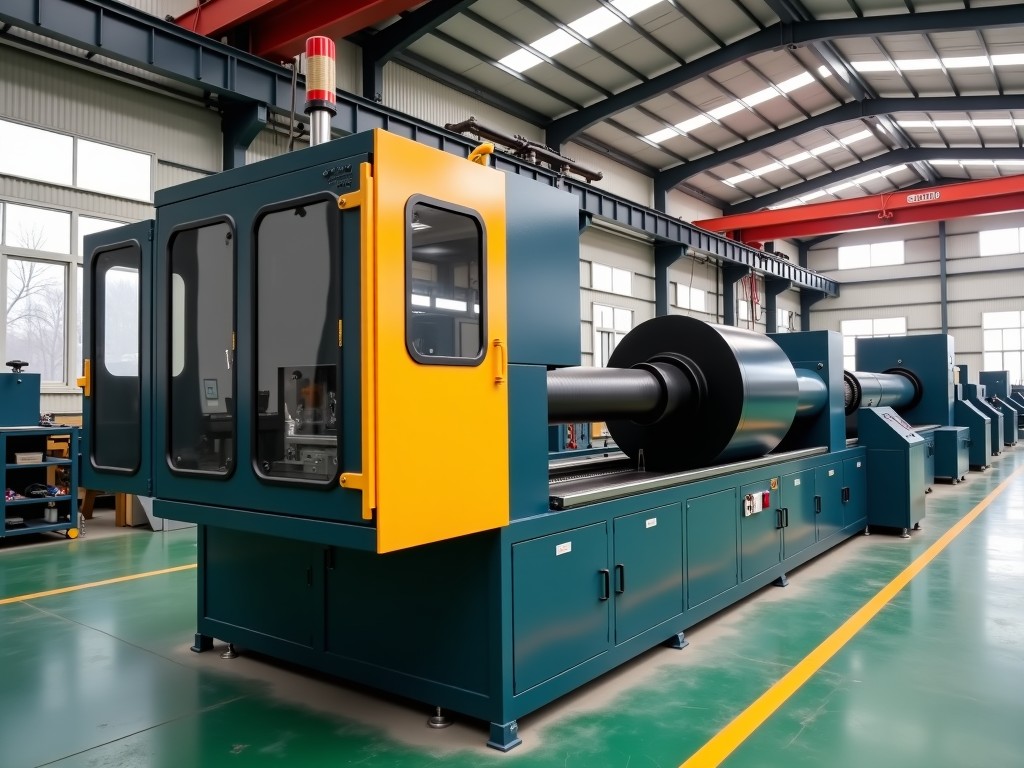
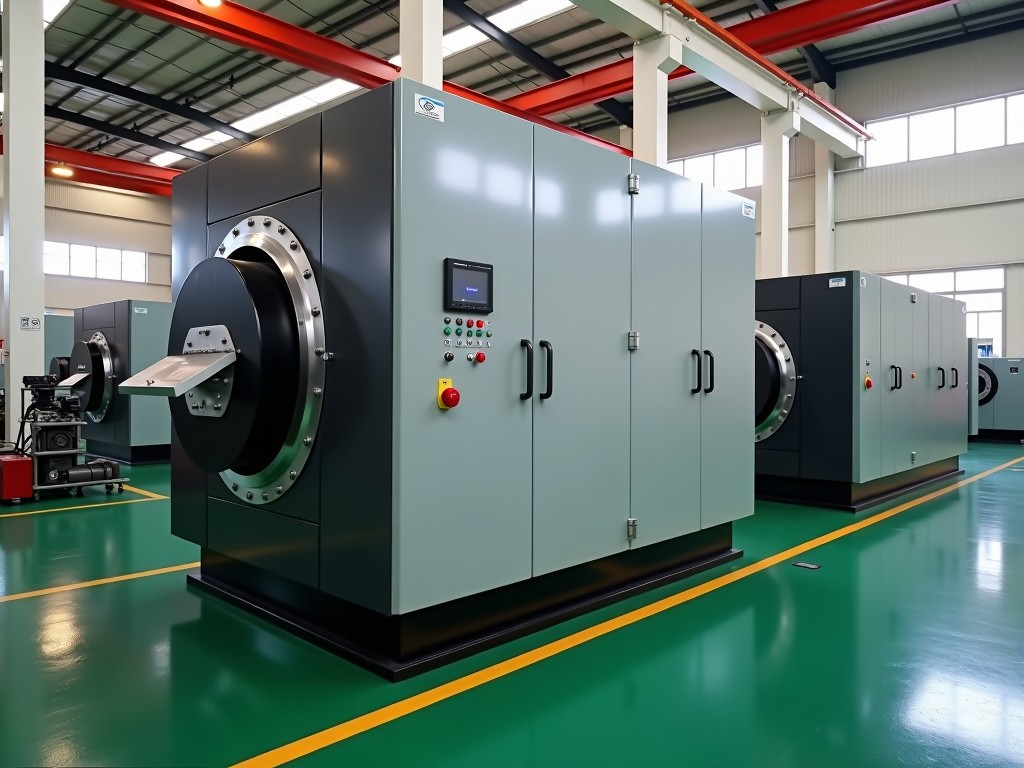
The machine line is engineered for high‑pressure zinc alloy die casting, delivering repeatable cycle times from 2 s to 6 s depending on part geometry. A modular frame permits clamping forces from 150 kN up to 5 000 kN, allowing the same platform to serve small electronic housings and large automotive brackets.
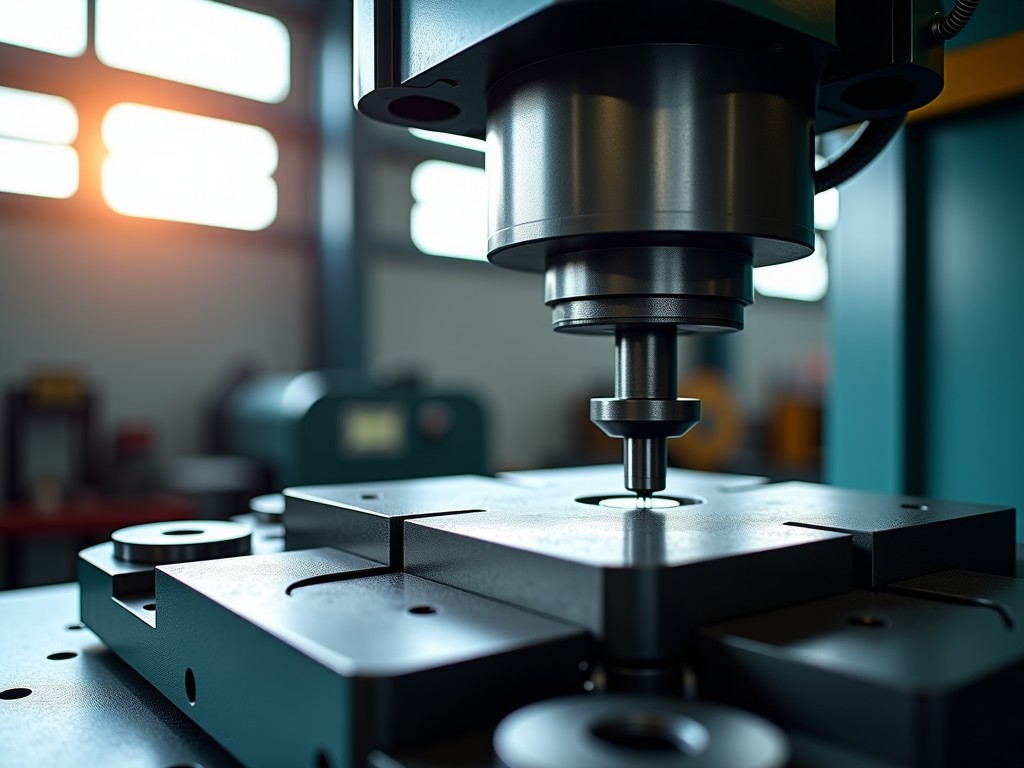
Servo‑driven injection units provide precise metal flow control, reducing porosity and flash. The integrated PLC/HMI suite supports real‑time monitoring of pressure, temperature, and shot weight, enabling quick process adjustments without mechanical changeovers.
Technical Specifications
| Parameter | Typical Value / Range | Notes |
|---|---|---|
| Clamping Force | 150–5 000 kN (customizable) | Selectable per part size |
| Injection Pressure | Up to 1 200 bar | Servo‑controlled, closed‑loop |
| Shot Weight (Zn alloy) | 0.2–12 kg | Depends on mold cavity volume |
| Cycle Time | 2–6 s (typical) | Varies with cooling requirements |
| Control System | Siemens S7‑1500 PLC + 15″ HMI | Ethernet/IP, OPC UA ready |
| Power Supply | 380 V / 50 Hz, 3‑phase | Optional 480 V / 60 Hz |
| Footprint (L×W×H) | 2.5 m × 1.8 m × 2.2 m (base model) | Expandable with auxiliary units |
Key Applications
Zinc alloy die casting excels where dimensional stability, thin‑wall capability, and surface finish are critical. The machine’s rapid cycle and precise pressure control make it a fit for the following sectors:
- Automotive – structural brackets, transmission housings, and sensor enclosures requiring high strength‑to‑weight ratios.
- Consumer Electronics – smartphone frames, connector shells, and heat‑sink housings where tight tolerances (±0.05 mm) are standard.
- Industrial Hardware – lock bodies, gear housings, and valve components that benefit from zinc’s corrosion resistance and low‑cost finishing.
- Medical Devices – instrument handles and disposable device housings needing biocompatible surface treatments.
Customization Options
Because production environments differ, the platform supports a range of configurable modules:
- Platen size and tie‑bar spacing – tailored to mold dimensions.
- Injection unit – single‑ or dual‑shot configurations for multi‑material parts.
- Cooling system – water‑cooled or oil‑cooled circuits with programmable flow rates.
- Automation interface – robot load/unload stations, conveyor integration, or vision‑guided part inspection.
- Control software – custom recipe libraries, data‑logging to MES/ERP, and remote diagnostics via VPN.
Quality Assurance & Inspection
Each machine undergoes a defined verification protocol before shipment:
- Static load test – verifies frame rigidity at 110 % of rated clamping force.
- Dynamic injection test – records pressure‑time curves for repeatability (±2 % shot weight).
- Thermal stability run – 8 h continuous operation monitoring platen temperature drift (< 3 °C).
- Control system validation – communication handshake with customer‑specified PLC/HMI.
- Documentation package – CE declaration, wiring diagrams, maintenance manual, and calibration certificates.
Packaging, Shipping & Export Protection
Machines are secured on steel‑base skids, wrapped in VCI‑treated stretch film, and placed in fumigated wooden crates compliant with ISPM‑15. Shock indicators and humidity sensors are included for sea freight. Optional container‑loading supervision can be arranged.
Frequently Asked Questions
- Can the machine dimensions be customized?
- Yes. Frame length, tie‑bar spacing, and overall height are adjustable within the modular design envelope. Provide mold outline drawings for a tailored layout.
- What information is required for a quotation?
- Typical data: annual volume, part weight, alloy grade (e.g., Zamak 3, Zamak 5), required cycle time, and any automation interface specifications.
- Which zinc alloys can be processed?
- Standard Zamak 2, 3, 5, 7 and ZA‑8 are supported. Custom alloy compositions are feasible after metallurgical review.
- How is quality inspected on incoming machines?
- Refer to the Quality Assurance section – static load, dynamic injection, thermal stability, and control validation are performed on every unit.
- What packaging options exist for export?
- Standard VCI‑wrapped crate, optional climate‑controlled container, and on‑site loading supervision.
- What is the typical production lead time?
- 6–10 weeks for a standard configuration; 12–16 weeks when extensive customization or automation integration is required.
- How are samples arranged?
- Prototype molds can be run on a test cell at our facility. Sample parts are shipped with full dimensional report and process parameters.