Custom Turnkey Cold Chamber Die Casting Production Line Supplier
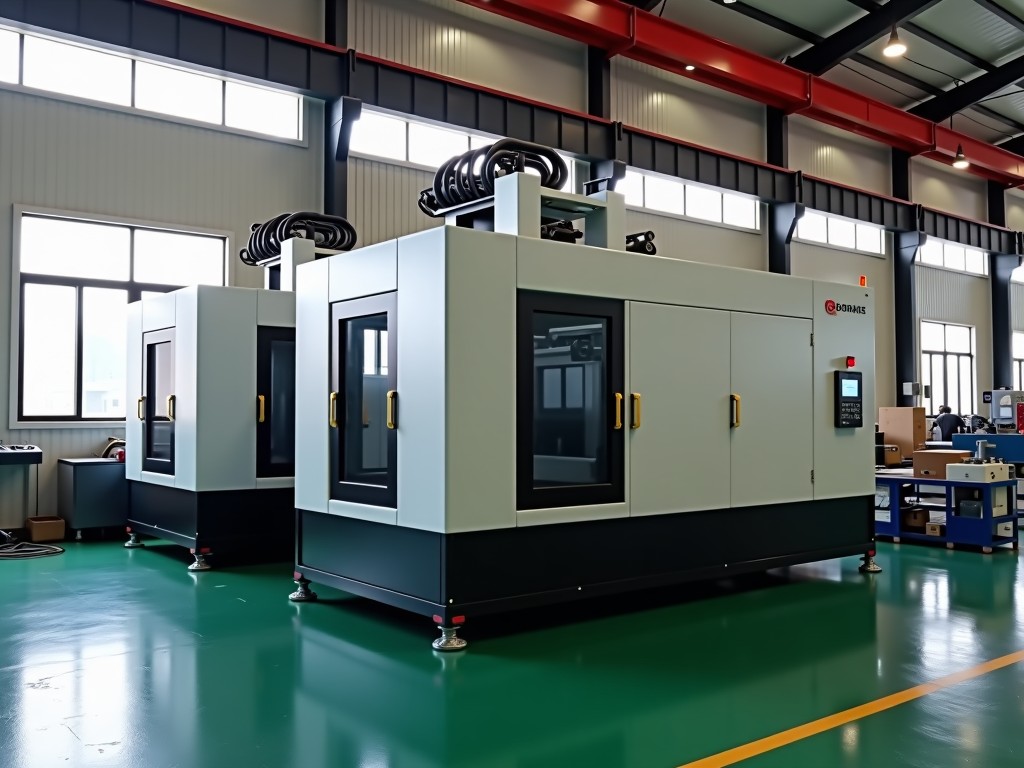
A turnkey cold‑chamber die casting line combines melting, holding, injection, and post‑cast handling into a single coordinated system. The integration reduces floor‑space requirements, shortens cycle
Custom Turnkey Cold Chamber Die Casting Production Line Supplier
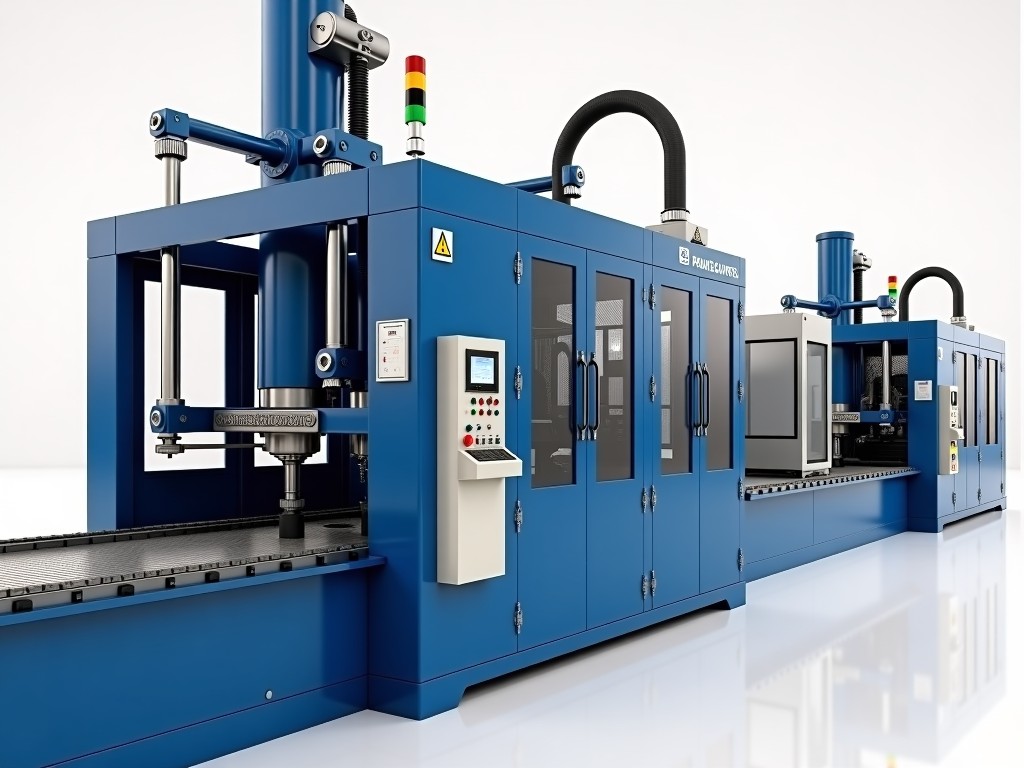
A turnkey cold‑chamber die casting line combines melting, holding, injection, and post‑cast handling into a single coordinated system. The integration reduces floor‑space requirements, shortens cycle times, and eliminates the need for multiple vendor interfaces.
Core System Architecture
The line is built around a modular frame that supports interchangeable shot sleeves, allowing quick change‑over between alloys such as aluminum A380, zinc ZA‑27, and magnesium AZ91D. Each module communicates via an industrial Ethernet backbone, enabling real‑time monitoring of melt temperature, injection pressure, and cavity fill rate.
A closed‑loop hydraulic drive provides repeatable shot velocity within ±2 % of setpoint, while a servo‑controlled die‑closing unit maintains clamp force tolerance of ±1 % across the full stroke. The control cabinet houses a PLC with IEC 61131‑3 programming, supporting both ladder logic and structured text for complex sequencing.
Typical Technical Parameters
| Parameter | Typical Range | Customization Note |
|---|---|---|
| Clamping Force | 1,200–4,500 kN | Adjustable per die size |
| Maximum Shot Weight | 0.5–12 kg | Alloy‑dependent |
| Cycle Time (dry shot) | 3.5–7.0 s | Optimizable with fast‑cool die |
| Machine Footprint (L×W×H) | 4.2 m × 2.8 m × 3.1 m | Compact layout available |
| Control Platform | Siemens S7‑1500 / Allen‑Bradley ControlLogix | Customer‑specified PLC |
Customization Options
- Shot sleeve material: H13 tool steel, copper‑alloy, or ceramic‑coated for high‑temperature alloys.
- Automated ladle or robotic pour system with programmable pour rate.
- Integrated vacuum‑assist or squeeze‑casting modules for porosity reduction.
- Die‑temperature control: oil, water, or indirect electric heating zones.
- Post‑cast handling: conveyor, robotic extractor, or trim press synchronized with cycle.
- Data acquisition package: OPC‑UA, MQTT, or proprietary historian for Industry 4.0 integration.
Application Fit
Automotive structural components such as transmission housings benefit from the high clamp force and repeatable shot velocity, delivering dimensional stability within ±0.05 mm across high‑volume runs.
Consumer‑electronics chassis require thin‑wall capability; the servo‑controlled injection profile enables wall thicknesses down to 0.8 mm without cold‑shut defects.
Industrial hardware (valve bodies, pump housings) often uses zinc alloys; the modular shot sleeve swap reduces change‑over time to under 15 minutes, supporting mixed‑model production.
Quality Assurance Philosophy
Each line ships with a calibrated pressure transducer, thermocouple array, and linear encoder traceable to national standards. First‑article inspection includes dimensional CMM scan, X‑ray porosity analysis, and mechanical property testing per ASTM B85 or EN 1706 as applicable.
Statistical process control charts are pre‑configured for key variables (injection pressure, melt temperature, cycle time) so operators can detect drift before scrap rates rise.
Lead Time, Logistics & Support
Standard configuration ships within 16–20 weeks after order confirmation; highly customized lines may extend to 28 weeks. Packaging uses steel‑frame crates with vibration‑damping foam, sealed for sea‑freight humidity control.
On‑site commissioning includes PLC program validation, safety‑circuit verification, and operator training. A 12‑month warranty covers major mechanical and electrical components; extended service contracts are available.
Frequently Asked Questions
Can the line dimensions be tailored to an existing factory layout? Yes – the modular frame allows length and width adjustments in 200 mm increments; height can be reduced for low‑clearance bays.
What information is required before a formal quotation? Target alloy, annual volume, part weight range, desired cycle time, available floor space, and preferred PLC brand.
Which melt‑holding furnace types are compatible? Both gas‑fired and electric resistance furnaces up to 1,200 kg capacity can be integrated; induction furnaces are optional for rapid alloy changes.
How is quality inspected during production? Inline sensors feed real‑time data to the historian; periodic CMM and X‑ray checks are scheduled per the customer’s PPAP plan.
What packaging methods protect the equipment for export? Steel‑frame crates, desiccant packs, VCI film, and shock‑indicator labels are standard; custom crating for oversized modules is offered.
What is the typical production lead time for a turnkey line? 16–20 weeks for standard scope; 24–28 weeks when vacuum‑assist, robotic handling, or custom PLC programming are added.
How are samples arranged for new alloys? A pilot‑run of 200–500 shots can be scheduled on a test cell; sample parts are shipped with full inspection reports.
Next Steps
Engineers ready to discuss your specific casting requirements can request a detailed specification sheet or schedule a virtual design review. Submit your project brief and a technical sales specialist will respond within one business day.
For immediate technical questions, open a consultation request and our application engineers will evaluate alloy compatibility, cycle‑time targets, and integration constraints.
A downloadable datasheet with full parameter tables is available on request. Ask for the datasheet and we will email a PDF within 24 hours.