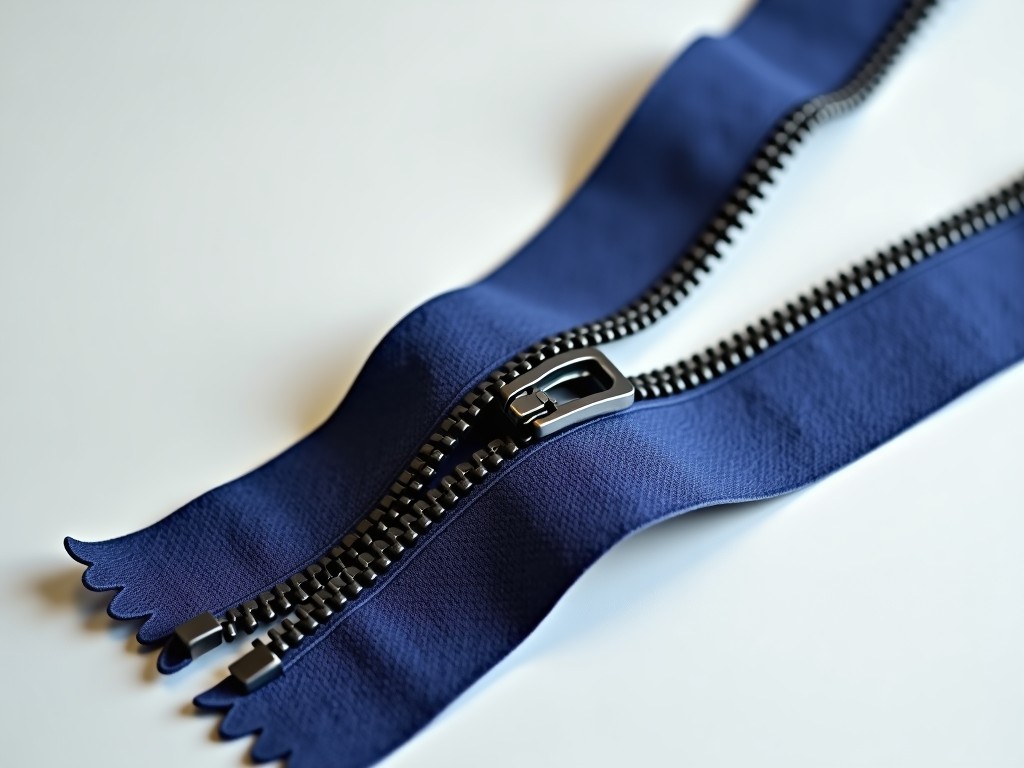
China Zipper Pin Box Machine Manufacturer
A zipper pin box machine automates the critical final assembly step where the pin and box components are attached to the zipper tape ends, forming the separation mechanism on jackets, luggage, and
Zipper Pin Box Machine | High-Speed Automatic Assembly Equipment for Metal & Nylon Zippers
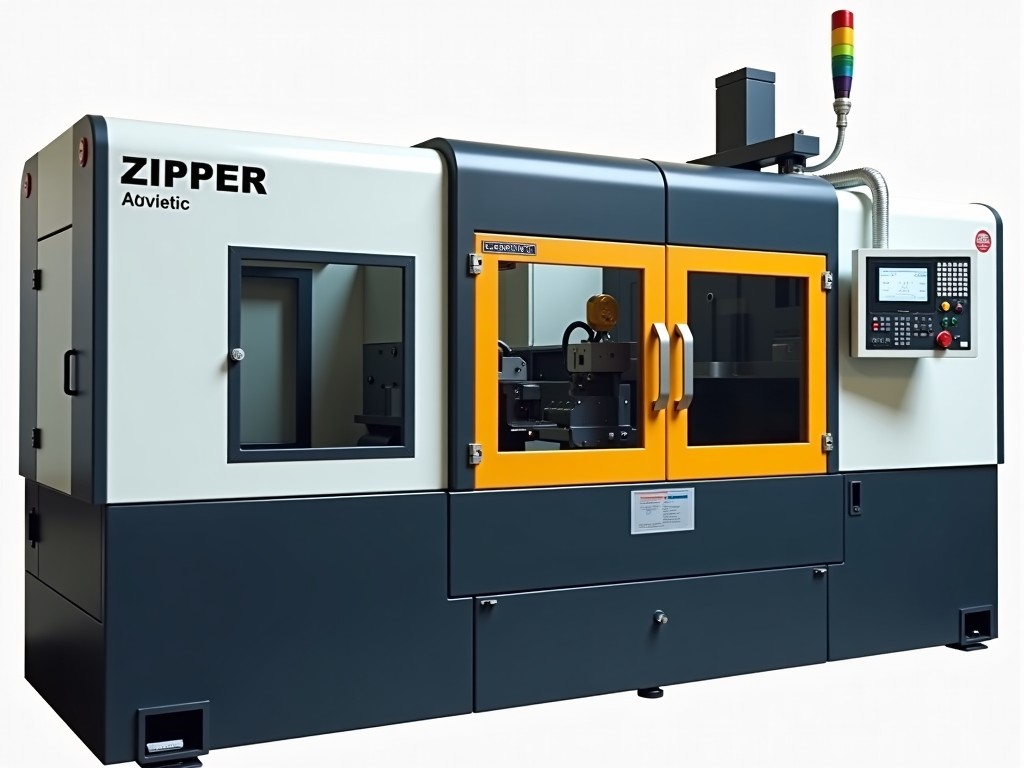
A zipper pin box machine automates the critical final assembly step where the pin and box components are attached to the zipper tape ends, forming the separation mechanism on jackets, luggage, and industrial closures. Unlike semi-automatic presses that rely on operator timing, these systems integrate vibratory bowl feeders, precision indexing dials, and servo-driven pressing stations to achieve consistent crimp force and positional accuracy across millions of cycles.
Manufacturers evaluating this equipment typically face a trade-off between throughput speed and changeover flexibility. Machines designed for high-volume metal zipper production (e.g., #5 brass jean zippers) prioritize minimal cycle time — often under 1.2 seconds per piece — using hardened tool steel dies and pneumatic-hydraulic boosters. Lines producing nylon coil zippers with plastic pins require gentler clamping and heated insertion heads to prevent tape scorching. Understanding the specific zipper gauge (#3, #5, #8, #10), material (metal, nylon, invisible), and pin/box profile (standard, anti-slip, injection-molded) determines the optimal machine configuration.
Technical Specifications (Typical Configuration)
| Parameter | Typical Range / Value | Notes |
|---|---|---|
| Applicable Zipper Type | Metal (#3–#10), Nylon Coil, Invisible, Plastic Molded | Die set changeover required per gauge |
| Production Speed | 60–120 pcs/min (single head); 200+ pcs/min (multi-head rotary) | Depends on feeding stability & crimp verification |
| Crimp Force Control | Servo-electric or Pneumatic-Hydraulic (2–15 kN adjustable) | Force-displacement curve monitoring available |
| Positional Accuracy | ±0.05 mm (pin/box alignment to tape edge) | Vision inspection optional for ±0.02 mm |
| Feeding System | Vibratory bowl (pins/boxes) + Servo tape index (tape) | Centrifugal feeder for delicate plastic pins |
| Control Platform | PLC (Mitsubishi / Siemens / Delta) + HMI 10–15 inch | Supports Modbus/TCP, OPC UA for MES integration |
| Power Supply | 3-phase 380V / 220V / 415V ±10%, 50/60 Hz (customizable) | Transformer included for non-standard voltages |
| Compressed Air | 0.5–0.7 MPa, 150–300 L/min (dry, filtered) | Air consumption scales with number of pressing heads |
| Machine Footprint (L×W×H) | ~1,800 × 1,200 × 1,900 mm (single head) | Inline configurations extend length proportionally |
| Net Weight | Approx. 1,200–2,500 kg | Cast iron base frame for vibration damping |
Core Engineering Features
The pressing station determines final joint integrity. Servo-electric presses provide programmable force profiles — ramp up, dwell, controlled release — which is essential when crimping brass pins onto thick tape where work hardening varies batch to batch. Pneumatic-hydraulic boosters deliver higher peak force in a smaller envelope but require regular seal maintenance. Both types integrate load cells sampling at 2 kHz, enabling real-time pass/fail judgment based on the force-displacement signature rather than simple position control.
Feeding reliability separates sustained OEE above 90% from chronic stoppages. Vibratory bowls for metal components use polyurethane-coated tracks and variable frequency controllers to prevent part overlapping. For plastic injection-molded pins and boxes, centrifugal feeders with air-assisted orientation reduce surface marring. Tape indexing employs servo-driven pinch rollers with optical registration marks printed during the weaving stage; this eliminates cumulative pitch error that plagues stepper-based systems after 50,000 cycles.
- Quick-change die cartridges: Tooling sets lock via tapered dowels and pneumatic clamps; changeover between #5 and #8 metal zippers completes in under 15 minutes without shimming.
- Integrated crimp height inspection: Laser displacement sensor measures each crimp post-press; out-of-tolerance parts divert to reject chute without stopping production.
- Missing component detection: Through-beam sensors verify pin/box presence in nest before tape advances; prevents empty crimps and tool damage.
- Recipe management: 200+ parameter sets stored locally; USB/CF card backup enables rapid replication across multiple machines in a factory.
Application Context: Why Machine Selection Differs by End Use
Garment zipper lines producing 50,000 pieces per day for fast fashion prioritize raw speed and minimal labor. A rotary multi-head machine with 8 stations running at 100 ppm per head delivers 48,000 units per 8-hour shift with one operator loading tape reels. The same factory making technical outdoor jackets with waterproof zippers (#8 coil, welded tape) needs heated insertion heads (120–160 °C) to bond thermoplastic pins without adhesive, plus vision verification that the sealing lip remains undamaged.
Luggage and military gear manufacturers run smaller batches — 5,000 to 10,000 pieces per SKU — across diverse zipper gauges. Here, changeover time dominates total cost. Machines with cartridge-style tooling and servo-adjusted feeder bowls allow a single technician to switch from #10 brass antique brass to #5 nickel in 20 minutes. Automotive seating suppliers add traceability requirements: each crimp's force curve, timestamp, and operator ID upload to a central database via OPC UA, satisfying PPAP Level 3 documentation.
Customization & Integration Options
Standard catalog models cover 80% of zipper assembly needs. The remaining 20% — non-standard pin geometries, dual-pin configurations for double-separating zippers, or integration into existing tape slitting lines — require engineering collaboration. Typical customization requests include:
- Left-hand / right-hand pin orientation on the same machine via motorized flipper module.
- Inline tape cutting and end-sealing (ultrasonic or hot knife) before pin/box attachment.
- Custom HMI language packs (Arabic, Thai, Vietnamese, Portuguese) with RTL support.
- CE/UKCA/UL compliant electrical cabinets with light curtains and safety-rated PLC (Cat. 3 PL d).
- Automated tape reel splicing unit for continuous 24/7 operation without operator intervention.
Quality Assurance & Acceptance Testing
Every machine undergoes a 48-hour run-in at the factory before shipment. The test protocol uses the buyer's actual zipper tape and pin/box samples whenever provided; otherwise, representative #5 brass and #5 nylon materials are used. Key acceptance criteria include:
- Crimp pull strength ≥ 90 N (metal) / ≥ 60 N (nylon) per relevant YKK/ISO 12947 internal standards.
- Dimensional consistency: pin/box offset ≤ 0.1 mm across 1,000 consecutive pieces.
- Zero missed feeds or double-feeds during 10,000-cycle endurance run.
- HMI alarm log review confirming all safety interlocks function correctly.
A full inspection report with force-curve screenshots, dimensional sampling data, and electrical compliance certificates (where applicable) ships with the machine. Remote video FAT (Factory Acceptance Test) is available for overseas buyers unable to visit the workshop.
Packaging, Shipping & Installation Support
Machines are secured on fumigated plywood pallets (ISPM-15 compliant), wrapped in VCI anti-corrosion film, and enclosed in seaworthy export wooden cases with shock-absorbing foam corners. Critical axes (servo motors, linear guides, HMI) receive additional vibration-damping mounts. A standard 20-foot container accommodates one single-head unit with spare parts crate; 40-foot HQ handles two units or one inline system.
Installation options include: (1) Detailed English/Chinese manual with 3D exploded views and wiring diagrams for self-commissioning by buyer's maintenance team; (2) Remote video guidance (8–16 hours typical) covering leveling, air/electric hookup, recipe loading, and first-article validation; (3) On-site commissioning by a field engineer (travel + daily rate) for complex integrations or buyer preference. Spare parts kits — feeder bowls, die springs, sensors, seals — are quoted per machine based on recommended 2-year consumption.
Frequently Asked Questions
Can the machine handle both metal and nylon zippers on the same line?
Yes, with a quick-change die cartridge and feeder bowl swap. Metal pins require higher crimp force and no heat; nylon pins often need heated insertion. The HMI stores separate recipes for each. Changeover takes 15–25 minutes. Dual-feeder configurations (two bowls, pneumatic selector) allow switching without physical bowl replacement, reducing changeover to under 5 minutes.
What information is needed for an accurate quotation?
Provide: (1) Zipper gauge and type (metal/nylon/invisible) with physical samples or detailed drawings of pin/box. (2) Target daily output and shift pattern. (3) Tape width, thickness, and whether registration marks exist. (4) Local voltage/phase/frequency. (5) Preferred control brand (Mitsubishi, Siemens, Delta) and communication protocol needs. (6) Floor space constraints or inline integration requirements.
How is crimp quality verified without destructive testing every piece?
In-process force-displacement monitoring creates a signature curve for each crimp. The PLC compares real-time curve against a taught "golden sample" envelope (window method). Deviations beyond ±5% force or ±0.03 mm displacement trigger immediate reject. Statistical sampling (every 50th piece) for pull-test validation correlates with in-process data, reducing destructive testing by 95% while maintaining Cpk > 1.33.
What is the typical production lead time after order confirmation?
Standard single-head machines: 45–60 calendar days. Multi-head rotary or heavily customized inline systems: 75–100 days. Lead time includes design verification, procurement of long-lead components (servo motors, PLC), assembly, 48-hour run-in, and packaging. Expedited builds (30 days) are occasionally possible for standard configurations with in-stock major components — inquire for current availability.
Are spare parts and technical support available long-term?
Mechanical components (die sets, feeder tooling, linear guides) are manufactured in-house or sourced from traceable suppliers with 10+ year availability commitments. Electrical components use standard industrial brands (Mitsubishi, Schneider, SMC, Omron) stocked globally. Remote diagnostics via VPN/TeamViewer on the HMI PLC is included for 12 months. On-site training for maintenance staff (2–3 days) is recommended during commissioning.
Can you supply sample pins/boxes produced on the machine before purchase?
Yes. Send 5–10 meters of your zipper tape and 200 pieces each of pins/boxes. We will run samples on a comparable machine, record force curves, measure crimp dimensions, and ship the assembled samples back with a test report. This validates feasibility before capital commitment. Sample testing is free; buyer covers express shipping both ways.
Request Technical Consultation & Quotation
Share your zipper specifications, volume targets, and integration requirements. Our application engineers will respond within 24 hours with a preliminary layout, cycle time analysis, and budgetary pricing.
Submit Inquiry →