China Precision Servo Cold Chamber Die Casting Machine Company
A cold‑chamber die casting machine equipped with a servo‑driven injection system delivers repeatable metal flow without the pressure fluctuations common in hydraulic units. The servo motor controls
Precision Servo Cold Chamber Die Casting Machines
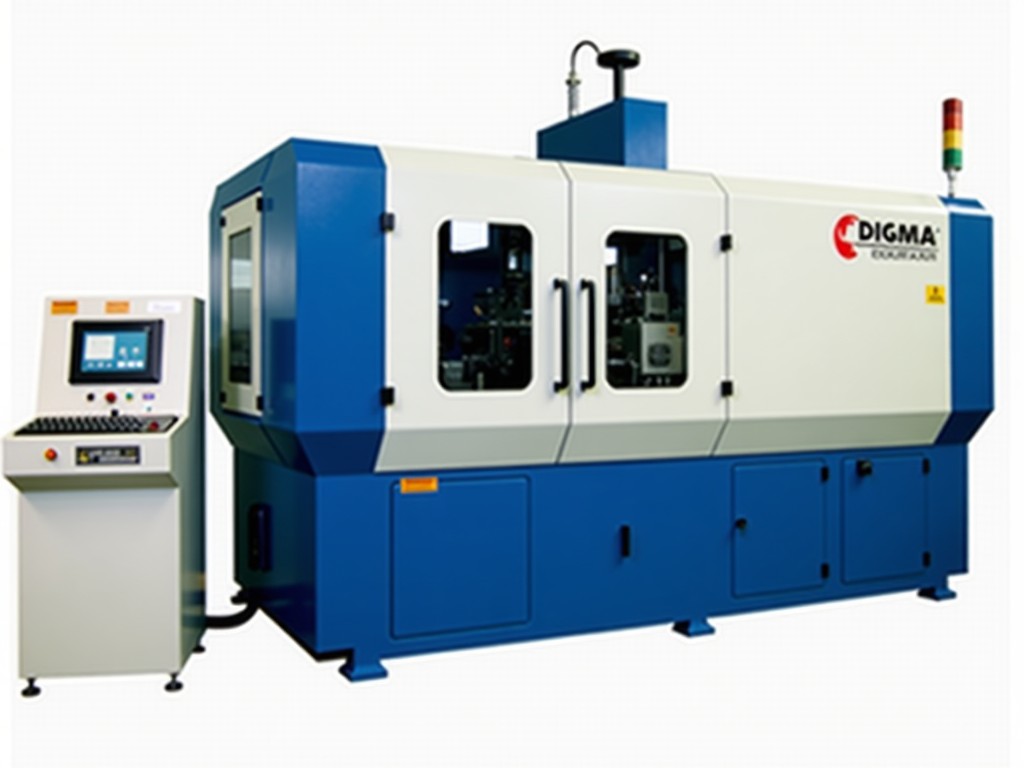
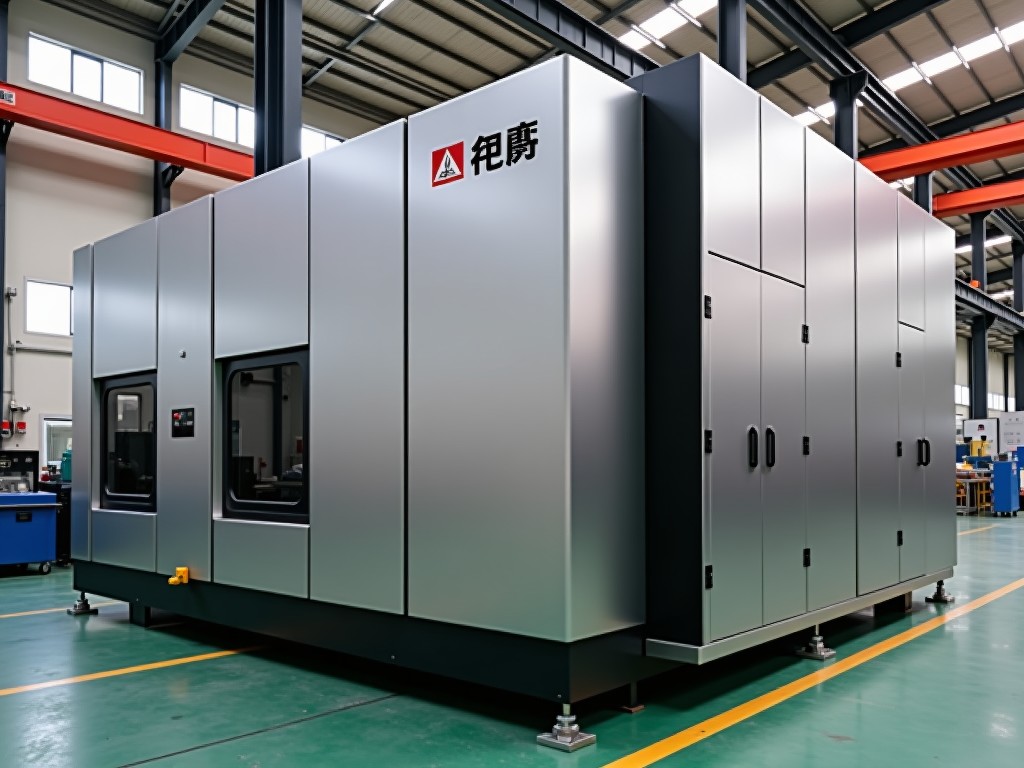
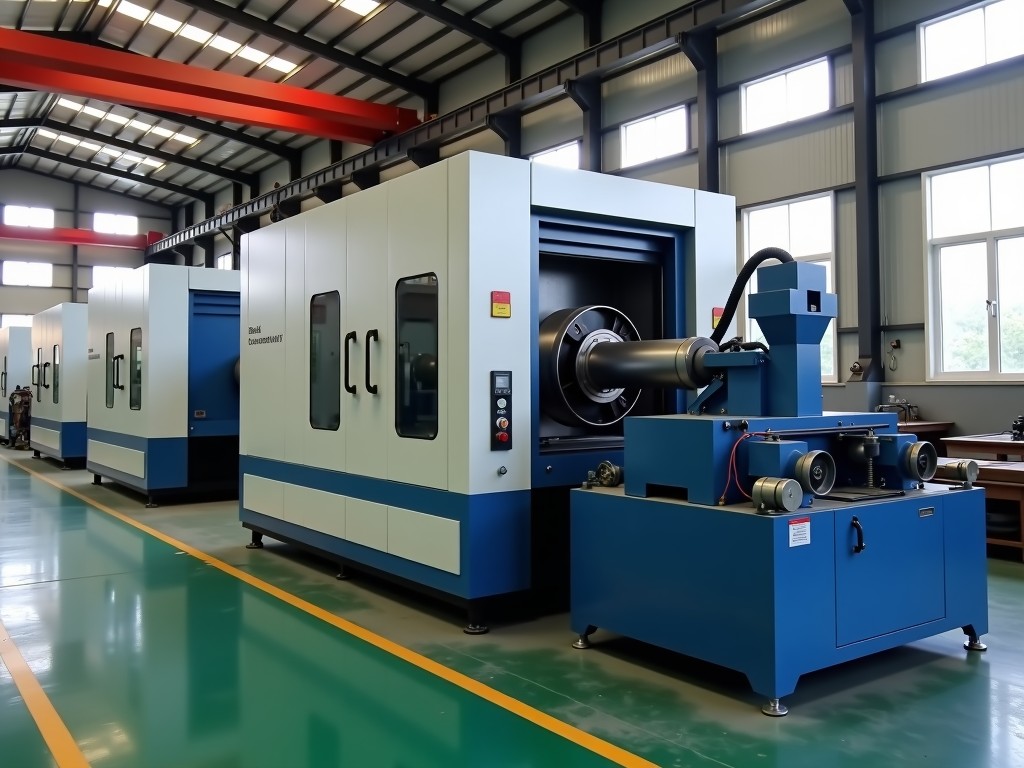
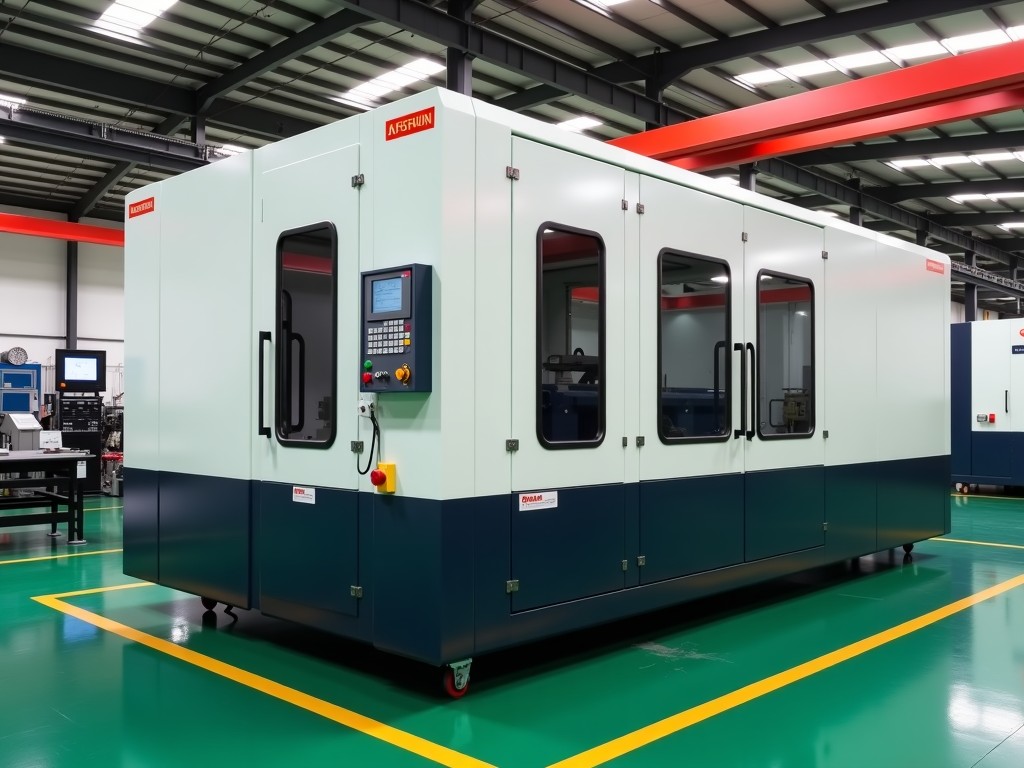
A cold‑chamber die casting machine equipped with a servo‑driven injection system delivers repeatable metal flow without the pressure fluctuations common in hydraulic units. The servo motor controls plunger velocity and position in closed loop, enabling precise shot‑weight control for alloys such as aluminum, magnesium, and zinc.
Because the injection energy is generated electrically, the machine consumes power only during the actual injection stroke, reducing standby energy draw by up to 60 % compared with a comparable hydraulic press. This characteristic is especially valuable in high‑volume production where cycle time and energy cost dominate total cost of ownership.
Key Technical Characteristics
| Parameter | Typical Value (customizable) |
|---|---|
| Clamping force | 1,200 kN – 4,500 kN |
| Maximum shot weight (Al) | 0.8 kg – 12 kg |
| Injection pressure (peak) | 150 MPa – 350 MPa |
| Servo motor rated power | 30 kW – 120 kW |
| Dry cycle time (typical) | 2.5 s – 5.0 s |
| Control platform | PLC + HMI, EtherCAT / Profinet optional |
| Overall dimensions (L×W×H) | 3,200 mm × 1,800 mm × 2,400 mm (varies with tonnage) |
| Machine weight | 12 t – 38 t |
Servo Drive Advantages Over Hydraulic Systems
Closed‑loop position control eliminates the pressure overshoot that causes flash and dimensional variation in hydraulic machines. The servo’s torque curve is flat across the speed range, so the plunger can follow complex velocity profiles — slow fill, fast pack, controlled intensification — without mechanical valve lag.
Maintenance intervals extend because there are no hydraulic pumps, valves, or oil filtration circuits. Oil‑free operation also removes the risk of contamination in clean‑room or food‑grade casting environments.
Typical Applications and Industry Fit
- Automotive structural components – high‑strength aluminum brackets benefit from the repeatable shot weight that keeps wall thickness within ±0.05 mm.
- Electronics housings – magnesium alloy parts require fast, low‑turbulence filling to avoid porosity; servo profiles provide the needed flow control.
- Medical device enclosures – oil‑free operation satisfies stringent cleanliness standards.
- Industrial hardware (gear housings, pump bodies) – zinc alloys with thin walls gain dimensional stability from the precise intensification phase.
Customization Options
- Clamping force and shot weight scaled to part geometry.
- Choice of servo motor brand (Siemens, Mitsubishi, Delta) and drive topology.
- Integration with robotics, conveyor feed, or in‑line vision inspection.
- Safety packages: light curtains, safety PLC, emergency stop per ISO 13849‑1.
- Control interface: standard HMI, OPC‑UA server, or custom SCADA tags.
Quality Assurance and Inspection
Each machine undergoes a three‑stage verification before shipment: (1) geometric inspection of the platen and tie‑bar alignment using laser trackers; (2) functional test of the servo loop — step response, position repeatability, and pressure curve fidelity — recorded on a data logger; (3) a 200‑cycle endurance run at rated load with temperature monitoring of the servo motor and drive cabinet. Test reports are supplied with the equipment dossier.
Lead Time, Packaging, and Shipping
Standard configuration machines are typically ready for dispatch within 8‑10 weeks after order confirmation; customized units add 2‑4 weeks depending on the extent of mechanical changes. Units are secured on steel skids, wrapped in VCI‑treated film, and braced for sea‑freight container loading. Shock‑watch indicators and humidity sensors are installed inside the crate for transit monitoring.
Frequently Asked Questions
Q: Can the clamping force be customized beyond the listed range? A: Yes, the frame design allows scaling up to 6,000 kN with reinforced tie‑bars; contact engineering for a feasibility study.
Q: What information is needed for a quotation? A: Part drawing or 3D model, alloy type, annual volume, required cycle time, and any automation interface specifications.
Q: Which servo brands are supported? A: The control cabinet is pre‑wired for Siemens SINAMICS, Mitsubishi MELSERVO, and Delta ASDA series; other brands can be accommodated with a custom drive adapter.
Q: How is machine installation supported? A: On‑site commissioning by a field engineer is included for the first 3 days; remote diagnostics via VPN are available for the warranty period.
Q: What warranty terms apply? A: 12 months or 2,000 operating hours, whichever occurs first, covering servo drive, PLC, and structural components.