China Hot Chamber Die Casting Machine For Zinc Alloy Company
Hot chamber die casting machines are the standard equipment for high‑volume zinc alloy production because the molten metal reservoir stays heated, eliminating the need for a separate ladle and
China Hot Chamber Die Casting Machine for Zinc Alloy
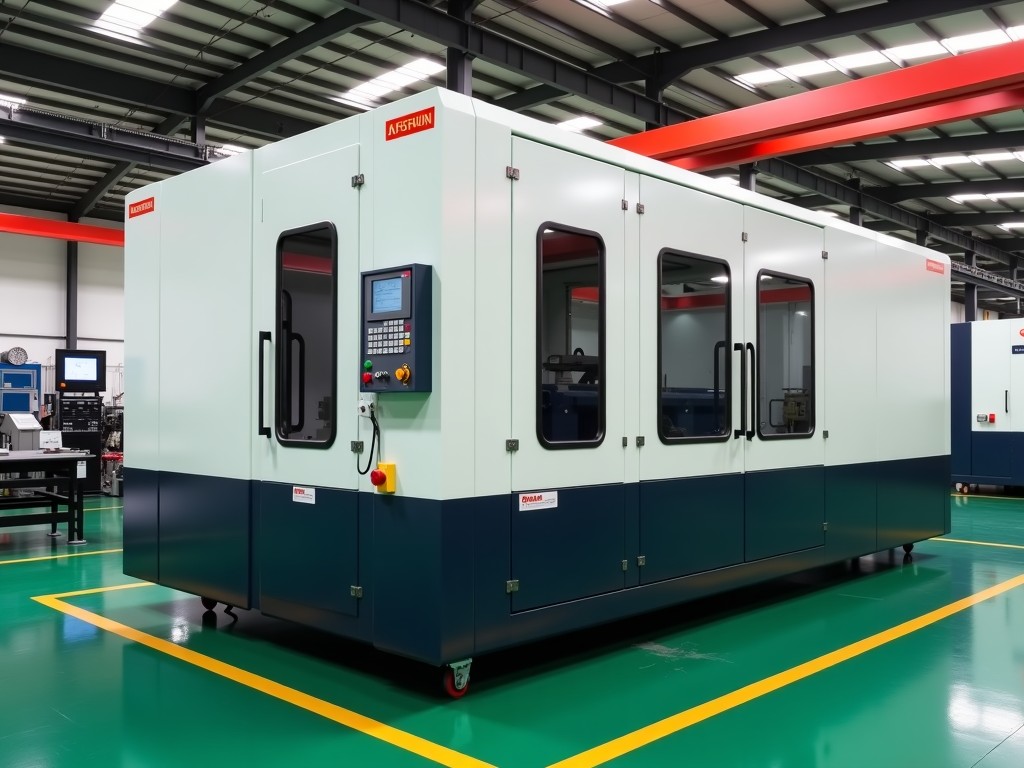
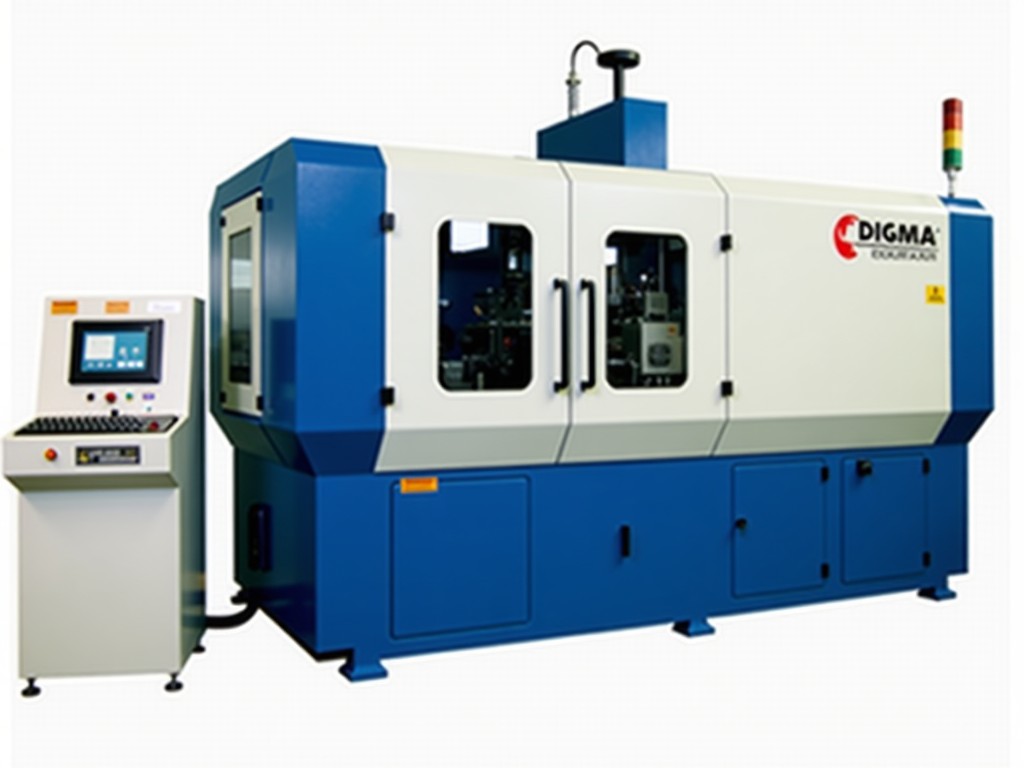
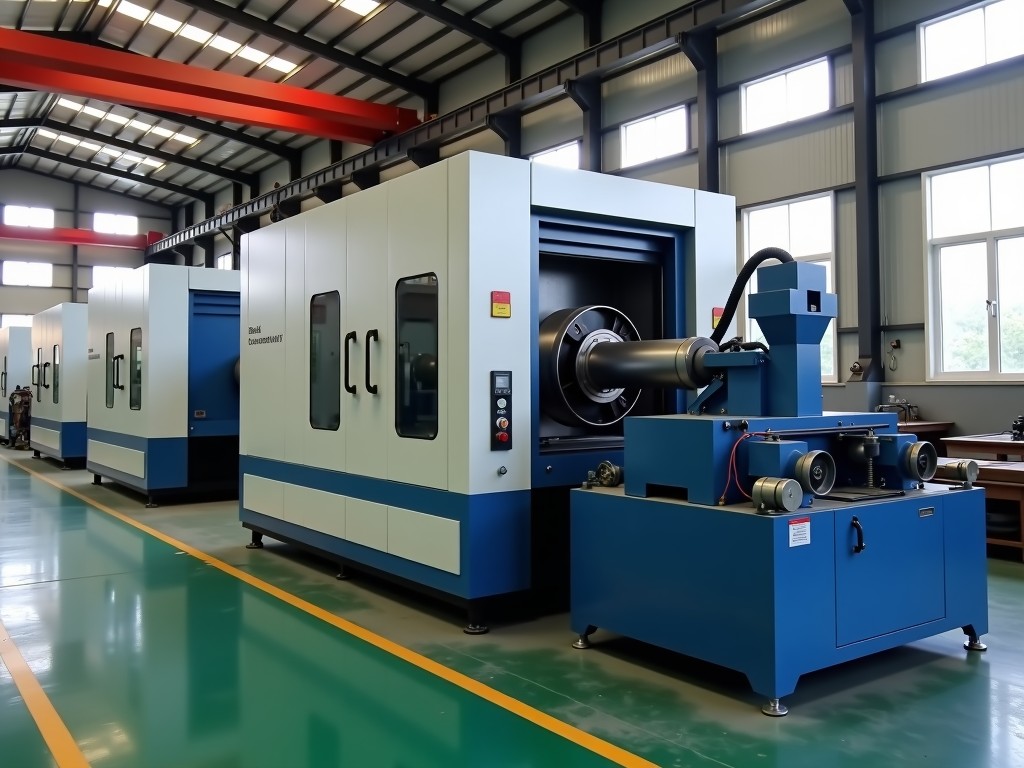
Hot chamber die casting machines are the standard equipment for high‑volume zinc alloy production because the molten metal reservoir stays heated, eliminating the need for a separate ladle and reducing cycle time.
Chinese manufacturers typically offer clamping forces ranging from 120 kN for small components up to 2500 kN for large structural parts, with shot weights adjustable between 0.05 kg and 12 kg depending on the model.
A typical configuration includes a hydraulically driven injection system capable of 150–300 MPa peak pressure, a programmable PLC controller with closed‑loop temperature regulation for the gooseneck, and an integrated safety interlock that meets CE and GB standards.
Technical Specifications
| Parameter | Typical Value (Customizable) |
|---|---|
| Clamping Force | 120 kN – 2500 kN |
| Maximum Shot Weight | 0.05 kg – 12 kg |
| Injection Pressure (peak) | 150 MPa – 300 MPa |
| Cycle Time (dry shot) | 1.5 s – 4.0 s |
| Motor Power | 15 kW – 110 kW |
| Overall Dimensions (L×W×H) | 2.2 m × 1.1 m × 2.0 m – 5.5 m × 2.2 m × 3.0 m |
| Machine Weight | 3 t – 28 t |
Key Engineering Features
The gooseneck and furnace are machined from high‑thermal‑conductivity copper alloy, providing uniform temperature distribution and reducing soldering of zinc to the injection sleeve.
A servo‑hydraulic injection unit delivers repeatable shot velocity profiles; the control system stores up to 99 preset programs, allowing quick changeover between part families.
- Closed‑loop melt temperature control ±2 °C
- Automatic lubrication of the plunger and shot sleeve
- Real‑time injection pressure and position monitoring via Ethernet/IP
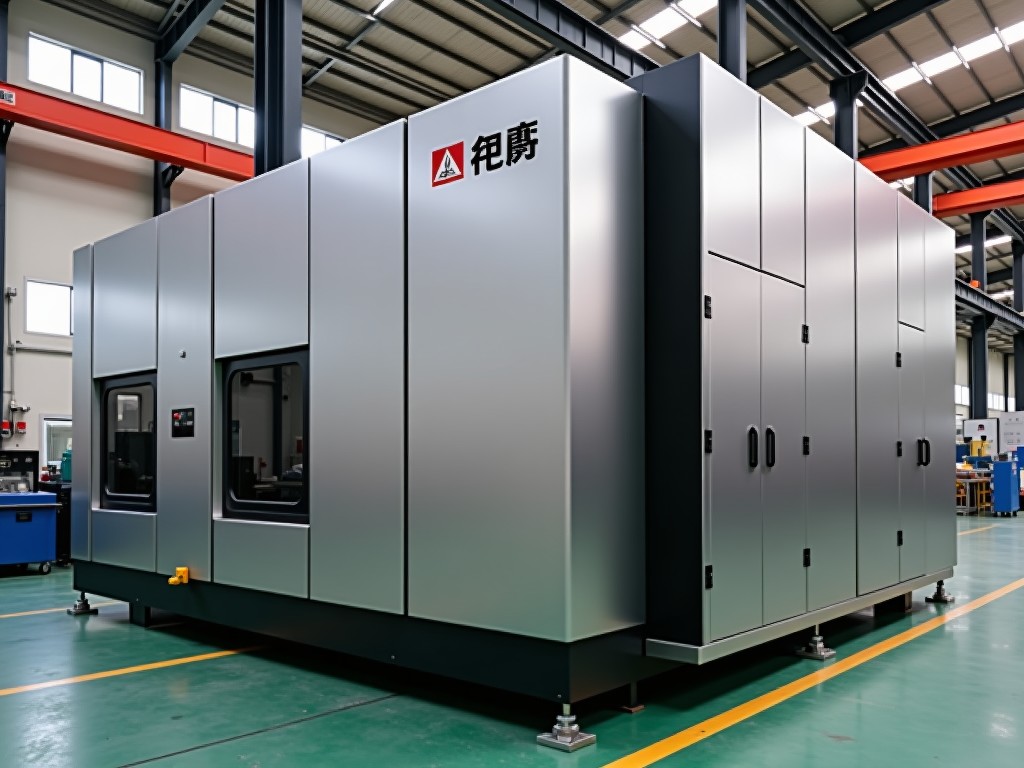
- Modular frame design for easy transport and foundation adaptation
These features collectively lower scrap rates, shorten set‑up time, and extend the service life of consumable components such as the gooseneck and plunger tip.
Typical Applications and Suitability
Zinc alloy die castings are prevalent in automotive electronics housings, hardware fittings, and consumer‑goods enclosures because of their excellent dimensional stability and surface finish.
The hot chamber process eliminates the need for a separate melting furnace, making it ideal for high‑mix, medium‑volume runs where changeover speed outweighs the higher tooling cost of cold chamber machines.
Machines in the 500–1500 kN range are commonly selected for connector bodies, bracket assemblies, and decorative trim parts, while the 2000 kN+ class handles larger structural components such as transmission housings.
Customization Options
- Clamping force and shot weight tailored to part geometry
- Choice of PLC platform (Siemens, Mitsubishi, or domestic brands)
- Optional robotic extraction interface and conveyor integration
- Enhanced furnace insulation for energy‑sensitive facilities
- CE, UL, or GB certification packages per export market
Quality Assurance and Inspection
Each machine undergoes a factory acceptance test (FAT) that includes dry‑run cycle verification, injection pressure repeatability within ±1 %, and temperature stability over a 4‑hour soak.
Critical components — gooseneck, plunger tip, and hydraulic seals — are inspected to ISO 2768‑m tolerances and supplied with material certificates.
A one‑year warranty covers mechanical and electrical defects; extended service contracts are available for preventive maintenance and spare‑parts stocking.
Frequently Asked Questions
- Can the clamping force be increased after purchase?
- The frame is designed for a specific force range; upgrading requires a new frame and hydraulic system, so it is more practical to select the correct rating at order time.
- What information is needed for a quotation?
- Typical data include part weight, projected annual volume, alloy grade (e.g., Zamak 3, Zamak 5), required cycle time, and any automation interfaces.
- Which zinc alloys can be processed?
- Standard Zamak series (2, 3, 5, 7) and ZA‑8/27 are supported; custom alloy melting points up to 420 °C can be accommodated with furnace adjustments.
- How is shipment protected for export?
- Machines are secured on steel skids, wrapped in VCI film, and placed in fumigated wooden crates meeting ISPM‑15; shock indicators are attached for transit monitoring.
- What is the typical production lead time?
- Standard models ship within 8–12 weeks after order confirmation; customized configurations may require 14–18 weeks.