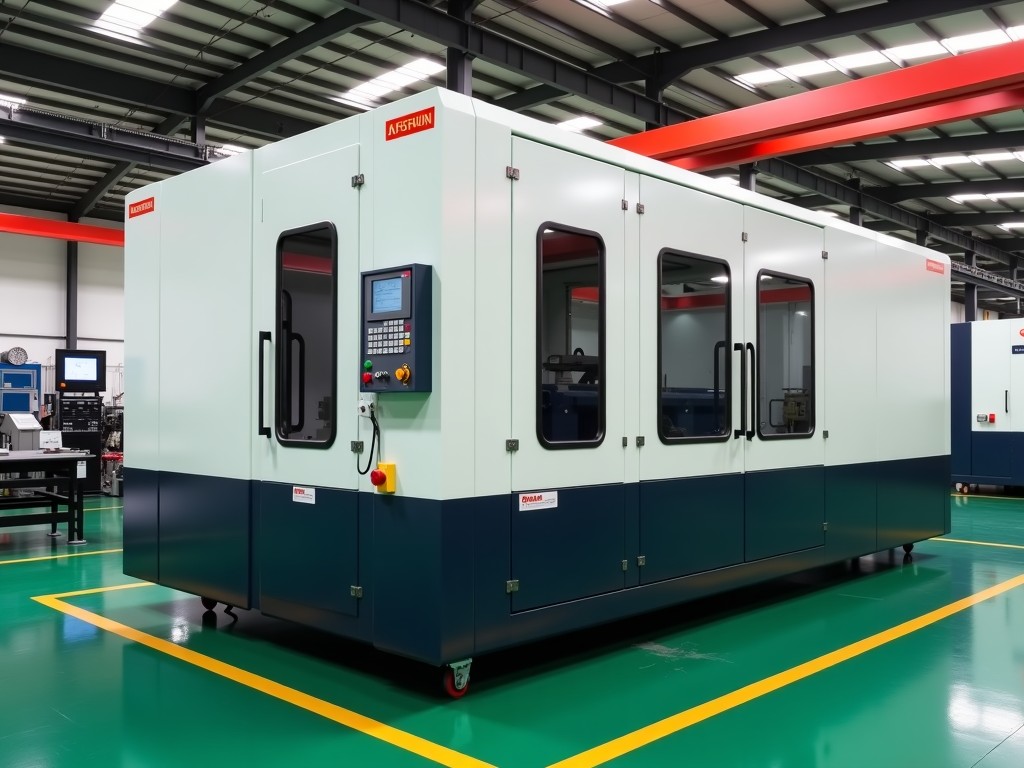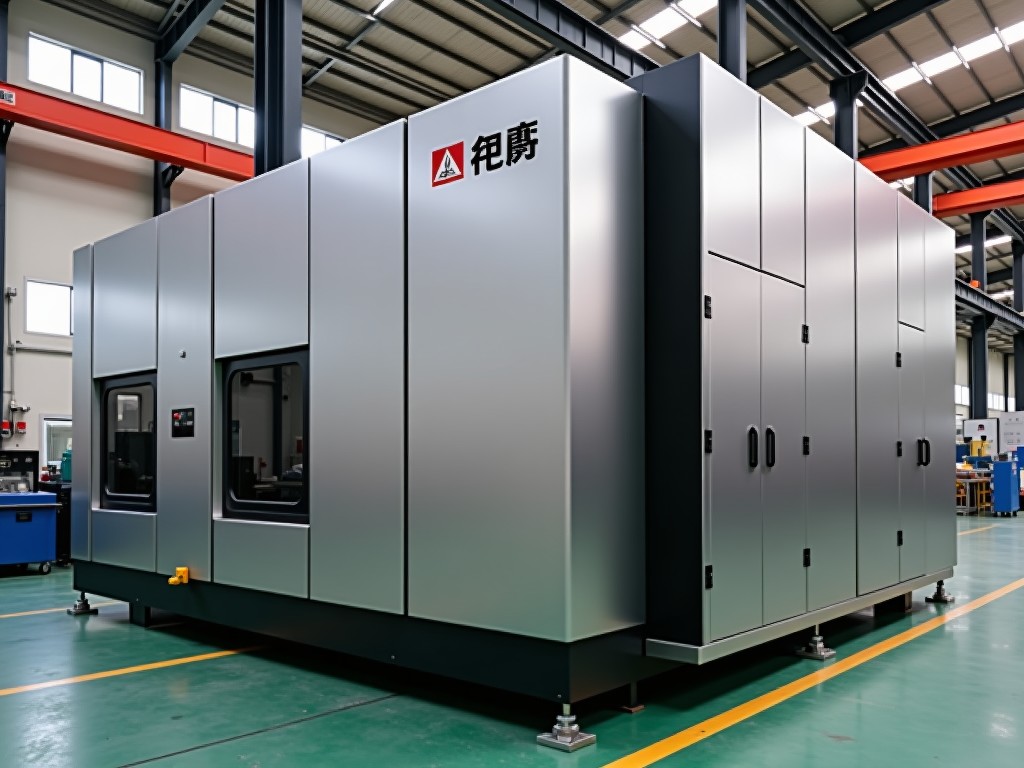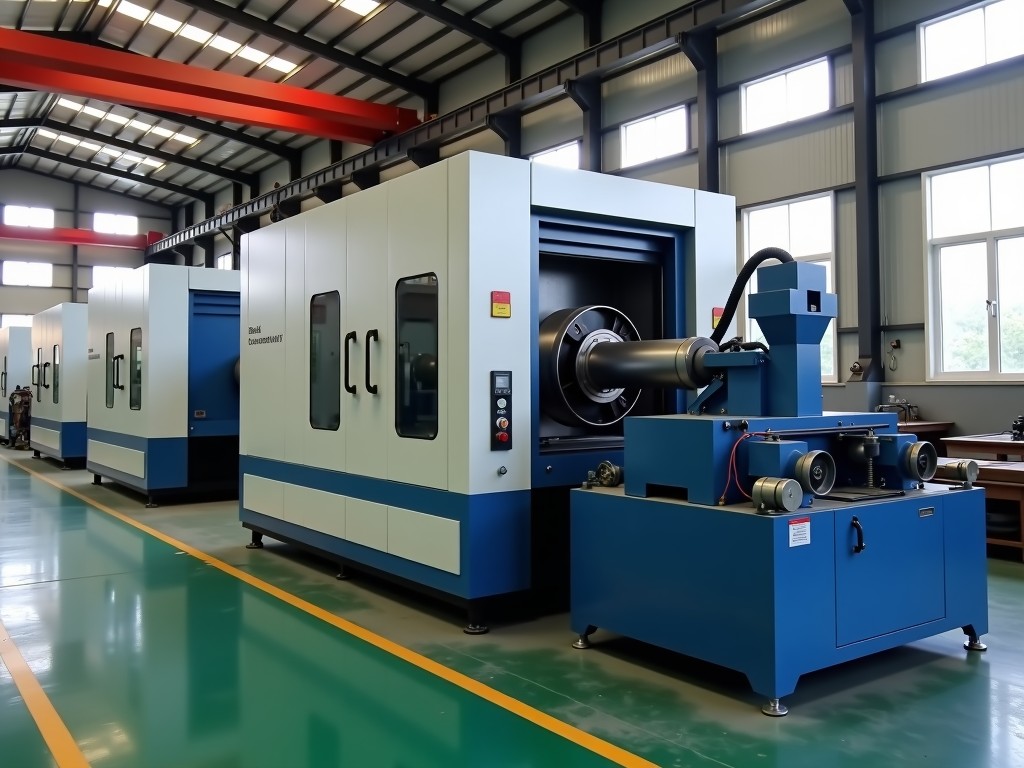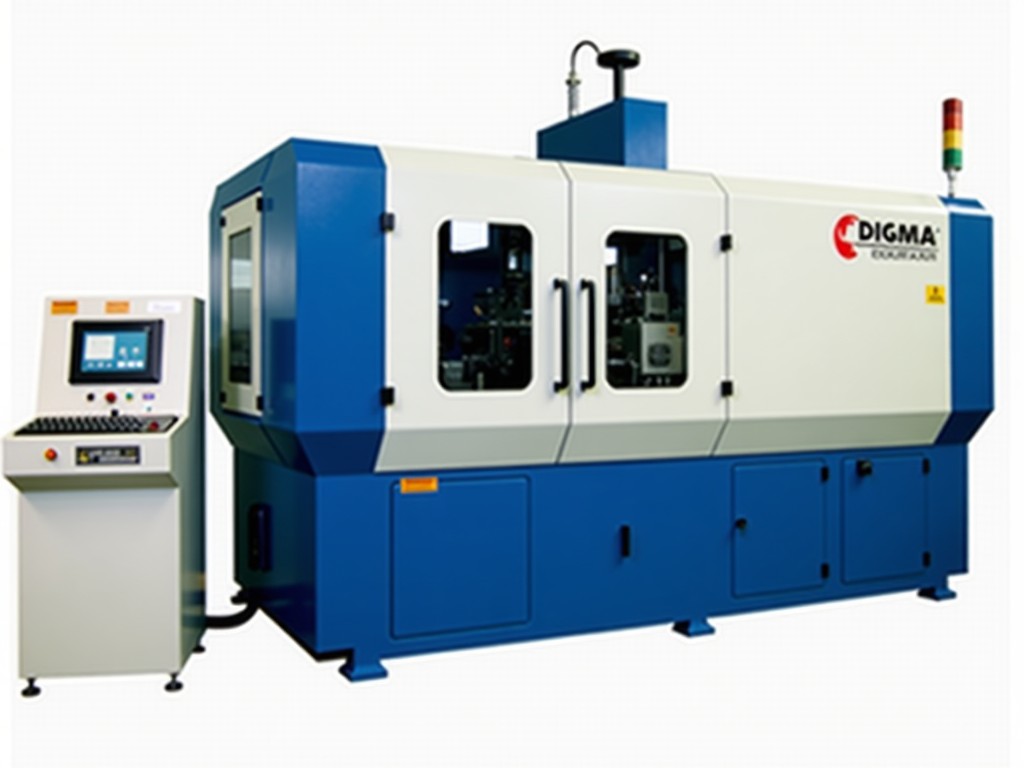
China Magnesium Hot Chamber Die Casting Machine Supplier
Magnesium hot chamber die casting machines are purpose‑built for the low melting point and high fluidity of magnesium alloys. The closed‑loop injection system keeps the melt in a heated chamber,
China Magnesium Hot Chamber Die Casting Machine Supplier
Magnesium hot chamber die casting machines are purpose‑built for the low melting point and high fluidity of magnesium alloys. The closed‑loop injection system keeps the melt in a heated chamber, eliminating exposure to air and reducing oxidation. This design shortens cycle times and improves dimensional stability for thin‑wall components.
Typical Technical Specifications
The table below lists the most common parameters that buyers compare when evaluating a magnesium hot chamber machine. Values are typical for standard models; final numbers are confirmed during quotation.
| Parameter | Typical Range | Notes |
|---|---|---|
| Clamping Force | 150–500 t | Higher force enables larger parts and thicker walls. |
| Shot Weight (Mg alloy) | 0.5–5 kg | Depends on plunger diameter and injection pressure. |
| Injection Pressure | 30–70 MPa | Adjustable via servo‑hydraulic system. |
| Cycle Time (dry shot) | 1.5–3.5 s | Shorter cycles with optimized cooling. |
| Melt Chamber Temperature Control | ±2 °C stability | PID‑controlled heating elements. |
| Control System | Siemens / Fanuc PLC + HMI | Open protocol for integration. |
Key Engineering Features
A sealed melt chamber eliminates the need for a separate holding furnace, reducing floor space and energy consumption. The injection plunger is driven by a servo‑hydraulic cylinder that provides precise pressure profiling, which is critical for magnesium’s rapid solidification.
Automatic lubrication of the shot sleeve and plunger tip extends component life and maintains consistent metal flow. An integrated gas‑shielding system (typically argon or SF₆) further suppresses oxidation during the shot.
- Closed‑loop melt chamber with ±2 °C temperature stability.
- Servo‑hydraulic injection with programmable pressure curves.
- Automatic shot‑sleeve lubrication and tip cooling.
- Integrated inert‑gas shielding for oxidation control.
- Modular die‑height adjustment for quick changeover.
Why These Machines Fit Target Industries
Automotive powertrain components such as transmission housings benefit from magnesium’s high strength‑to‑weight ratio and the machine’s ability to produce thin walls (<2 mm) without porosity. The fast cycle time aligns with high‑volume production schedules.
Consumer electronics enclosures require tight tolerances and a smooth surface finish; the inert‑gas shielding and precise pressure control deliver the surface quality needed for downstream coating or anodizing.
Aerospace brackets and structural inserts demand repeatable mechanical properties. The machine’s consistent melt temperature and controlled solidification reduce variability in tensile strength across batches.
Customization Options
Buyers can tailor the machine to specific production goals. Common configurable items include:
- Clamping force upgrades up to 800 t for larger structural parts.
- Alternative PLC brands (Mitsubishi, Allen‑Bradley) to match plant standards.
- Dual‑chamber melt system for simultaneous alloy feeding.
- Enhanced cooling circuits for sub‑second cycle targets.
- Remote monitoring package with OPC‑UA connectivity.
Quality Assurance & Inspection
Each unit undergoes a factory acceptance test (FAT) that includes dry‑shot repeatability, temperature uniformity across the melt chamber, and injection pressure curve verification. Dimensional inspection of critical machined components follows ISO 2768‑mK tolerances. A certificate of compliance is supplied with shipment.
Optional third‑party inspection (e.g., SGS, BV) can be arranged before dispatch. Spare‑parts kits for the first 12 months are packaged separately and documented.
Packaging, Shipping & Export Protection
Machines are secured on steel‑frame crates with vibration‑damping pads. The melt chamber is sealed with desiccant packs and nitrogen purge to prevent moisture ingress. Export crates comply with ISPM‑15 heat‑treated wood standards. Standard Incoterms offered: FOB Shanghai, CIF destination port, DDP upon request.
Frequently Asked Questions
- Can the clamping force and shot weight be customized beyond the typical range?
- Yes. Engineering review determines the required frame reinforcement and hydraulic capacity. Custom configurations are quoted case by case.
- What information is needed for an accurate quotation?
- Part geometry (CAD or 2D drawings), annual volume, alloy grade, required cycle time, and any plant integration constraints (PLC protocol, power supply).
- Which magnesium alloys are compatible?
- Common grades include AZ91D, AM60B, and WE43. The melt chamber temperature profile can be adjusted for other alloy systems upon request.
- How is quality inspected before shipment?
- A full FAT is performed per the checklist above. Optional third‑party witness is available. All test records are provided in PDF and CSV formats.
- What is the typical production lead time?
- Standard models: 8–10 weeks after order confirmation. Customized units: 12–16 weeks depending on engineering complexity.
Next Steps
Share your part specifications and volume targets with our application engineers. They will prepare a detailed proposal, including layout drawings, cycle‑time simulation, and a cost breakdown. Request a quotation or schedule a technical call to discuss integration requirements.