China Cold Chamber Die Casting Machine For Motorcycle Parts Company
Cold‑chamber die casting remains the standard process for high‑volume aluminum and magnesium motorcycle components because the molten metal is ladled into a separate shot sleeve, protecting the
China Cold Chamber Die Casting Machine for Motorcycle Parts
Cold‑chamber die casting remains the standard process for high‑volume aluminum and magnesium motorcycle components because the molten metal is ladled into a separate shot sleeve, protecting the injection system from corrosion and allowing higher melting‑point alloys. This page outlines the machine architecture, key performance parameters, typical motorcycle applications, customization pathways, and the quality framework that supports consistent part integrity.
Technical Overview
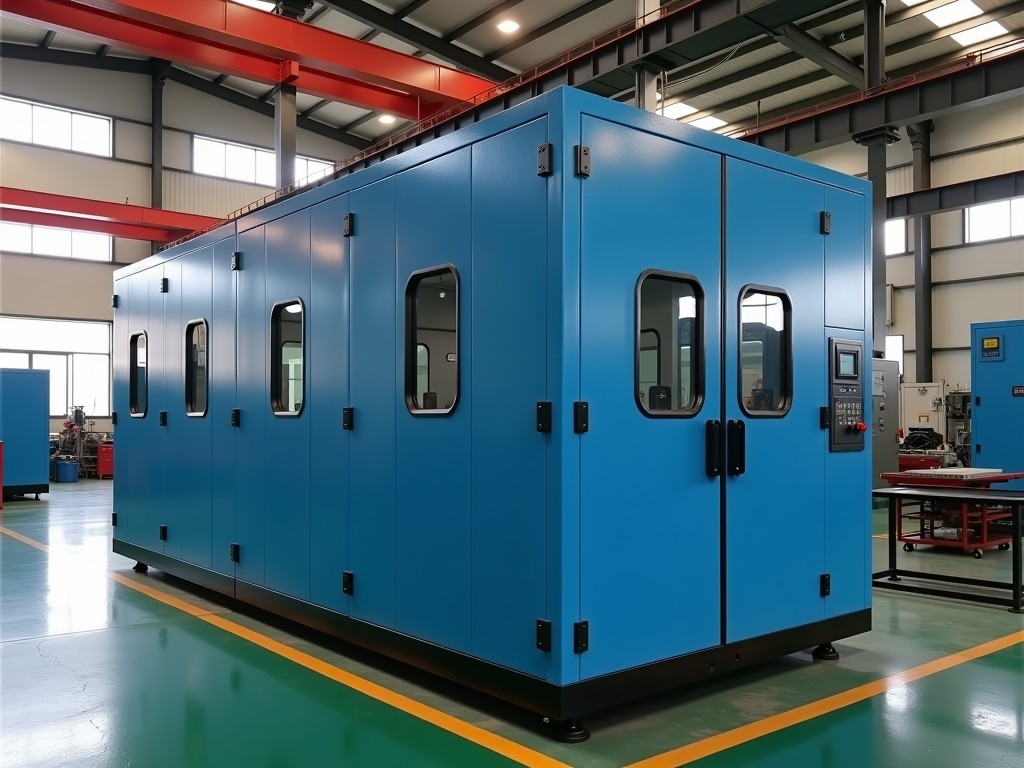
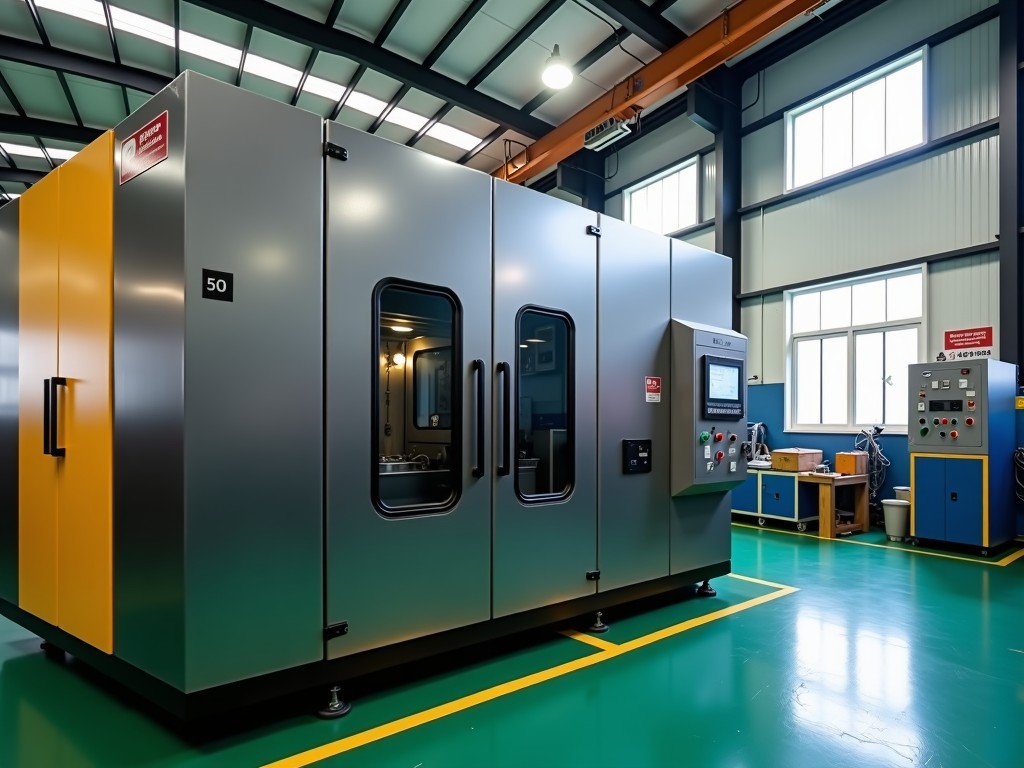
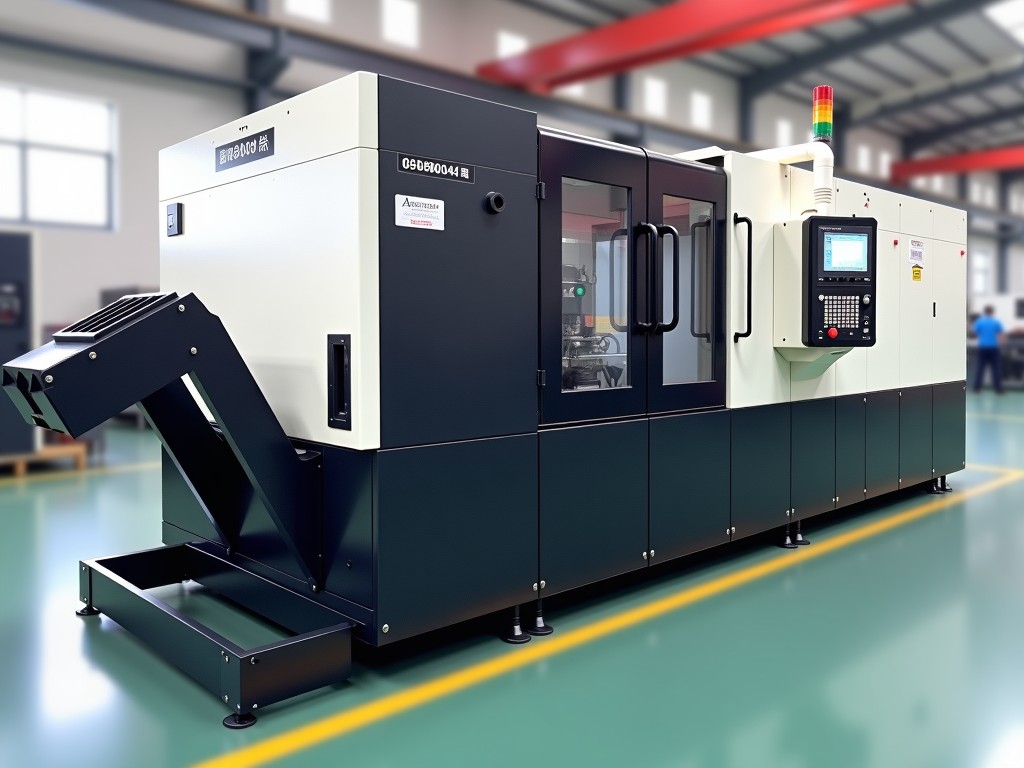
The machine frame uses a welded box‑type structure stress‑relieved after fabrication to minimize distortion under repetitive clamping loads. A direct‑drive hydraulic system supplies the clamping force, while a servo‑controlled injection unit delivers repeatable shot velocity profiles. The PLC‑based controller integrates real‑time monitoring of pressure, position, and temperature, enabling closed‑loop adjustments during each cycle.
Key Specifications
| Parameter | Typical Value |
|---|---|
| Clamping Force | 1,200–2,500 kN (customizable) |
| Shot Weight (Al) | 0.8–3.5 kg |
| Platen Size | 600×600 mm to 900×900 mm |
| Injection Pressure | 120–180 MPa |
| Cycle Time (dry) | 3.5–5.5 s |
| Control System | PLC with HMI, optional IoT module |
Why Cold Chamber for Motorcycle Components
Motorcycle parts such as cylinder heads, transmission cases, and brake calipers demand thin walls, tight tolerances, and high thermal conductivity. Cold‑chamber machines keep the melt separate from the injection piston, reducing iron pickup and allowing the use of high‑silicon aluminum alloys that meet the strength‑to‑weight targets of modern powertrains.
Typical Motorcycle Parts Produced
- Engine cylinder heads – high thermal conductivity, thin walls
- Transmission housings – complex internal passages
- Brake caliper bodies – strict dimensional tolerance
- Swing‑arm brackets – high strength‑to‑weight ratio
Customization Options
Each production line can be tailored to the specific alloy, part geometry, and throughput requirement. The following options are commonly configured:
- Clamping force and platen dimensions per project
- Shot sleeve and plunger material (H13, 1.2344, copper‑alloy)
- Automation level – manual, semi‑auto, fully robotic cell
- Cooling circuit layout for specific alloy
Quality Assurance & Inspection
A multi‑stage inspection plan is embedded in the machine’s control architecture and the downstream quality lab:
- In‑process monitoring of injection pressure and velocity
- Post‑cast dimensional inspection using CMM (coordinate measuring machine)
- Metallurgical verification – microstructure, porosity analysis
- Traceability records linked to machine serial number
Frequently Asked Questions
Can the machine be sized for a specific motorcycle part?
Yes. Clamping force, platen size, and shot capacity are configured after reviewing the part geometry, alloy, and annual volume.
What information is needed for a quotation?
Typical data includes part drawings (STEP/IGES), alloy grade, projected annual output, required cycle time, and any automation preferences.
What alloys can be processed?
Common aluminum alloys (A380, ADC12, AlSi10Mg) and magnesium alloys (AZ91D) are supported. Custom alloy trials are available on request.
How is export packaging handled?
Machines are secured on steel skids, wrapped in VCI film, and placed in fumigated wooden crates compliant with ISPM‑15.
What is the typical lead time?
Standard configurations ship in 8–12 weeks; heavily customized units may require 14–18 weeks.
Next Steps
If the specifications align with your production goals, share your part data and volume forecast. Our engineering team will prepare a detailed proposal, including layout drawings and a cost breakdown.
Request a Technical Proposal