China Cold Chamber Die Casting Automation System Company
Cold chamber die casting remains the preferred route for high‑melting‑point alloys such as aluminum, magnesium and copper‑based grades. An automation system wraps the furnace, ladle, shot sleeve,
China Cold Chamber Die Casting Automation System Company
Cold chamber die casting remains the preferred route for high‑melting‑point alloys such as aluminum, magnesium and copper‑based grades. An automation system wraps the furnace, ladle, shot sleeve, die, and post‑cast handling into a single coordinated cell, reducing manual interventions and cycle‑to‑cycle variation.
Core System Architecture
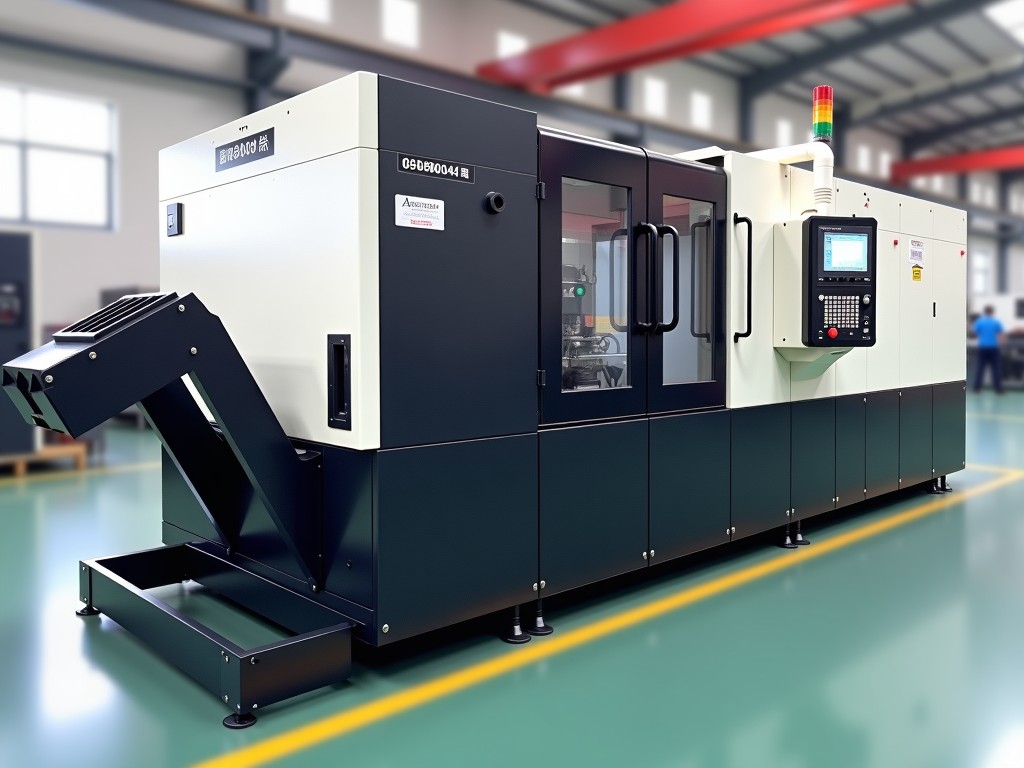
The cell is built around a programmable logic controller (PLC) that synchronizes furnace temperature profiles, ladle transfer timing, shot velocity, and die‑close sequences. A human‑machine interface (HMI) presents real‑time process curves — melt temperature, injection pressure, cavity pressure — allowing operators to adjust set‑points without stopping production.
- Induction or resistance furnace with closed‑loop temperature control ±2 °C.
- Automated ladle with tilt‑and‑pour mechanism, capacity 5–30 kg per shot.
- Servo‑driven shot sleeve providing repeatable injection speeds 0.5–5 m/s.
- Hydraulic or servo‑electric die clamping delivering 500–3000 kN clamping force.
- Six‑axis robot for part extraction, trimming, and conveyance to downstream stations.
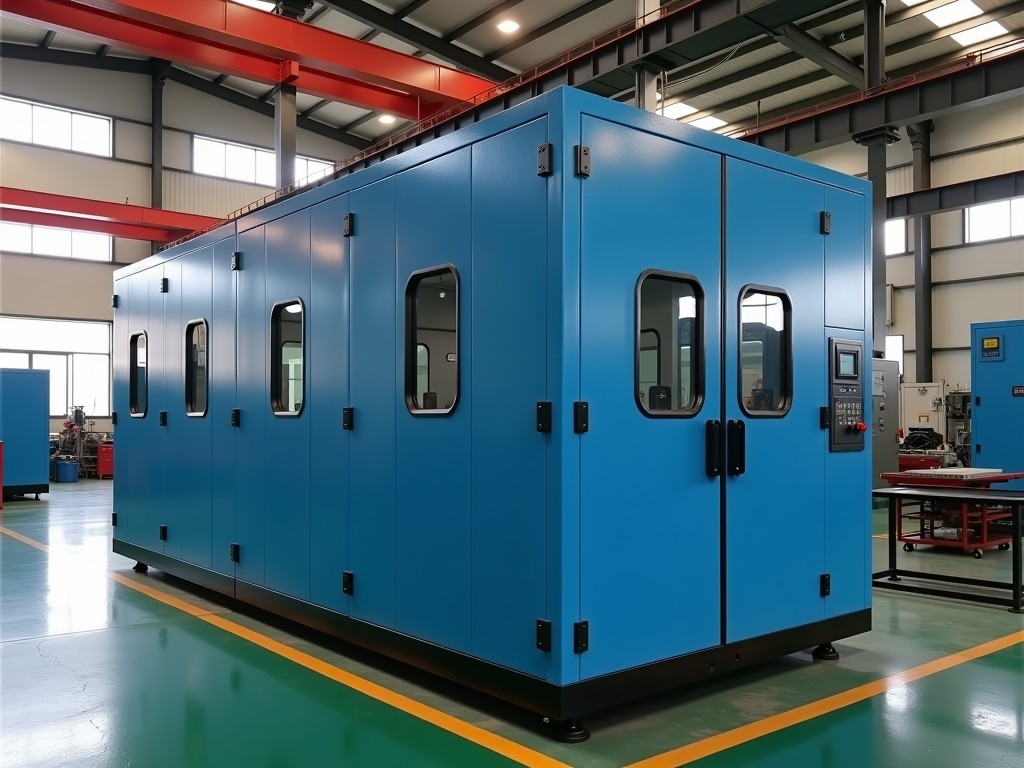
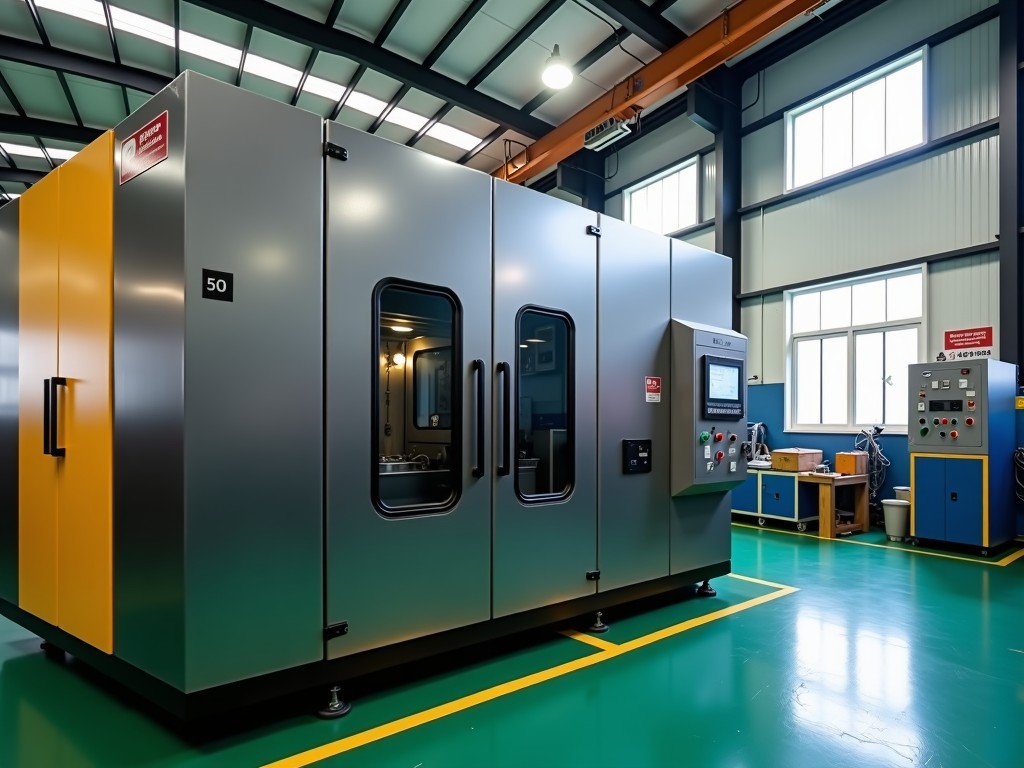
- Safety enclosure with light curtains, emergency stop, and interlock logic compliant with ISO 12100.
Integration & Data Exchange
Modern lines demand traceability. The automation cell supports OPC UA, Modbus TCP, and PROFINET, enabling seamless hand‑off to MES/ERP for batch genealogy, energy monitoring, and predictive maintenance. Data logs are stored locally for 30 days and can be streamed to cloud analytics platforms on request.
Typical Parameter Ranges
| Parameter | Typical Range | Notes |
|---|---|---|
| Shot weight | 0.5 – 25 kg | Adjustable via ladle size |
| Cycle time | 12 – 45 s | Depends on alloy and part geometry |
| Clamping force | 500 – 3000 kN | Servo‑electric options available |
| Furnace capacity | 50 – 500 kg | Continuous melt replenishment |
| Control platform | Siemens S7‑1500 / Allen‑Bradley ControlLogix | Custom PLC on request |
Customization Logic
Each project starts with a part‑print review: wall thickness, draft angles, and required surface finish dictate die temperature set‑points and shot velocity profiles. The engineering team then selects furnace power, ladle geometry, and robot reach to match the target takt time. Optional modules — vacuum assist, squeeze casting, or in‑die cooling — can be added without redesigning the base cell.
Quality Assurance Philosophy
In‑line sensors capture cavity pressure at 10 kHz, melt temperature at 1 Hz, and shot position at 0.5 mm resolution. Statistical process control (SPC) charts are generated automatically; any drift beyond ±3σ triggers an alarm and a controlled shutdown. Post‑cast dimensional checks are performed by a coordinated measuring machine (CMM) integrated into the robot’s end‑effector path, enabling 100 % inspection on critical features.
Typical Applications
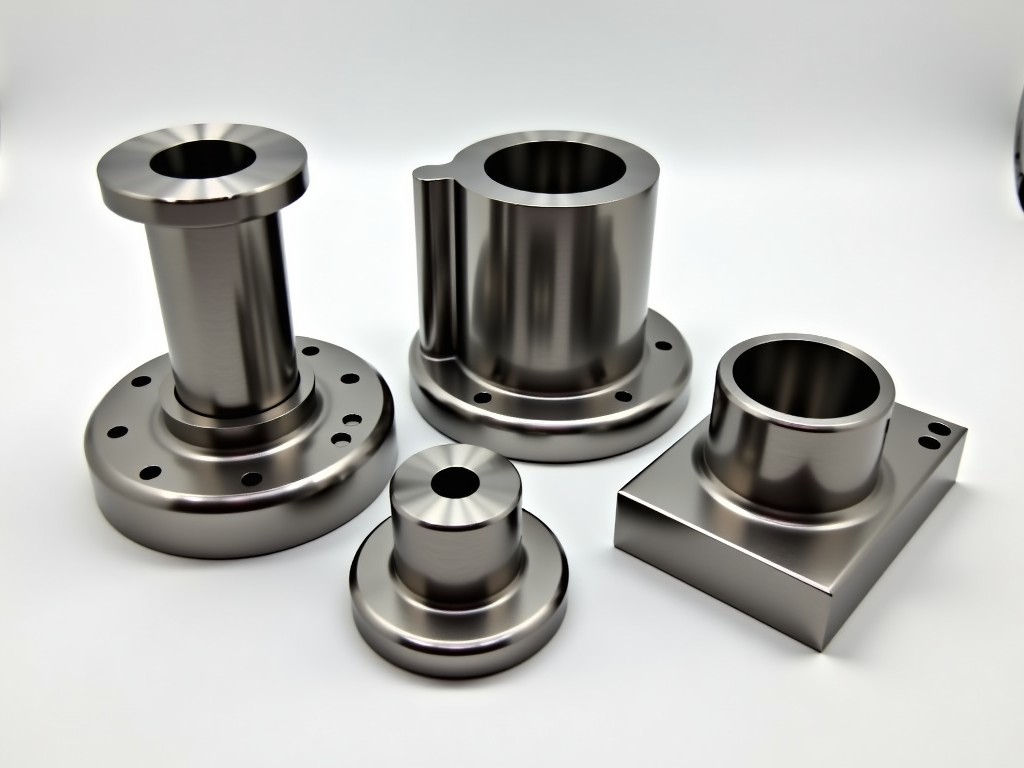
Automotive structural brackets benefit from the high repeatability of servo‑driven injection, reducing porosity in load‑bearing zones. Aerospace engine housings exploit the tight temperature control to meet stringent grain‑size specifications. Industrial gear housings gain cost advantage through reduced secondary machining, as the automated cell delivers near‑net‑shape parts with consistent draft compliance.
Frequently Asked Questions
- Can the system be sized for a specific shot weight? Yes — ladle volume, furnace power, and clamping force are selectable per project requirements.
- What information is needed for a quotation? Part drawings, alloy grade, annual volume, desired cycle time, and any existing line interface specifications.
- Which alloys are supported? Aluminum (A380, ADC12), magnesium (AZ91D), copper‑based (C95800), and custom alloys on request.
- How is quality data exported? Via OPC UA or CSV export from the HMI; integration with MES is standard.
- What is the typical lead time for a turnkey cell? 16–24 weeks from order confirmation, depending on customization depth.
Next Steps
A technical discussion clarifies scope, validates cycle‑time targets, and defines the interface package. Engineers from both sides review the part geometry, alloy data, and plant layout before a detailed proposal is issued.
Request a technical consultation to start the evaluation.