China Cold Chamber Die Casting Machine For Auto Parts Company
Cold chamber die casting separates the molten metal reservoir from the injection system, allowing the use of high‑melting‑point alloys such as aluminum‑silicon, magnesium, and zinc‑aluminum. This
China Cold Chamber Die Casting Machine for Auto Parts Company
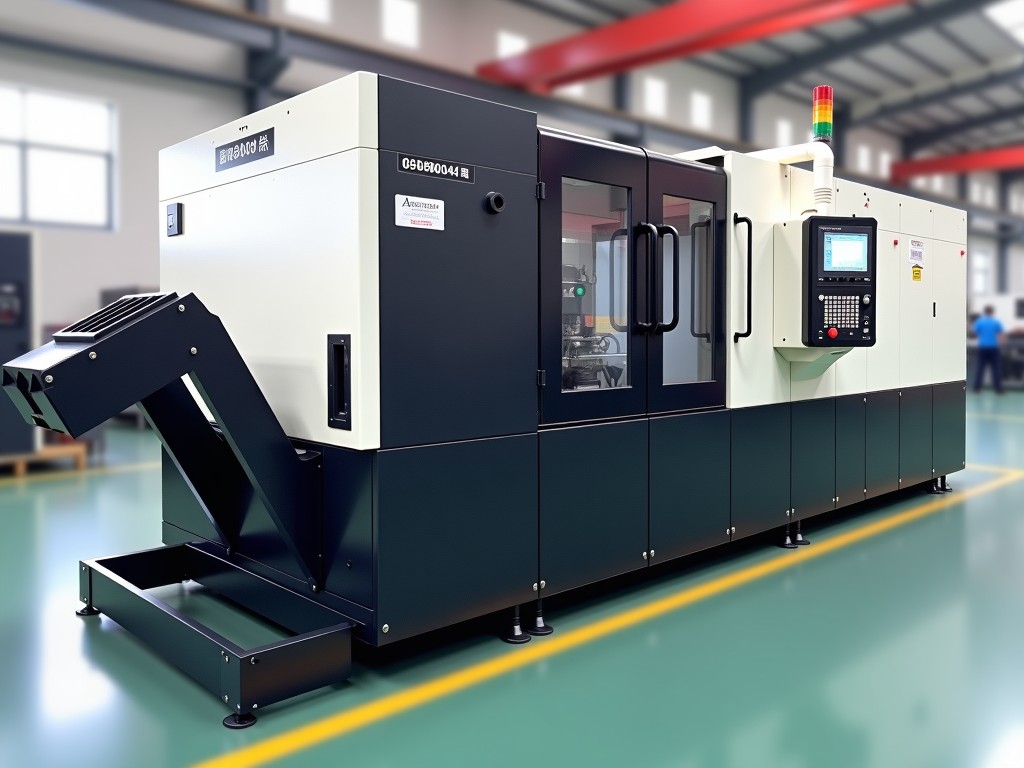
Cold chamber die casting separates the molten metal reservoir from the injection system, allowing the use of high‑melting‑point alloys such as aluminum‑silicon, magnesium, and zinc‑aluminum. This architecture is essential for automotive components that demand tight dimensional tolerances, superior surface finish, and consistent mechanical properties across large production volumes.
The machine range covered here spans clamping forces from 1,200 kN to 4,500 kN, shot weights up to 12 kg, and injection pressures exceeding 1,200 bar. Each unit integrates a servo‑driven injection unit, a closed‑loop hydraulic clamping system, and a PLC‑based process controller that records every cycle parameter for traceability.
Technical Specifications
| Parameter | Typical Value | Customization |
|---|---|---|
| Clamping Force | 1,200 – 4,500 kN | Adjustable in 100 kN steps |
| Maximum Shot Weight | 12 kg (Al‑Si alloy) | Up to 15 kg on request |
| Injection Pressure | 1,200 bar (peak) | Servo‑profile programmable |
| Platen Size (L×W) | 1,200 × 1,200 mm | Custom dimensions available |
| Cycle Time (dry) | 3.5 – 5.0 s | Optimised per part geometry |
| Control System | Siemens S7‑1500 PLC + HMI | Alternative brands on request |
Key Features
- Servo‑driven injection provides repeatable velocity profiles, reducing porosity in thin‑wall brackets.
- Closed‑loop hydraulic clamping maintains constant force during metal solidification, limiting flash on high‑precision gear housings.
- Integrated melt‑temperature monitoring with ±2 °C accuracy ensures alloy consistency across shifts.
- Automatic lubrication system for toggle and guide rails extends component life beyond 30 million cycles.
- Real‑time data logging (pressure, position, temperature) enables statistical process control without external software.
Why This Machine Fits Automotive Production
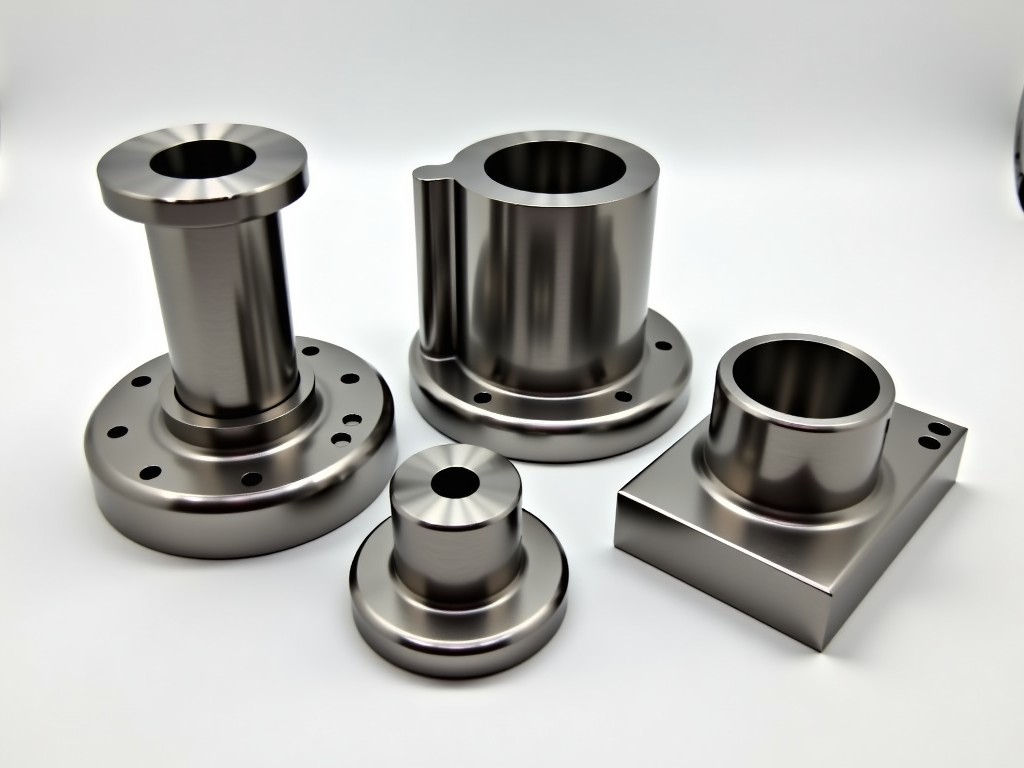
Automotive OEMs require parts such as engine brackets, transmission cases, and structural reinforcements that combine high strength‑to‑weight ratios with tight geometric tolerances. Cold chamber die casting delivers the necessary metallurgical integrity because the molten metal is ladled into a shot sleeve, preventing premature solidification that can occur in hot‑chamber systems.
The servo injection unit can tailor the fill curve for each cavity, which is critical when a single die produces multiple part families on a shared platform. By adjusting the acceleration and deceleration phases, the machine minimizes turbulence, thereby reducing gas entrapment that would otherwise lead to leak paths in pressure‑tight components.
Clamping force stability is equally important. During the high‑pressure intensification stage, any force decay translates directly into dimensional drift. The closed‑loop hydraulic system compensates for oil temperature variations, keeping the platen parallel within 0.02 mm over the full stroke.
Customization Options
- Platen dimensions and T‑slot patterns matched to existing die sets.
- Shot sleeve diameters from 50 mm to 120 mm for alloy‑specific flow requirements.
- Optional vacuum‑assist module for ultra‑low porosity castings.
- Choice of PLC brand (Siemens, Mitsubishi, Allen‑Bradley) and communication protocol (PROFINET, EtherNet/IP, OPC UA).
- Integrated robot interface for automated part extraction and secondary operations.
Quality Control & Inspection
Every machine undergoes a factory acceptance test (FAT) that includes a 10,000‑cycle endurance run at rated clamping force and injection pressure. Critical dimensions are verified with a coordinate‑measuring machine (CMM) before shipment.
In‑process monitoring records injection pressure curves, plunger velocity, and die temperature at 1 kHz. Deviations beyond user‑defined limits trigger an automatic alarm and can pause the cycle, preventing defective parts from reaching downstream machining.
Material certificates for the hydraulic cylinder, toggle pins, and shot sleeve are supplied with each unit. Optional third‑party inspection (e.g., SGS, TÜV) can be arranged prior to delivery.
Frequently Asked Questions
Can the machine be adapted for magnesium alloys?
Yes. The injection unit can be equipped with a magnesium‑compatible shot sleeve and a protective gas shroud. Process parameters are stored in separate recipe files for quick changeover.
What information is needed for a quotation?
Typical data include required clamping force, maximum part weight, alloy type, annual volume, and any special features such as vacuum or robot integration.
How is shipment protected for export?
Machines are secured on steel skids, wrapped in VCI film, and placed in fumigated wooden crates meeting ISPM‑15. Shock indicators and humidity cards are included for transit monitoring.
What is the typical lead time?
Standard configurations ship within 12 weeks after order confirmation. Custom platen or control options add 3‑5 weeks depending on component availability.
Are spare parts stocked locally?
Critical wear items (toggle pins, seals, shot sleeves) are kept in regional warehouses in Europe, North America, and Southeast Asia. Consumable kits can be ordered with the machine or on a scheduled replenishment plan.