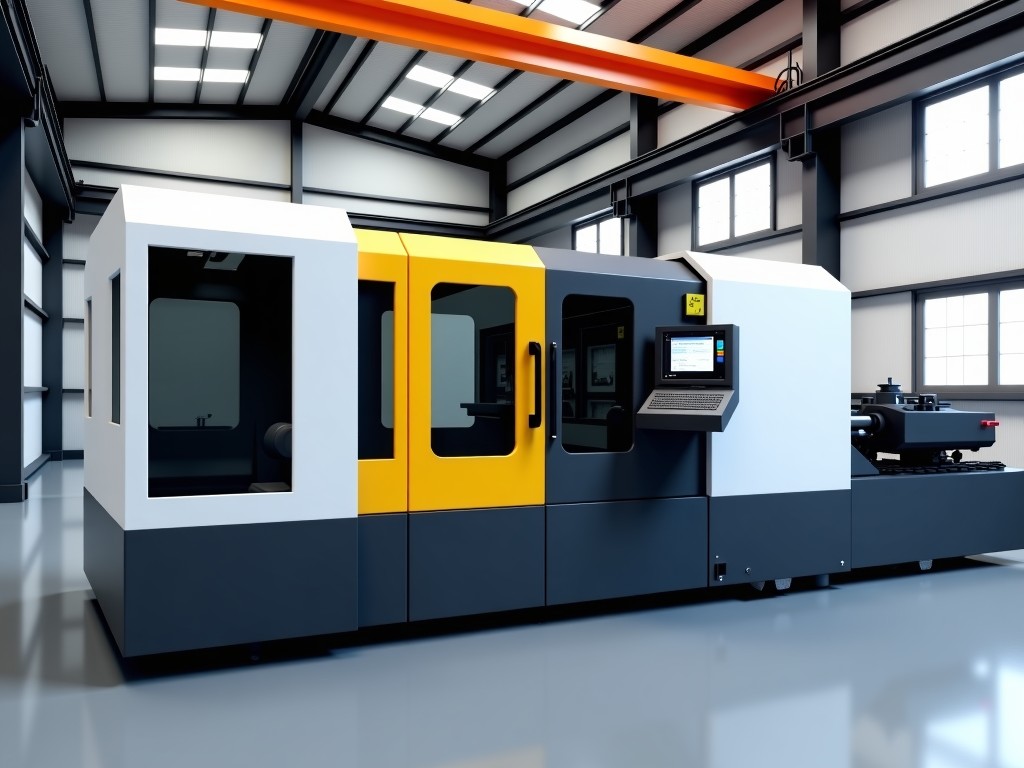
Ce Certified Smart Die Casting Machine System Top Supplier
The system integrates a closed‑loop servo‑hydraulic drive with a real‑time process controller that monitors pressure, temperature, and cavity fill at 1 kHz. This architecture reduces cycle‑to‑cycle
CE Certified Smart Die Casting Machine System – Top Supplier
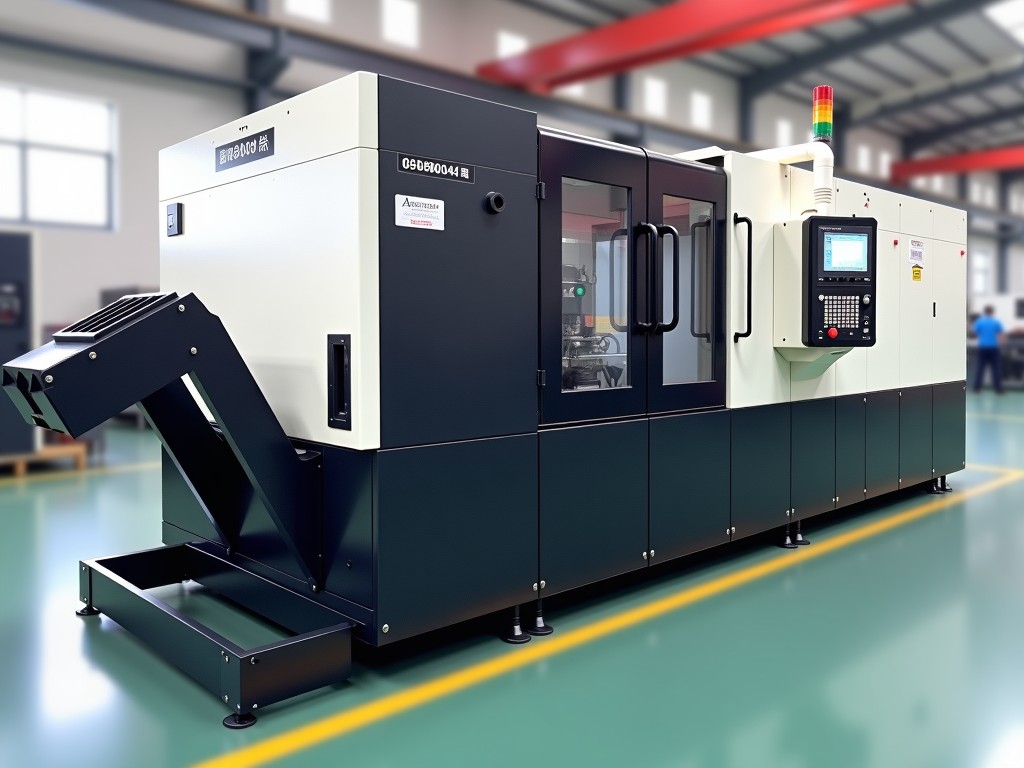
The system integrates a closed‑loop servo‑hydraulic drive with a real‑time process controller that monitors pressure, temperature, and cavity fill at 1 kHz. This architecture reduces cycle‑to‑cycle variation to less than ±0.3 % on typical aluminum alloys.
CE marking confirms compliance with the Machinery Directive 2006/42/EC, the Low Voltage Directive 2014/35/EU, and the EMC Directive 2014/30/EU. Documentation includes a Declaration of Conformity, risk assessment, and a technical file available for audit.
Technical Specifications
| Parameter | Typical Value / Range | Notes |
|---|---|---|
| Clamping force | 1 200 kN – 4 500 kN | Selectable per project |
| Maximum shot weight (Al) | 0.8 kg – 12 kg | Depends on mold cavity volume |
| Injection speed | 0.5 m/s – 6 m/s | Servo‑controlled, programmable profiles |
| Control platform | Industrial PC + PLC (IEC 61131‑3) | OPC‑UA, Modbus‑TCP, EtherCAT |
| Power supply | 3 × 400 V ± 10 %, 50/60 Hz | Optional 480 V version |
| Footprint (L × W × H) | 3 200 mm × 2 100 mm × 2 500 mm | Customizable for line integration |
| Machine weight | ≈ 18 t | Varies with options |
Key Features
- Servo‑hydraulic drive delivers repeatable injection pressure within ±0.5 % across the full speed range.
- Real‑time cavity pressure mapping (up to 64 sensors) enables adaptive shot control for thin‑wall parts.
- Integrated thermal management maintains die temperature ±2 °C, reducing soldering and porosity.
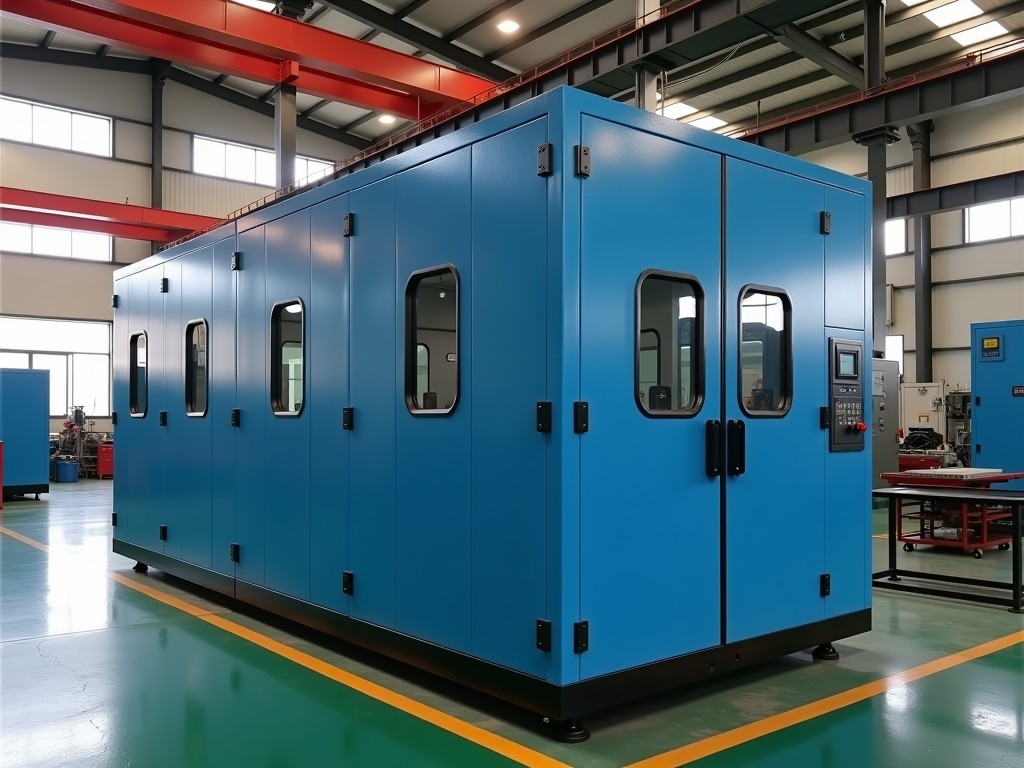
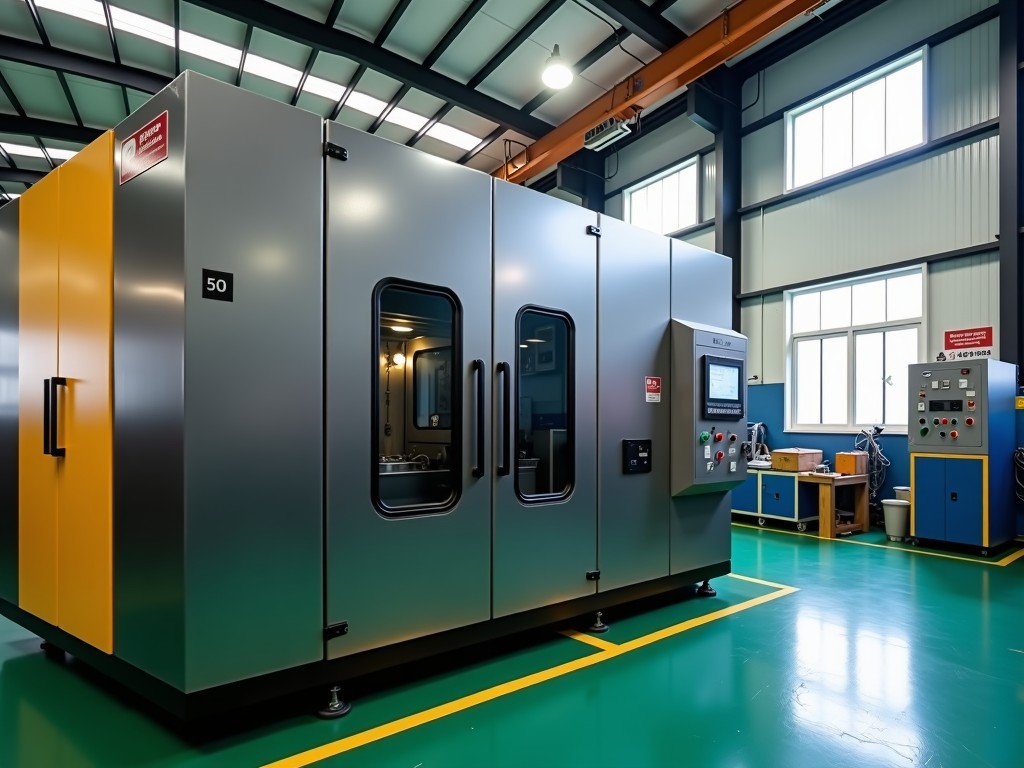
- Modular safety enclosure with light‑curtain and emergency‑stop compliance to ISO 13849‑1 PL d.
- Remote diagnostics via secure VPN; firmware updates without production downtime.
Industry Applications
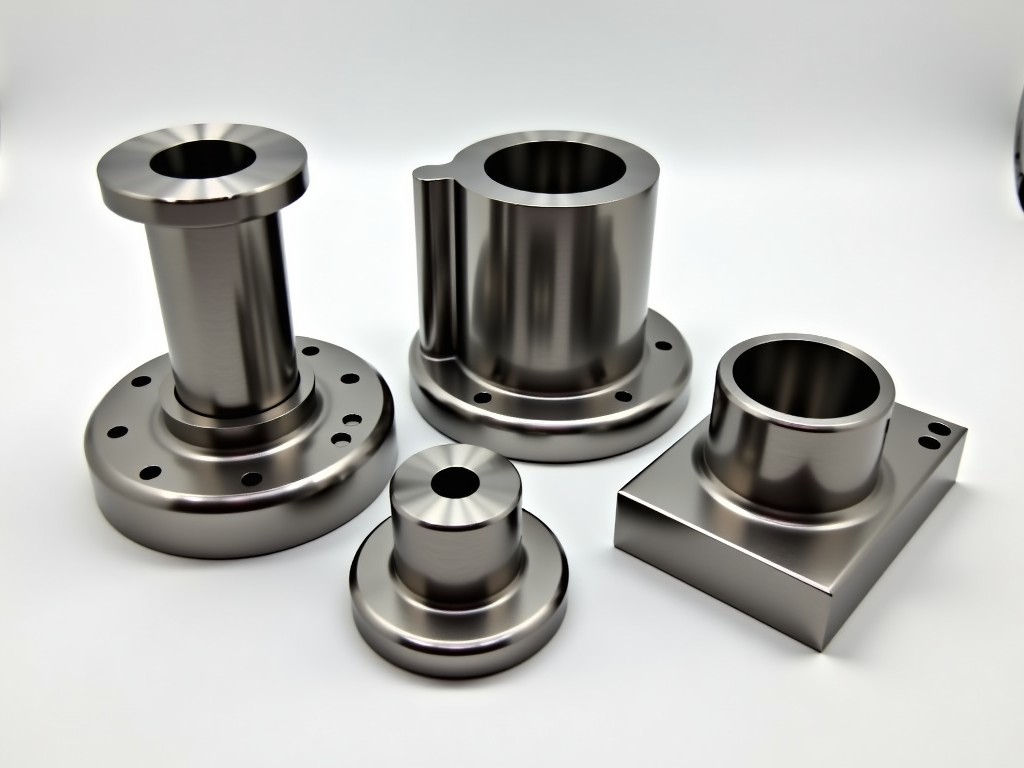
Automotive structural components such as transmission housings benefit from the machine’s high clamping force and precise fill control, which together minimize shrinkage defects in high‑silicon aluminum alloys.
Consumer‑electronics housings require thin walls (< 1 mm) and cosmetic surface quality; the adaptive pressure profiling and tight temperature regulation meet those tolerances without secondary machining.
Industrial‑equipment brackets and pump bodies often use magnesium alloys; the system’s inert‑gas purge option prevents oxidation during the shot, preserving mechanical properties.
CE Certification & Compliance
The CE mark is backed by a complete technical file that includes: risk assessment per ISO 12100, electrical safety test reports (IEC 60204‑1), EMC test reports (EN 61000‑6‑2/‑6‑4), and a Declaration of Conformity signed by the manufacturer’s authorized representative.
Periodic internal audits follow ISO 9001:2015 procedures; the machine’s safety‑related control functions are validated to PL d according to ISO 13849‑1. Documentation can be supplied in English, German, or Chinese upon request.
Customization & Integration
- Clamping force and platen size configurable in 200 kN increments.
- Choice of single‑ or dual‑shot modules for multi‑material molding.
- Optional robotic extractor interface (ISO 9409‑1) for fully automated cells.
- Data‑exchange templates for MES/ERP integration (SQL, MQTT, OPC‑UA).
- Color‑coded HMI screens tailored to operator language requirements.
Quality Control & Inspection
Each unit undergoes a 12‑point factory acceptance test: geometric alignment, hydraulic pressure hold, servo repeatability, sensor calibration, safety‑function verification, EMC emissions, thermal soak, vibration endurance, software version audit, documentation review, packaging integrity, and final CE label verification.
Statistical process control charts track key parameters (injection pressure, cycle time, die temperature) across the first 500 cycles at the customer site, enabling early detection of drift.
Packaging, Logistics & Lead Time
Machines are shipped on custom steel skids with vibration‑damping pads, sealed in vapor‑corrosion‑inhibitor (VCI) film, and secured in 40‑ft high‑cube containers. Export packaging complies with ISPM‑15 for wood components.
Standard production lead time is 14‑16 weeks from order confirmation; expedited schedules (10‑12 weeks) are available for repeat customers with pre‑approved configurations.
Frequently Asked Questions
- Can the clamping force be increased after installation?
- The frame is designed for the specified maximum; upgrades require a new platen and hydraulic circuit, typically handled as a retrofit project.
- What information is needed for a quotation?
- Annual volume, alloy type, part weight, required cycle time, available floor space, and any integration interfaces (robot, MES).
- Which alloys can be processed?
- Aluminum (A380, A356, ADC12), magnesium (AZ91D, AM60B), zinc (Zamak 3, 5), and copper‑based alloys on request.
- How is quality inspected before shipment?
- Full factory acceptance test per the 12‑point protocol, plus a documented traceability report for each critical component.
- What packaging options exist for sea freight?
- Standard VCI‑wrapped skid, optional wooden crate with desiccant, and climate‑controlled container for tropical routes.
- What is the typical production lead time?
- 14‑16 weeks for a standard configuration; 10‑12 weeks for pre‑engineered modules.
Request a Quote
To receive a detailed proposal, including layout drawings, cycle‑time simulation, and a compliance checklist, please complete the inquiry form or contact our technical sales team directly.