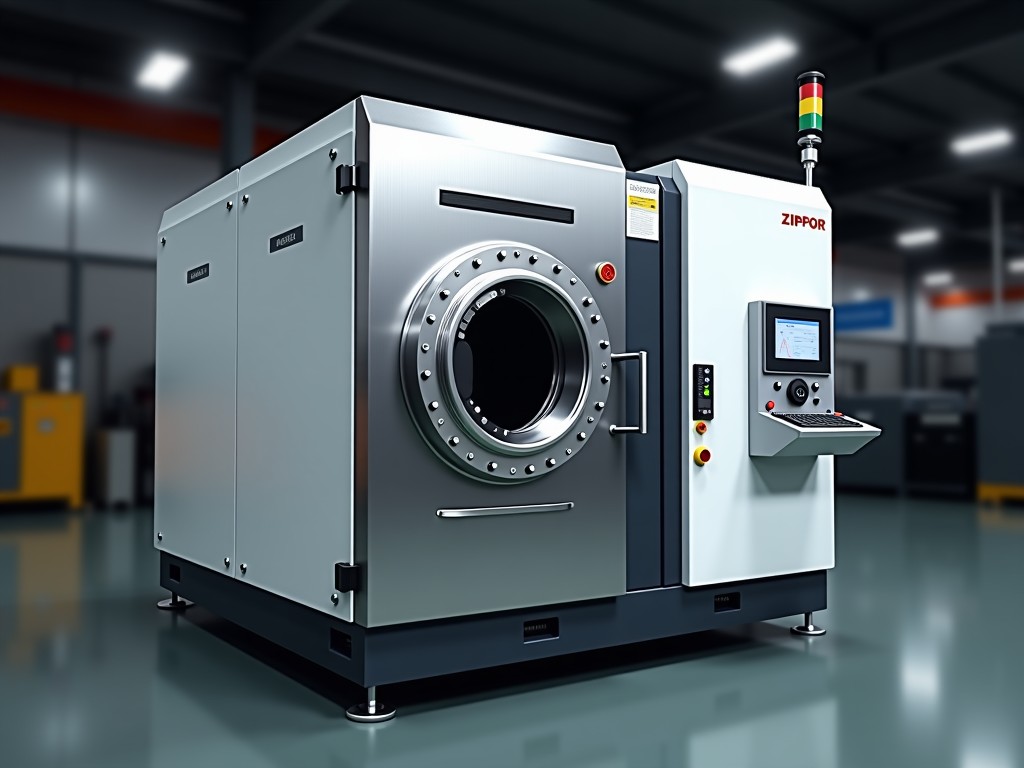
Ce Certified High Pressure Cold Chamber Die Casting Machine Factory
This page details the engineering basis, standard specifications, and procurement considerations for cold‑chamber die casting equipment that meets CE safety and electromagnetic compatibility
CE Certified High‑Pressure Cold Chamber Die Casting Machine Factory
This page details the engineering basis, standard specifications, and procurement considerations for cold‑chamber die casting equipment that meets CE safety and electromagnetic compatibility requirements. The information is intended for procurement engineers, OEM buyers, and distribution partners who need to evaluate machine capability before issuing a purchase order.
Product Overview
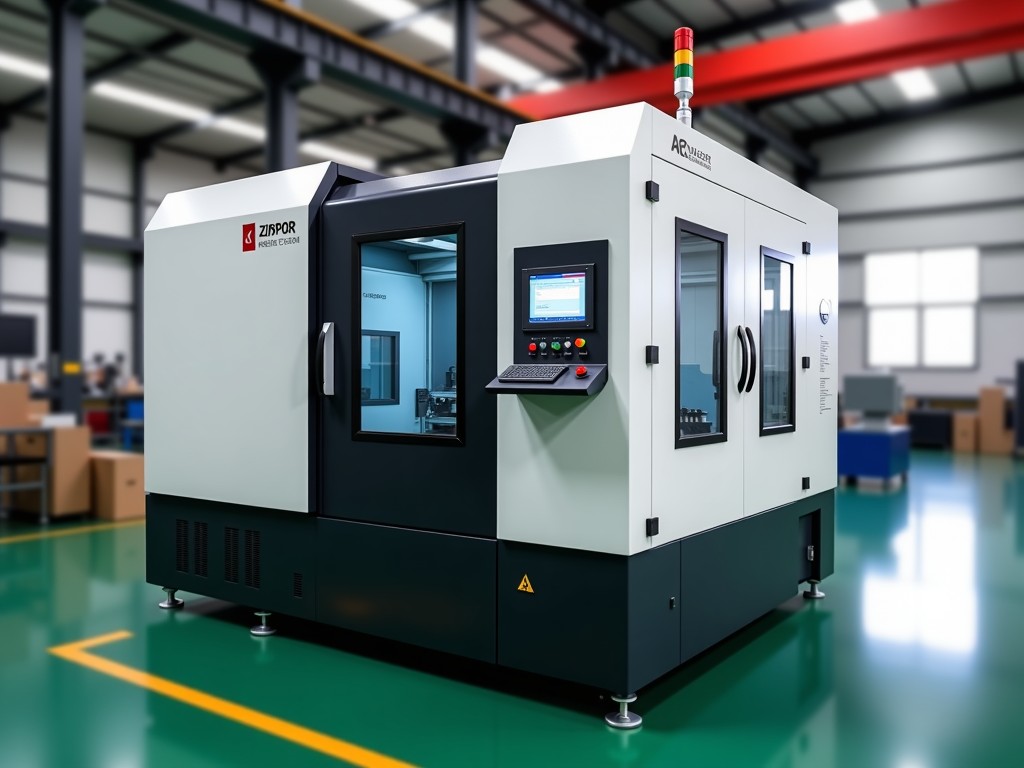
Cold‑chamber machines inject molten metal into a steel die under pressures typically ranging from 150 MPa to 450 MPa. The high‑pressure variant covered here is designed for aluminum, magnesium, and zinc alloys that require rapid filling of thin‑walled cavities. CE certification confirms that the machine complies with the Machinery Directive 2006/42/EC, the Low Voltage Directive 2014/35/EU, and the EMC Directive 2014/30/EU, covering guards, emergency stops, and electromagnetic emissions.
The factory assembles the complete system — frame, hydraulic power unit, injection system, PLC control, and safety enclosure — in a single ISO‑9001‑certified facility. This vertical integration shortens lead times and allows direct traceability of critical components such as the accumulator, servo‑valve, and die‑clamping cylinders.
Technical Specifications
The table below lists typical values for the standard model range. Exact figures are configurable; final data sheets are issued after the engineering review.
| Parameter | Typical Range | Notes |
|---|---|---|
| Clamping force | 1 200 kN – 4 500 kN | Selectable per die size |
| Maximum shot weight (Al) | 0.8 kg – 5.5 kg | Dependent on plunger diameter |
| Injection pressure (peak) | 180 MPa – 460 MPa | Servo‑controlled accumulator |
| Platen size (W × L) | 600 mm × 600 mm – 1 200 mm × 1 200 mm | Custom dimensions on request |
| Cycle time (dry) | 3.5 s – 7.0 s | Includes die open/close |
| Main motor power | 55 kW – 250 kW | IE3 efficiency class |
| Control platform | Siemens S7‑1500 / Beckhoff CX | OPC‑UA ready for Industry 4.0 |
All hydraulic components are sourced from suppliers with documented pressure‑test records. The accumulator is pre‑charged to 90 % of its rated pressure at the factory and re‑verified during commissioning.
Key Features
- Closed‑loop injection velocity control via proportional servo‑valve, reducing porosity in thin‑wall sections.
- Modular die‑clamping system with hydraulic lock‑up and mechanical safety latch, meeting EN ISO 13849‑1 PL d.
- Integrated melt‑temperature monitoring (thermocouple + infrared) feeding real‑time data to the PLC for automatic shot‑parameter compensation.
- Energy‑recovery circuit on the hydraulic return line, cutting pump load by up to 18 % in high‑volume runs.
- Full CE documentation package: Declaration of Conformity, risk assessment, user manual in EN/DE/FR, and electrical schematic.
The machine frame is stress‑relieved after welding and machined to a flatness tolerance of 0.02 mm/m, ensuring consistent die alignment over the service life.
Industrial Applications
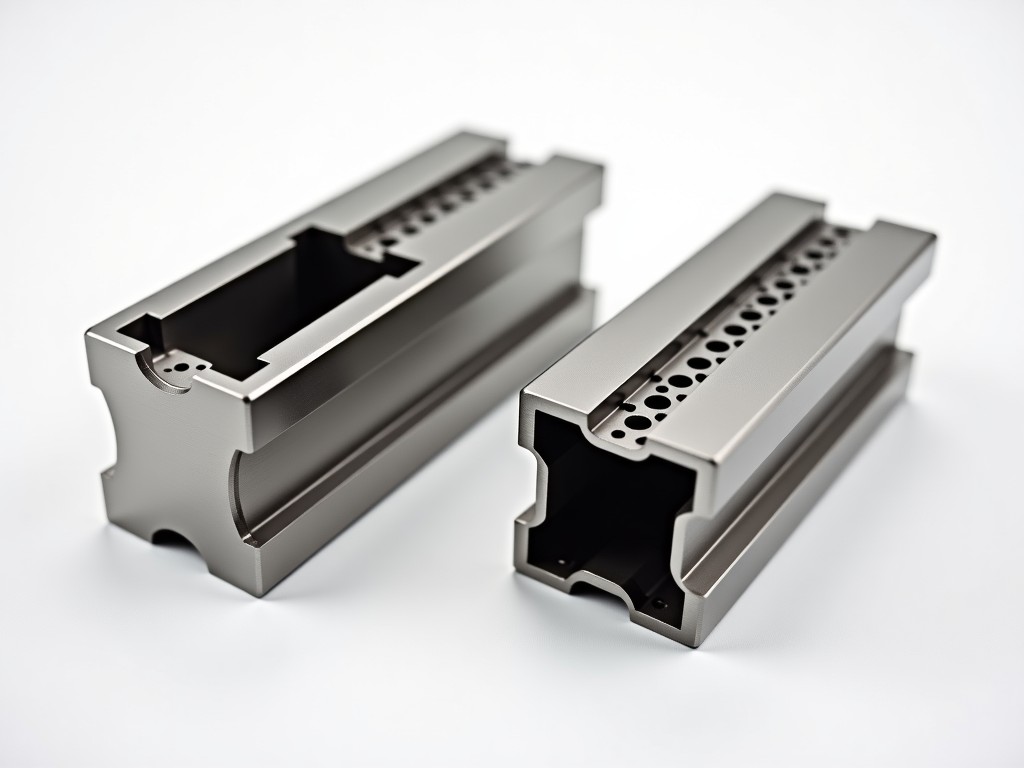
High‑pressure cold‑chamber die casting is the preferred route when part geometry demands wall thicknesses below 2 mm, tight dimensional tolerances (±0.05 mm), or when mechanical properties of the alloy must be preserved through rapid solidification.
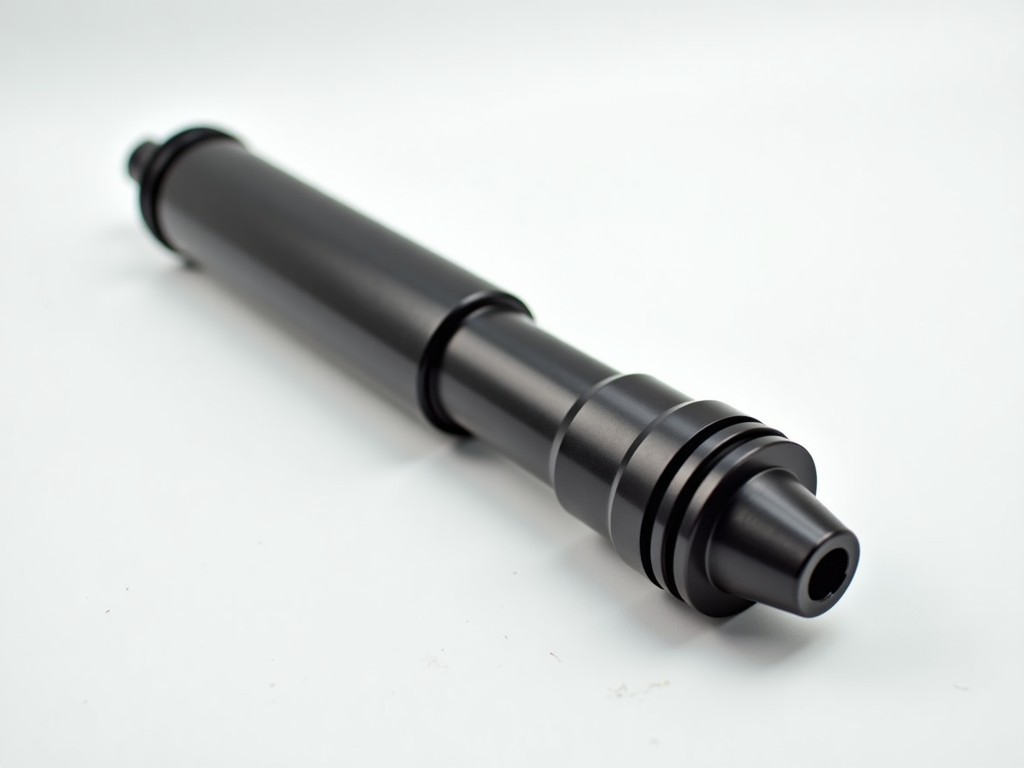
- Automotive powertrain: Transmission housings, oil‑pump bodies, and turbocharger compressor wheels benefit from the high‑integrity microstructure achieved at 350 MPa injection pressure.
- Consumer electronics: Magnesium alloy chassis for laptops and smartphones require the low‑porosity surface finish that only a servo‑controlled cold‑chamber shot can deliver.
- Industrial hardware: Zinc‑alloy brackets and connector bodies for harsh‑environment equipment rely on the repeatable cycle time and CE‑approved safety interlocks.
In each sector the machine’s OPC‑UA interface enables seamless data exchange with MES/ERP systems, supporting traceability requirements such as IATF 16949 or ISO 13485.
CE Certification & Quality Assurance
CE marking is not a single test but a conformity assessment covering mechanical hazards, electrical safety, and electromagnetic compatibility. The factory performs the following verification steps before shipment:
- Type‑test of the safety‑related control system (SRP/CS) according to EN ISO 13849‑1.
- EMC emission/immunity testing in an accredited lab (CISPR 11, IEC 61000‑4‑2/4/5).
- Hydrostatic pressure test of the injection cylinder at 1.5× rated pressure.
- Functional test of all emergency‑stop circuits, guard interlocks, and two‑hand control stations.
A complete technical file is retained for a minimum of ten years and can be provided to the buyer’s notified body on request.
Customization Options
Because die‑casting projects differ in alloy, volume, and integration level, the factory offers the following configurable items:
- Plunger diameter and material (H13, H11, or copper‑coated) to match shot weight.
- Die‑height adjustment range (standard 300 mm, extended to 600 mm).
- Auxiliary cooling circuits (water, oil, or forced air) for die temperature control.
- Automation interface: robot load/unload, conveyor integration, or vision‑system mount.
- Power supply configuration (400 V/50 Hz, 480 V/60 Hz, or custom transformer).
Each customization is reviewed by the process engineering team to verify that CE compliance is maintained after modification.
Packaging & Logistics
Machines are shipped in seaworthy wooden crates with internal steel bracing. The hydraulic power unit is drained, sealed with nitrogen blanket, and labeled per IMDG for non‑hazardous fluid residues. A typical 40‑ft container accommodates one complete unit plus spare‑parts kit.
- Vibration‑monitoring stickers attached to critical sub‑assemblies.
- Desiccant packs (silica gel) sized to the crate volume.
- Documentation packet (CE Declaration, test reports, packing list) placed in a waterproof pouch on the exterior.
Incoterms commonly used: EXW (factory), FOB (Shanghai/Ningbo), CIF (destination port). Insurance can be arranged through the buyer’s forwarder or the factory’s partner.
Frequently Asked Questions
- Can the clamping force be increased after installation?
- The frame and hydraulic cylinders are sized for the maximum rated force. Up‑rating requires a new cylinder set and a revised CE risk assessment; it is not a field‑adjustable parameter.
- What information is needed for a formal quotation?
- Alloy type, target shot weight, die dimensions, required cycle time, preferred control platform, and any local regulatory constraints.
- Is a pilot run available before full‑scale production?
- Yes. The factory can schedule a 2‑day trial on a test die, providing process data (fill time, pressure curve, part weight) for validation.
- How is spare‑parts availability guaranteed?
- Critical components (servo‑valve, accumulator, PLC I/O modules) are stocked for a minimum of five years; a long‑term supply agreement can be negotiated.
- What is the typical lead time from order to shipment?
- Standard configuration: 10–12 weeks after drawing approval. Customized units add 3–5 weeks depending on the scope.
Ready to discuss your die‑casting project? Our engineering team can review your part geometry, alloy selection, and volume targets to confirm the optimal machine configuration.
Request a Quotation | Speak with an Engineer