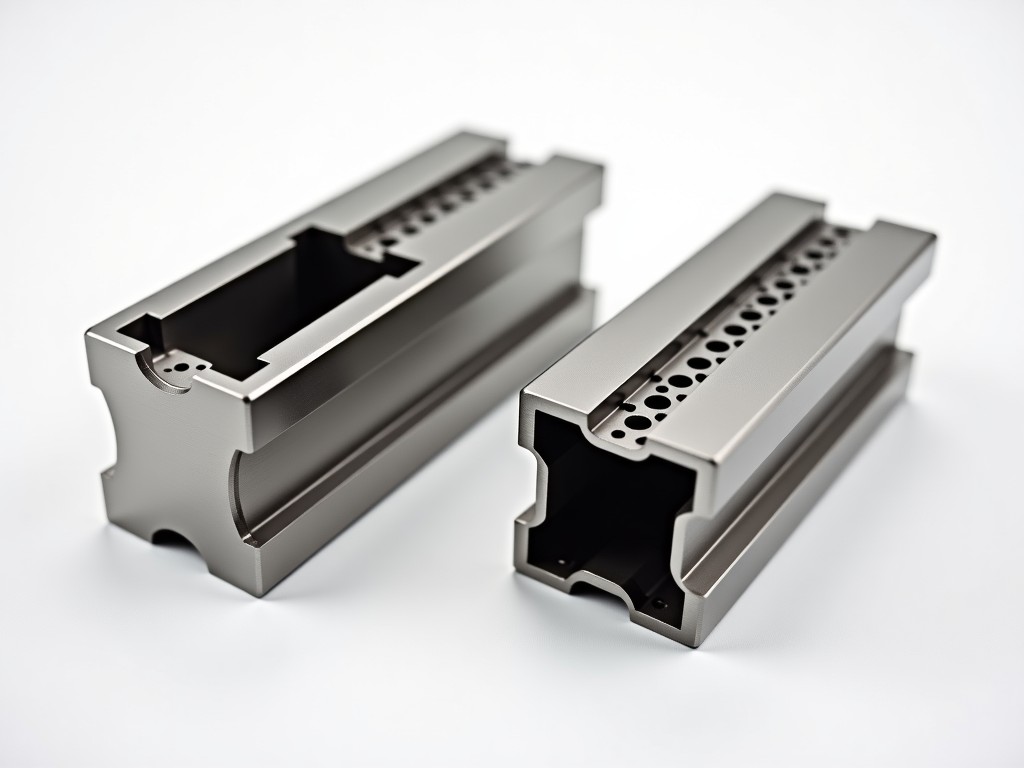
Buy Industrial Die Casting Machine Accessories For Sale
Die casting machines rely on a coordinated set of auxiliary components to maintain cycle consistency, dimensional repeatability, and tooling longevity. This page details the most common accessory
Industrial Die Casting Machine Accessories
Die casting machines rely on a coordinated set of auxiliary components to maintain cycle consistency, dimensional repeatability, and tooling longevity. This page details the most common accessory categories, the engineering rationale behind material choices, and the customization pathways available for OEMs, Tier‑1 suppliers, and high‑volume foundries.
Product Overview
Accessories fall into three functional groups: melt handling, mold interface, and post‑cast processing. Each group addresses a specific failure mode — thermal shock, metal contamination, or ejection wear — that directly influences scrap rate and overall equipment effectiveness (OEE).
- Ladle and shot‑sleeve assemblies — control metal delivery temperature and flow profile.
- Die‑spray and cooling‑line manifolds — regulate die surface temperature to prevent soldering and cracking.
- Ejector pins, bushings, and slide‑core components — ensure reliable part release without surface damage.
Key Accessories and Functions
The table below summarizes typical dimensional ranges, material grades, and service‑life expectations for the most requested accessories. Values are representative; final dimensions are confirmed during the quotation stage.
| Accessory | Typical Size Range | Standard Material | Estimated Service Life (cycles) | Customization Options |
|---|---|---|---|---|
| Shot sleeve (cold‑chamber) | Ø30–120 mm, L 150–500 mm | H13 tool steel, nitrided | 150 k–300 k | Length, bore finish, coating (TiN, DLC) |
| Ladle nozzle | Ø15–80 mm | Ceramic‑bonded SiC | 80 k–120 k | Orifice geometry, refractory liner thickness |
| Die‑spray manifold | Custom port pattern, 1/4–1 in NPT | 316L stainless, electropolished | 200 k+ | Port count, flow‑rate balancing, quick‑connect fittings |
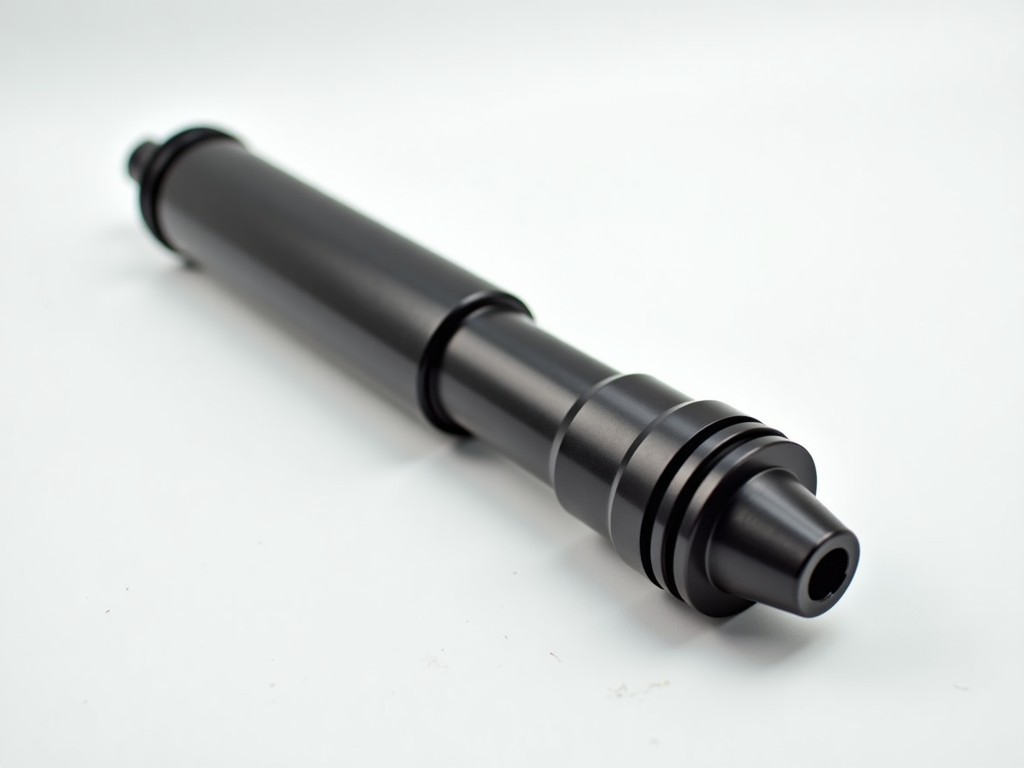
| Ejector pin (hardened) | Ø4–30 mm, L 30–200 mm | SKD61 (H13) 52–55 HRC | 100 k–250 k | Tip geometry, surface coating, length tolerance ±0.02 mm |
| Slide‑core insert | Per die design, up to 300 mm travel | Pre‑hardened 420 SS or 17‑4 PH | 120 k–200 k | Travel length, lock‑angle, wear‑plate integration |
Material Selection Rationale
Material choice is driven by the thermal‑mechanical load profile of each accessory. Shot sleeves experience rapid heating‑cooling cycles; H13 with a nitrided case provides a hard, oxidation‑resistant surface while retaining core toughness. Ladle nozzles operate in a continuously molten environment, making silicon‑carbide ceramics the preferred option for thermal shock resistance and minimal metal wetting. Stainless‑steel manifolds avoid corrosion from water‑based die‑spray fluids and allow easy cleaning. Ejector pins and slide‑core inserts benefit from high‑hardness tool steels or precipitation‑hardening stainless grades to resist adhesive wear and galling.
Customization Capabilities
Most accessories are manufactured to order. The following parameters are routinely tailored to match machine OEM specifications or process‑specific requirements:
- Overall dimensions and tolerance bands (±0.01 mm on critical diameters)
- Surface treatments — nitriding, PVD coatings (TiN, CrN, DLC), electropolishing
- Internal flow‑path geometry for spray manifolds and ladle nozzles
- Integrated sensor ports (thermocouple, pressure transducer)
- Quick‑change mounting features (bayonet, threaded, clamp)
Engineering drawings, 3‑D models (STEP/IGES), or a detailed specification sheet are sufficient to initiate a quote. Prototyping via CNC machining or additive manufacturing is available for validation before full‑scale production.
Quality Assurance and Inspection
Every accessory passes a defined inspection plan before shipment:
- Dimensional verification on CMM (ISO 10360‑2) for critical features
- Hardness testing (Rockwell C or Vickers) on heat‑treated surfaces
- Surface‑finish measurement (Ra) per drawing call‑out
- Non‑destructive examination — ultrasonic or dye‑penetrant for welds and castings
- Functional pressure test for spray manifolds (1.5× design pressure)
Inspection reports are supplied with each lot; full material certificates (EN 10204 3.1) are available on request.
Typical Applications
The accessories listed above are deployed across sectors where die casting cycle stability determines profitability:
- Automotive powertrain housings — high‑volume aluminum and magnesium alloys demand precise shot‑sleeve temperature control to avoid porosity.
- Electronics enclosures — zinc‑alloy thin‑wall parts require repeatable die‑spray cooling to meet tight flatness tolerances.
- Industrial hardware (gearboxes, pump bodies) — long‑run steel‑core dies benefit from hardened ejector pins that reduce downtime for pin replacement.
- Aerospace structural brackets — low‑pressure casting of Al‑Si alloys uses ceramic ladle nozzles to minimize oxide inclusion.
Frequently Asked Questions
- Can dimensions be customized beyond the ranges shown?
- Yes. All critical dimensions are adjustable within machine‑frame limits; provide a sketch or 3‑D model for exact feasibility.
- What information is required before a quotation?
- Machine make/model, accessory type, material preference, required tolerances, coating spec, and annual volume estimate.
- Which materials are available for each accessory?
- Standard grades are listed in the specification table; alternative alloys (e.g., 420 SS, 17‑4 PH, Inconel 718) can be sourced on request.
- How is quality inspected?
- CMM dimensional check, hardness test, surface‑finish measurement, NDE, and pressure test where applicable. Full reports accompany shipment.
- What packaging methods are used for export?
- Vacuum‑sealed anti‑corrosion bags inside wooden crates with foam inserts; desiccant packs and shock‑indicator labels are standard.
- What is the typical production lead time?
- 4–6 weeks for standard accessories after drawing approval; 8–10 weeks for highly customized or coated items.
- How are samples arranged?
- Prototype samples can be produced via CNC or metal‑AM for validation; sample cost is credited against the first production order.
Request a Quote
To receive a detailed quotation, technical data sheet, or sample schedule, submit your requirements through our inquiry form or contact the sales engineering team directly.