Brass Cold Chamber Die Casting Machine Suppliers
Cold‑chamber die casting remains the standard route for brass alloys because the molten metal is ladled into a separate shot sleeve, protecting the injection plunger from the high zinc content that
Brass Cold Chamber Die Casting Machine Suppliers
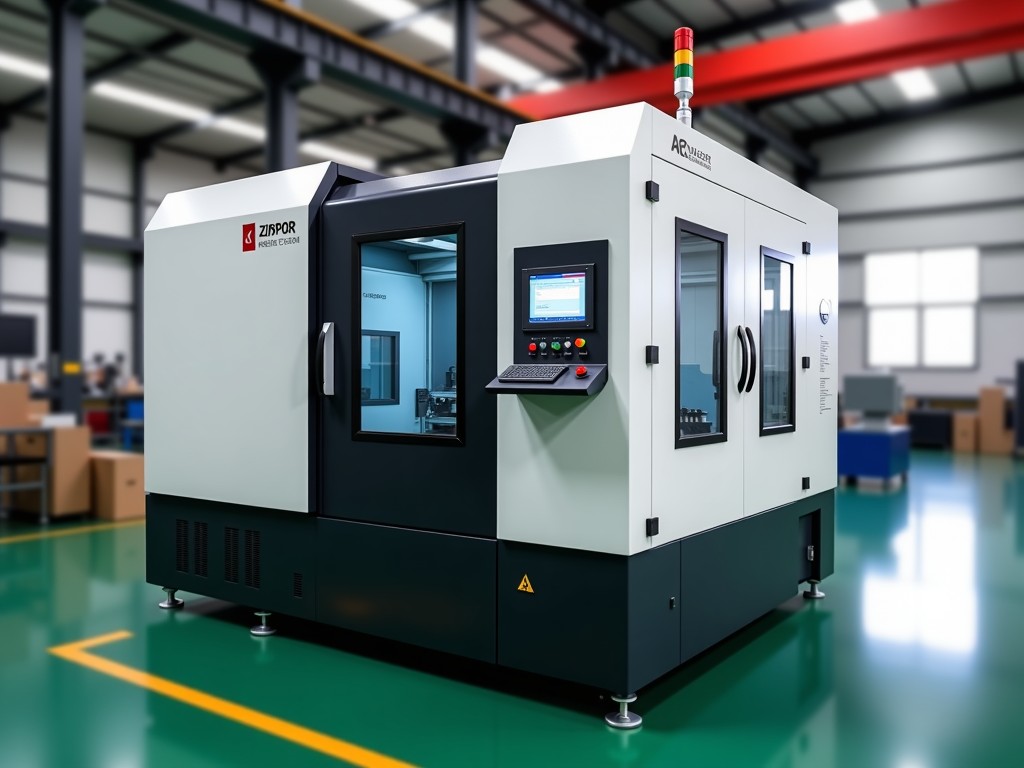
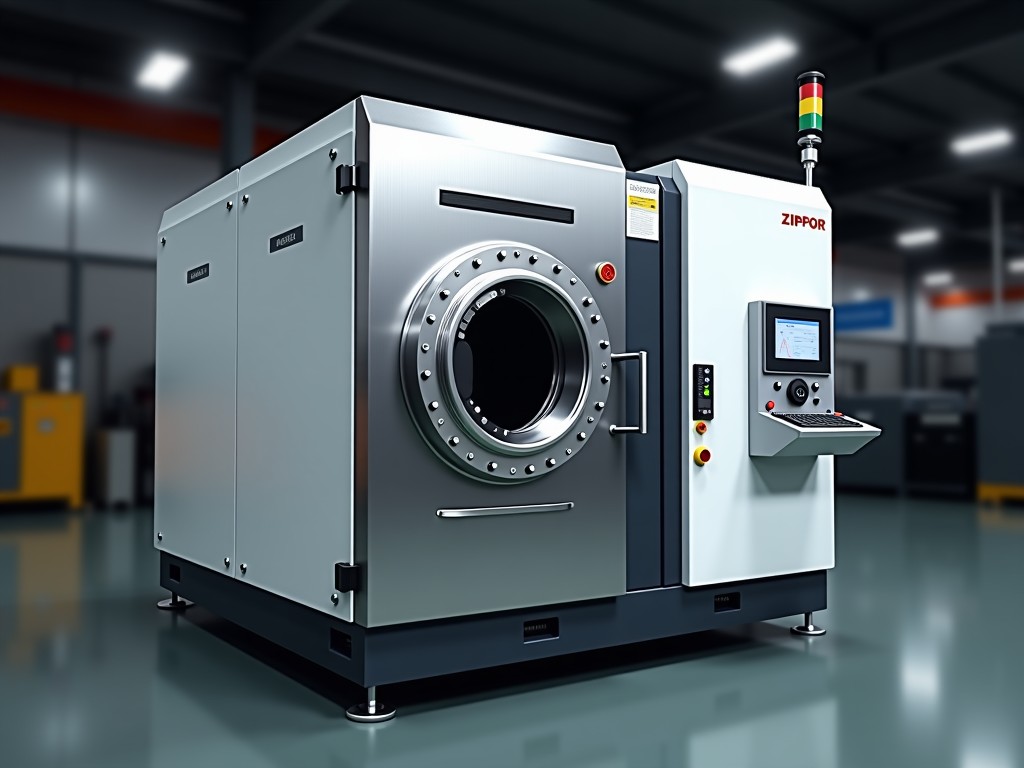
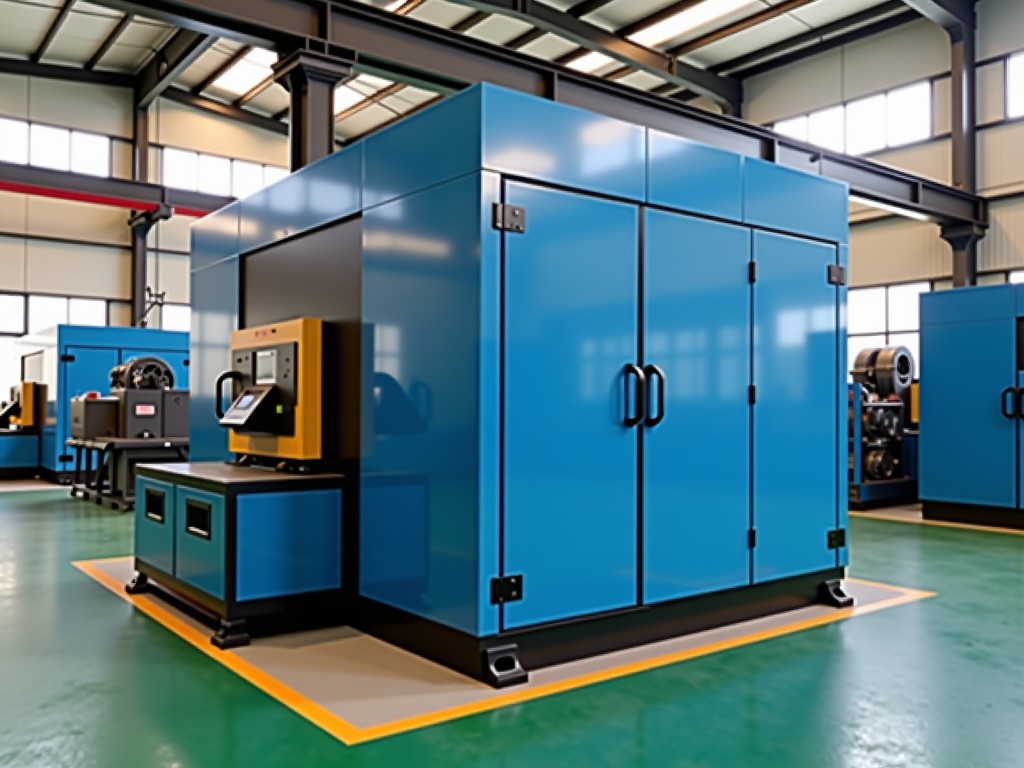
Cold‑chamber die casting remains the standard route for brass alloys because the molten metal is ladled into a separate shot sleeve, protecting the injection plunger from the high zinc content that would otherwise cause rapid wear. Machines built for this process typically combine a robust hydraulic clamping unit with a high‑pressure injection system capable of delivering the fast fill rates required by thin‑walled brass components.
Machine Configurations and Key Specifications
Suppliers generally offer a modular platform where clamping force, shot capacity, and platen dimensions can be matched to the target part weight and projected annual volume. The table below summarizes the most common parameter ranges encountered in the market; exact values are confirmed during the quotation stage.
| Parameter | Typical Range | Notes |
|---|---|---|
| Clamping Force | 1,200 – 4,500 kN | Scaled to projected part projected area |
| Shot Weight (brass) | 0.8 – 6.5 kg | Depends on alloy density and wall thickness |
| Platen Size (L × W) | 600 × 600 mm – 1,200 × 1,200 mm | Custom sizes available on request |
| Injection Pressure | 120 – 250 MPa | Higher pressure improves fill of intricate geometries |
| Cycle Time (dry) | 3.5 – 7.0 s | Includes mold open/close, injection, and ejection |
| Control System | PLC with HMI, optional Industry 4.0 gateway | Data logging for traceability |
Material Compatibility and Process Considerations
Brass alloys such as C36000 (free‑cutting), C37700 (forging), and C46400 (naval) melt between 900 °C and 950 °C. The cold‑chamber arrangement isolates the plunger from this temperature, reducing soldering and extending component life. However, the high zinc vapor pressure demands a well‑vented shot sleeve and a rapid injection profile to minimize porosity.
Suppliers typically provide a heated shot sleeve with temperature control ±5 °C, a ceramic‑coated plunger tip, and an automated ladle system that meters the exact charge weight. These features together keep alloy composition stable from shot to shot, which is critical for parts that must meet tight electrical conductivity or corrosion‑resistance specifications.
Customization Options
- Clamping force upgrades in 300 kN increments
- Shot sleeve diameter and length tailored to part volume
- Integration of robotic part extraction or conveyor loading
- Safety light curtains, two‑hand start, and CE‑marked guarding
- Control interface: standard PLC/HMI, optional SCADA or OPC-UA connectivity
- Optional vacuum assist for ultra‑thin wall sections
Quality Assurance and Inspection
Each machine undergoes a multi‑stage acceptance test before shipment. Hydraulic circuits are pressure‑tested at 1.5 × rated pressure, injection timing is verified with a high‑speed data logger, and a dry‑run cycle is recorded to confirm repeatability within ±0.02 s. Dimensional checks on the platen parallelism and tie‑bar alignment are performed with laser trackers, and the electrical cabinet is inspected for compliance with IEC 60204‑1.
Typical Applications and Industry Fit
Automotive electrical connectors benefit from the high conductivity of brass and the tight tolerances achievable with cold‑chamber machines. Plumbing fittings such as valve bodies and compression nuts require the corrosion resistance of naval brass alloys, which are reliably produced when the injection profile is optimized for low turbulence. In the electronics sector, shielded housings and terminal blocks demand thin walls and fine surface finish — both are attainable when the machine’s high‑pressure injection and fast cycle time are matched to a well‑designed mold.
Procurement Checklist
- Annual production volume and peak‑month demand
- Target brass alloy grade and required mechanical/electrical properties
- Part weight, projected wall thickness, and critical dimensions
- Required tolerance stack‑up and surface finish specification
- Preferred automation level (manual ladle, semi‑auto, fully automatic)
- After‑sales service expectations: spare‑parts stock, remote diagnostics, on‑site training
- Lead time from order confirmation to commissioning
Frequently Asked Questions
Can the clamping force and shot size be customized for a specific project?
Yes. The platform is built on a modular frame; clamping force can be selected in 300 kN steps and the shot sleeve diameter is machined to the exact charge weight required. A detailed specification sheet is prepared after the initial technical discussion.
What information is needed before a formal quotation?
A part drawing (2‑D or 3‑D), alloy designation, annual volume, required cycle time, and any automation or Industry 4.0 integration preferences. With these data points the supplier can size the machine, propose the appropriate injection system, and outline a realistic delivery schedule.
How is machine quality verified before shipment?
Each unit passes hydraulic pressure testing, injection timing validation, dry‑run repeatability measurement, geometric alignment checks, and electrical safety inspection. A test report with recorded data is supplied with the shipment documentation.
What packaging and export protection are provided?
Machines are secured on steel skids, wrapped in VCI‑treated film, and sealed in wooden crates compliant with ISPM‑15. Shock indicators and humidity cards are included for transit monitoring.
What is the typical production lead time?
Standard configurations ship in 10‑12 weeks after order confirmation. Customized units requiring non‑standard platen sizes or specialized automation interfaces may extend to 16‑20 weeks.
Request a Quotation
Ready to discuss your brass die casting requirements? Submit your project details and our engineering team will prepare a tailored proposal including machine sizing, automation options, and a preliminary timeline.
For additional technical resources, visit our die casting machine portfolio.