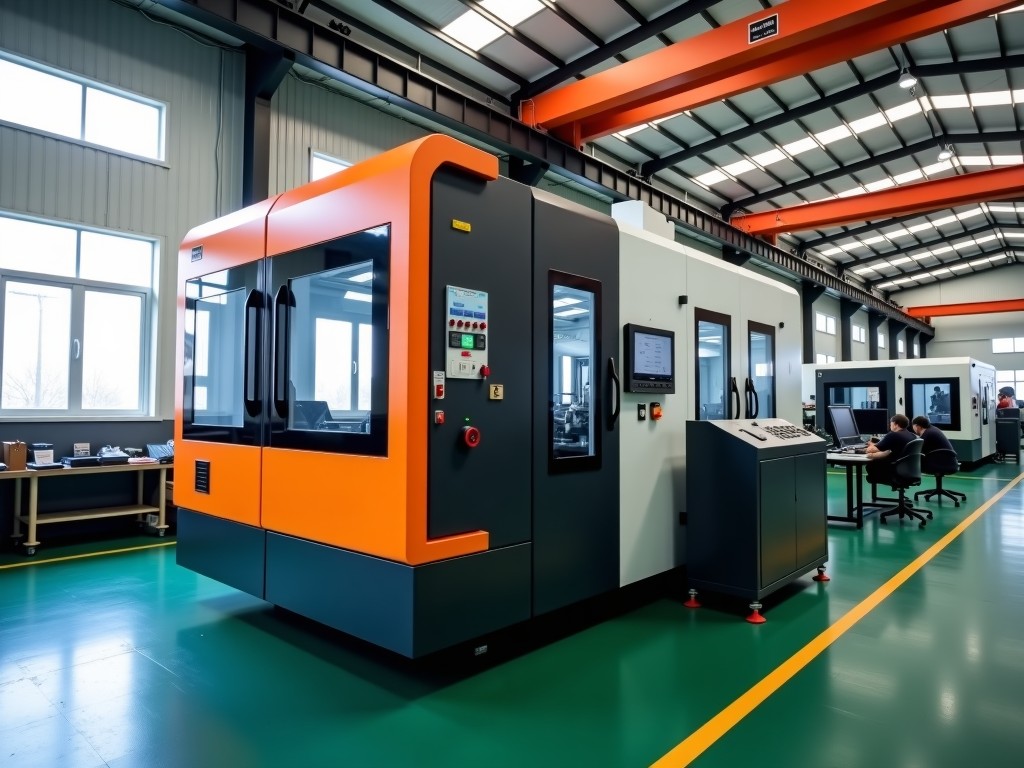
Best Price Fully Automatic Die Casting Machine With Plc Control Exporter
A fully automatic die casting machine integrates melting, injection, cooling, and ejection into a single closed‑loop cycle, reducing operator intervention and cycle‑to‑cycle variation. The PLC‑based
Best Price Fully Automatic Die Casting Machine with PLC Control – Exporter Overview
Overview
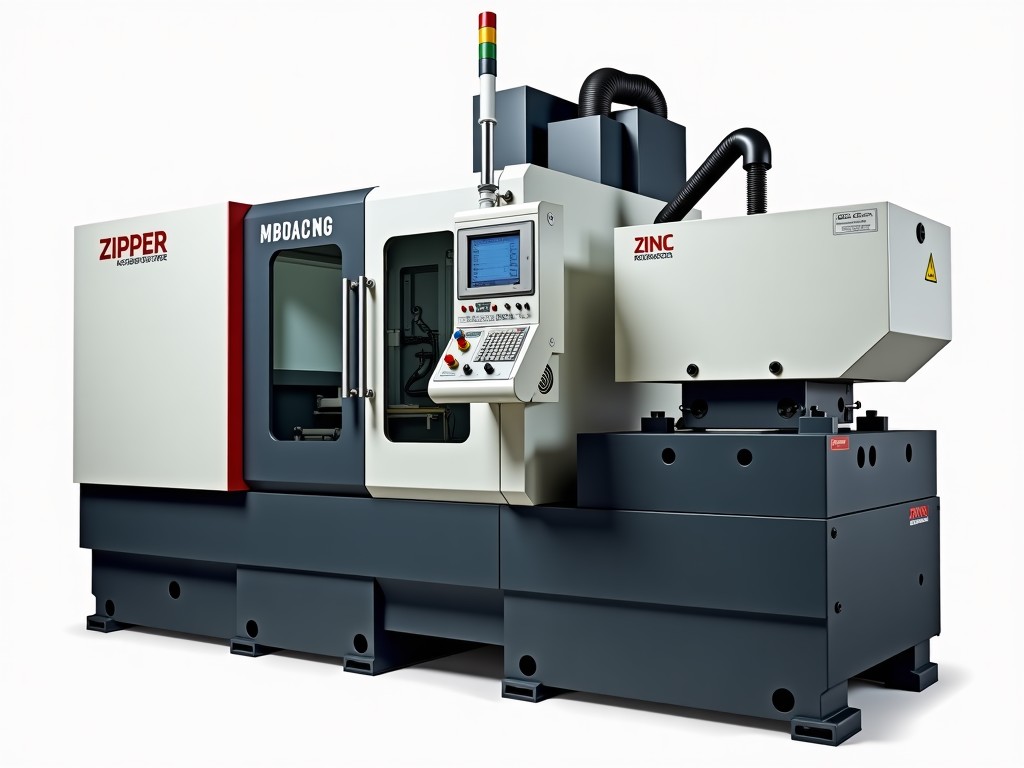
A fully automatic die casting machine integrates melting, injection, cooling, and ejection into a single closed‑loop cycle, reducing operator intervention and cycle‑to‑cycle variation.
The PLC‑based control system coordinates hydraulic pressure profiles, shot velocity, and die temperature in real time, enabling repeatable part quality across high‑volume runs.
As an exporter, the equipment is built to meet international shipping standards, with modular crating, CE‑compatible safety interlocks, and documentation packages ready for customs clearance.
Technical Specifications
The table below lists typical values for a mid‑range 250‑ton class machine; all parameters are customizable according to project requirements.
| Parameter | Typical Value | Customization Range |
|---|---|---|
| Clamping Force | 2500 kN | 1500–4000 kN |
| Maximum Shot Weight (Aluminum) | 12 kg | 5–25 kg |
| Cycle Time (dry cycle) | 3.2 s | 2.5–5.0 s |
| PLC Platform | Siemens S7‑1500 / Allen‑Bradley ControlLogix (selectable) | Customer‑specified |
| Control Axes | 5 (injection, intensification, die close, ejector, core pull) | Up to 8 axes |
| Main Motor Power | 185 kW | 110–250 kW |
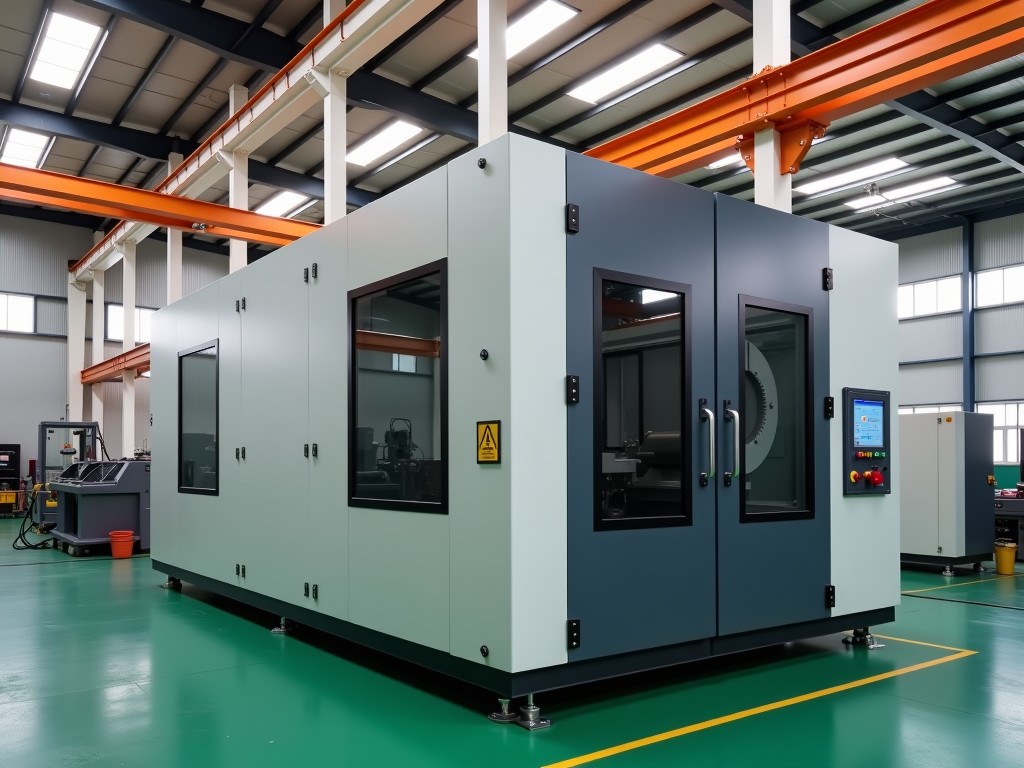
| Overall Dimensions (L×W×H) | 4.2 m × 2.1 m × 2.8 m | Per layout |
| Machine Weight | ≈ 28 t | Per configuration |
PLC Control Architecture
The PLC orchestrates hydraulic proportional valves via high‑speed Ethernet/IP or PROFINET, delivering deterministic scan cycles under 1 ms for critical pressure loops.
Closed‑loop pressure control uses a PID algorithm with feed‑forward compensation based on die temperature sensors, minimizing flash and porosity.
Recipe management stores up to 200 part programs; each recipe includes shot profile, intensification pressure, hold time, and ejection sequence, enabling rapid changeover.
Remote diagnostics are supported through an integrated OPC‑UA server, allowing plant‑level MES to monitor cycle data, alarm history, and energy consumption without additional gateways.
Industry Applications
Automotive structural components such as transmission housings benefit from the machine’s high clamping force and precise shot control, delivering consistent wall thickness and reduced post‑machining.
Consumer electronics housings require thin‑wall capability; the fast cycle time and repeatable intensification pressure produce defect‑free magnesium alloy parts at volumes exceeding 10 k units per shift.
Industrial hardware (valve bodies, pump casings) leverages the multi‑axis core‑pull function to form complex internal passages in a single shot, eliminating secondary assembly steps.
- Automotive – transmission cases, bracket assemblies
- Electronics – laptop chassis, connector housings
- Industrial – valve bodies, pump housings
- Lighting – heat‑sink housings for LED modules
Customization & Integration Options
Buyers can select the PLC brand, HMI screen size (10‑inch to 21‑inch), and fieldbus protocol to match existing plant architecture.
Optional modules include automatic ladle‑pouring system, vacuum‑assist die cavity, and integrated part‑handling robot interface with safety‑rated light curtains.
Die‑change automation (quick‑lock platens, hydraulic die‑clamp) reduces setup time from hours to under 30 minutes for high‑mix production.
- PLC brand & communication protocol
- HMI size and visualization package
- Ladle automation & vacuum assist
- Robot interface & safety light curtains
- Quick‑change die clamping system
Quality Assurance & Testing
Each machine undergoes a factory acceptance test (FAT) covering hydraulic pressure integrity, PLC logic verification, and a 200‑cycle production run with statistical process control (SPC) data capture.
Dimensional inspection of critical components (tie‑bars, platens, shot sleeve) follows ISO 2768‑mK tolerances; material certificates for structural steel are provided on request.
Electrical cabinets are tested for dielectric withstand (2.5 kV) and insulation resistance (>100 MΩ) per IEC 60204‑1.
A one‑year warranty covers major hydraulic and control components; extended service contracts are available.
Packaging, Shipping & Export Documentation
Machines are disassembled into transportable modules (base frame, injection unit, hydraulic power pack, control cabinet) and secured in fumigated wooden crates with shock‑absorbing foam inserts.
Standard export paperwork includes commercial invoice, packing list, certificate of origin, CE declaration of conformity, and a bill of lading prepared for FOB, CIF, or EXW terms.
Optional on‑site installation supervision and commissioning support can be arranged through the exporter’s global service network.
Frequently Asked Questions
- Can the machine dimensions be customized to fit an existing plant layout?
- Yes. Frame length, height, and footprint are adjustable within the customization range shown in the specifications table.
- What information is required before a formal quotation?
- Target alloy, annual volume, part weight, required cycle time, preferred PLC brand, and any special safety or environmental standards.
- Which die‑casting alloys are compatible?
- Aluminum (A380, ADC12), magnesium (AZ91D), and zinc (Zamak 3/5) are standard; other alloys can be evaluated on request.
- How is quality inspected during production?
- In‑process monitoring includes shot pressure curves, die temperature logs, and part weight sampling; SPC reports are generated automatically by the PLC.
- What packaging methods protect the machine during sea freight?
- Fumigated wooden crates, vapor‑corrosion inhibitor (VCI) film, and custom‑fit foam bracing are standard; container loading plans are provided.
- What is the typical production lead time?
- 12–16 weeks from order confirmation for a standard configuration; custom PLC integration may add 2–4 weeks.
- How are samples arranged for evaluation?
- Prototype runs can be scheduled at the factory; sample parts, process data, and inspection reports are shipped with the machine or separately via air freight.
Our engineering team will review your requirements and respond within one business day.