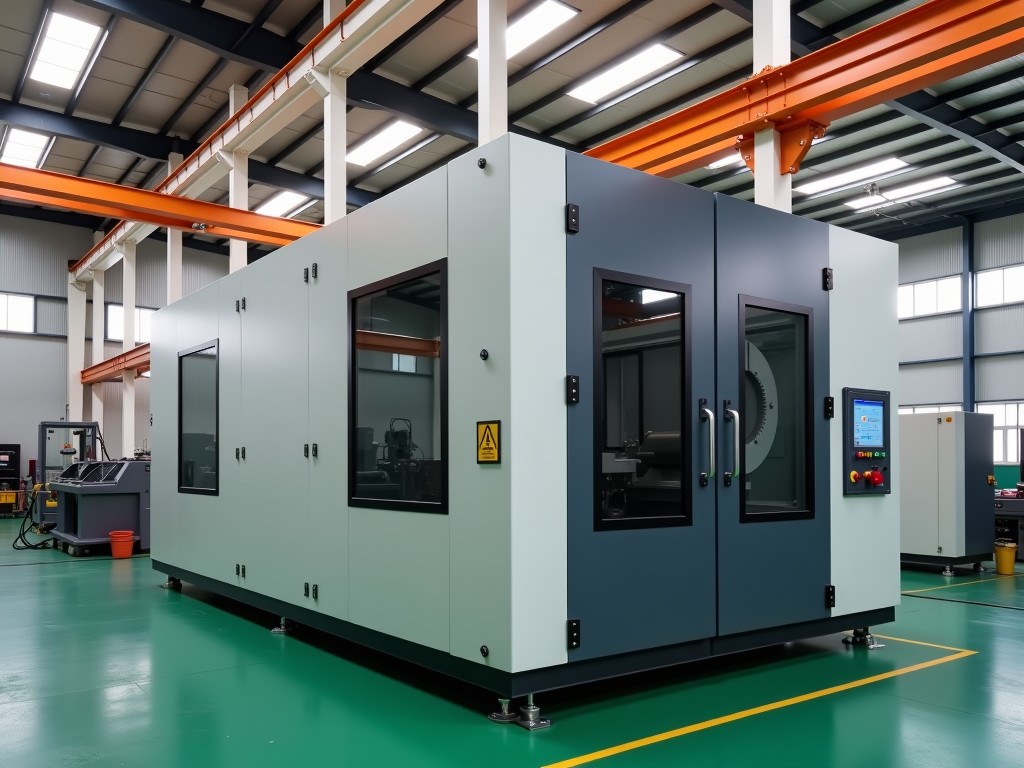
Automatic Cold Chamber Die Casting Machine Company
Automatic cold chamber die casting machines are engineered for alloys with high melting points such as aluminum, magnesium, and copper‑based materials. The molten metal is ladled into a shot sleeve
Automatic Cold Chamber Die Casting Machine Company
Automatic cold chamber die casting machines are engineered for alloys with high melting points such as aluminum, magnesium, and copper‑based materials. The molten metal is ladled into a shot sleeve outside the machine, then forced into the die by a hydraulically or servo‑driven plunger, minimizing thermal shock to the injection system.
Because the injection chamber remains at near‑room temperature, tooling life extends and cycle times stay consistent even during prolonged production runs. This architecture is preferred when part geometry demands tight dimensional control and when the alloy’s reactivity would degrade a hot‑chamber system.
Technical Overview
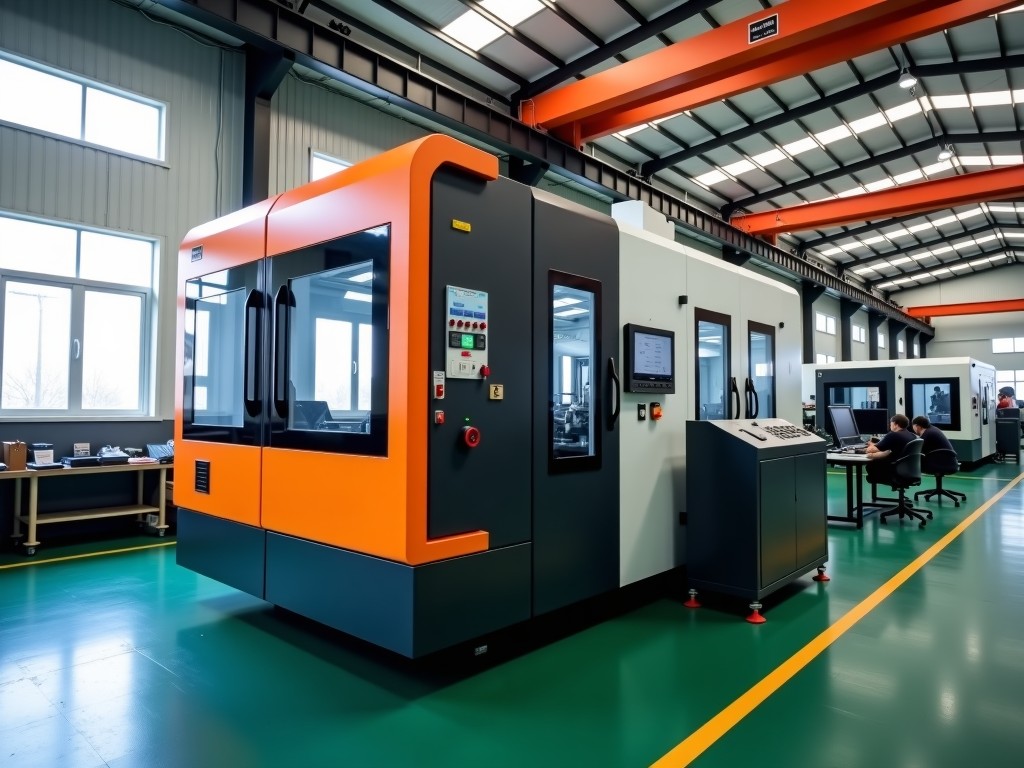
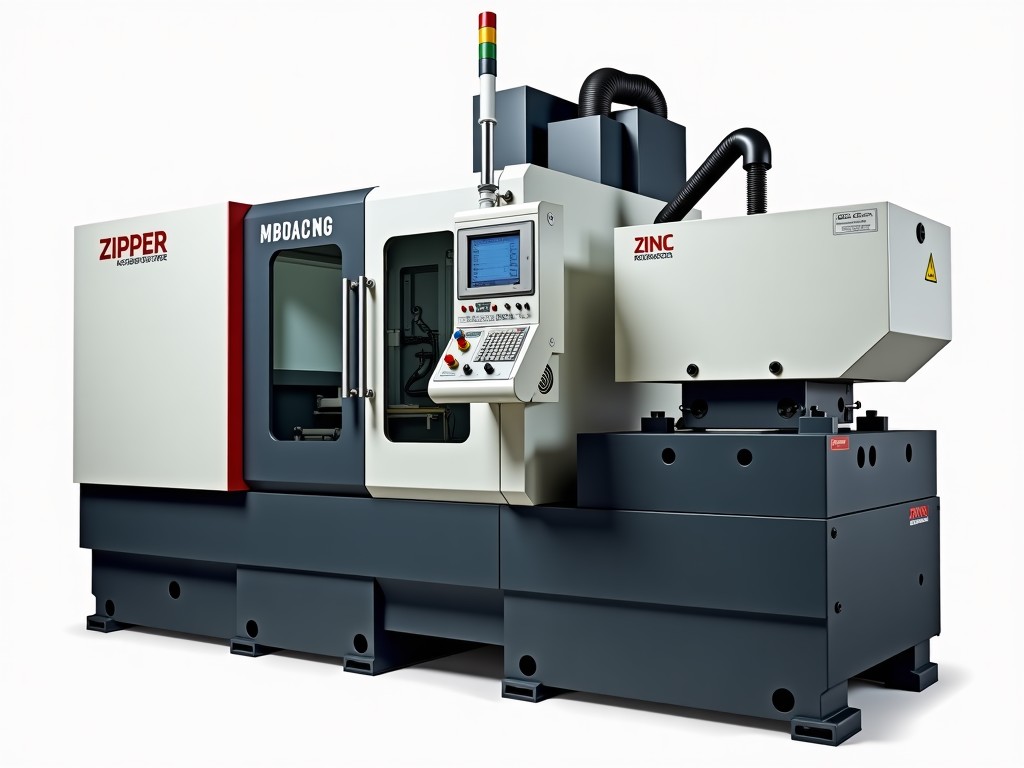
The machine consists of three core subsystems: a high‑rigidity clamping unit, a precision injection unit, and an integrated control platform. The clamping unit uses a four‑toggle or direct‑drive mechanism to deliver repeatable locking forces from 1,200 kN up to 6,500 kN, accommodating die sizes up to 1,200 mm × 1,200 mm.
Injection is driven by a closed‑loop servo motor coupled to a ball‑screw, providing shot‑weight control within ±0.3 % and velocity profiles programmable per cavity. Real‑time pressure and position feedback enable adaptive fill strategies that reduce porosity in thin‑wall sections.
A PLC‑based HMI with Ethernet/IP and OPC UA connectivity coordinates cycle sequencing, temperature management, and safety interlocks. Data logging of each shot supports traceability and statistical process control without external software.
Key Specifications
| Parameter | Typical Range | Notes |
|---|---|---|
| Clamping Force | 1,200 – 6,500 kN | Selectable per project |
| Maximum Shot Weight (Al) | 0.5 – 12 kg | Depends on plunger diameter |
| Injection Pressure | Up to 1,200 bar | Servo‑controlled profile |
| Die Height (max) | 600 mm | Customizable on request |
| Cycle Time (dry) | 3 – 7 s | Varies with part complexity |
| Control System | PLC + HMI, OPC UA | Supports Industry 4.0 integration |
Design Features
- Servo‑driven injection with programmable velocity/pressure curves for each cavity.
- Modular shot sleeve and plunger assemblies enable rapid alloy changeover.
- Closed‑loop die temperature control using zone‑specific water/oil circuits.
- Energy‑recovery hydraulic accumulator reduces peak power demand by up to 15 %.
- Integrated safety light curtains and dual‑channel emergency stop compliant with ISO 13849‑1 PL d.
These features collectively lower scrap rates, shorten set‑up time, and provide a data‑rich environment for continuous improvement initiatives.
Application Scenarios
Automotive structural components such as suspension knuckles and cross‑members benefit from the machine’s high clamping force and repeatable shot weight, delivering the tensile strength required for crash‑critical parts.
Aerospace bracket housings made from high‑strength aluminum alloys demand low porosity and tight dimensional tolerances; the adaptive fill profiles and real‑time pressure monitoring meet those standards.
Electronics enclosures in magnesium alloys require thin‑wall capability and excellent surface finish. The servo injection’s fine velocity control eliminates cold‑shut defects common in conventional hydraulic machines.
Industrial machinery gearboxes and pump housings leverage the large die envelope and quick changeover to support low‑volume, high‑mix production schedules.
Customization Options
Each machine can be configured to match specific project requirements. Typical customization points include:
- Clamping force and platen size to suit die dimensions.
- Shot sleeve diameter and plunger stroke for targeted alloy weight.
- Control platform selection: Siemens S7‑1500, Allen‑Bradley ControlLogix, or proprietary PLC.
- Automation interfaces: robot loading/unloading, conveyor integration, vision inspection.
- Safety packages: category 4 safety PLC, area scanners, guarded access doors.
Engineering consultation is available to define the optimal configuration before order placement.
Quality Assurance
Every unit undergoes a multi‑stage verification process. Dimensional inspection of critical machine frames uses laser trackers with ±0.02 mm accuracy. Hydraulic and servo subsystems are tested at 110 % rated pressure and torque to confirm margin.
Metallurgical sampling of cast trial parts verifies microstructure, porosity levels, and mechanical properties against customer specifications. Process data from the control system is archived for a minimum of 12 months, enabling traceability audits.
Documentation includes a full Factory Acceptance Test (FAT) report, CE declaration of conformity, and optional third‑party certification (e.g., TÜV) upon request.
Frequently Asked Questions
Can the machine dimensions be customized?
Yes. Platen size, tie‑bar spacing, and overall footprint can be tailored to fit existing floor layouts and die dimensions.
What information is required before a quotation?
Typical data includes target alloy, part weight, projected annual volume, die dimensions, required cycle time, and any automation integration needs.
Which alloys can be processed?
The cold chamber design accommodates aluminum, magnesium, copper, and selected zinc‑based alloys. Specific alloy grades are confirmed during the engineering review.
How is quality inspected during production?
In‑line sensors capture injection pressure, plunger position, and die temperature per shot. Offline CMM and X‑ray inspection of sample parts validate dimensional and internal integrity.
What packaging methods are used for export shipment?
Machines are secured on steel skids, wrapped in VCI film, and placed in seaworthy wooden crates with shock‑absorbing padding. Custom packaging per Incoterms is available.
What is the typical production lead time?
Standard configurations ship within 12–16 weeks after order confirmation. Customized units may require 20–28 weeks depending on engineering complexity.
Ready to Discuss Your Project?
Our engineering team can provide a detailed proposal, layout drawings, and a preliminary ROI analysis based on your production targets.
Request a Quote | View Product Catalog | See Case Studies