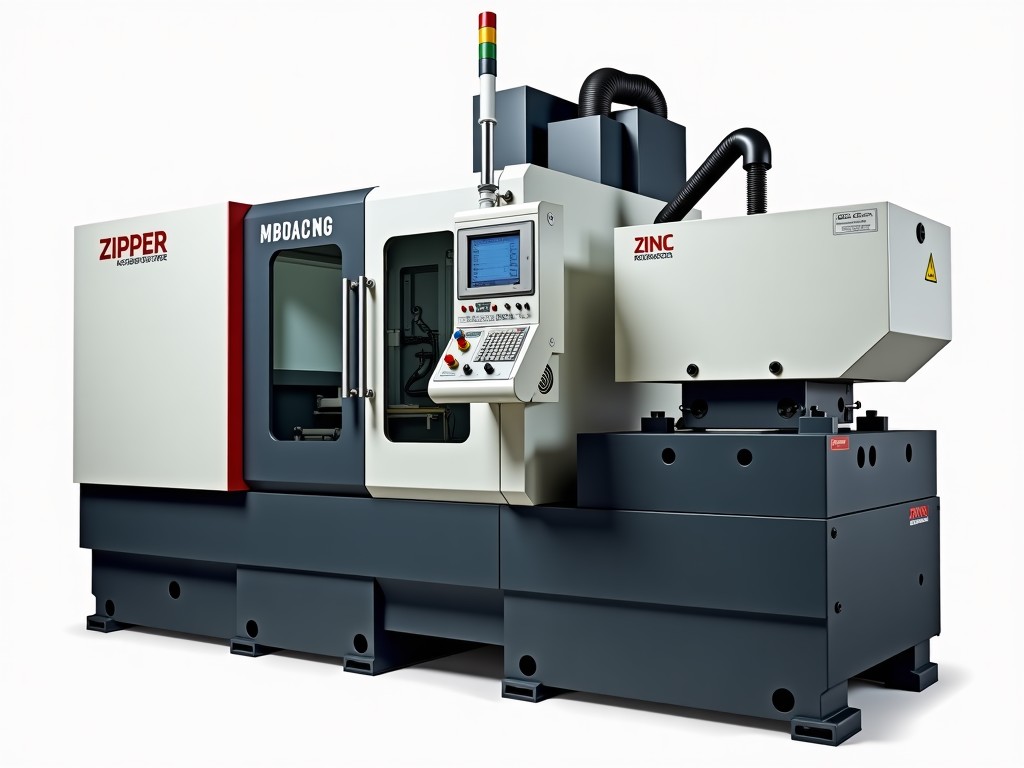
Affordable Aluminum Alloy Die Casting Machine For Sale
This page outlines the engineering basis, typical specifications, and purchasing considerations for a cost‑effective die casting platform designed around aluminum alloys. The information is intended
Affordable Aluminum Alloy Die Casting Machine for Sale
This page outlines the engineering basis, typical specifications, and purchasing considerations for a cost‑effective die casting platform designed around aluminum alloys. The information is intended for procurement engineers, OEM buyers, and distributors who need a clear technical picture before requesting a quotation.
Machine Architecture and Core Components
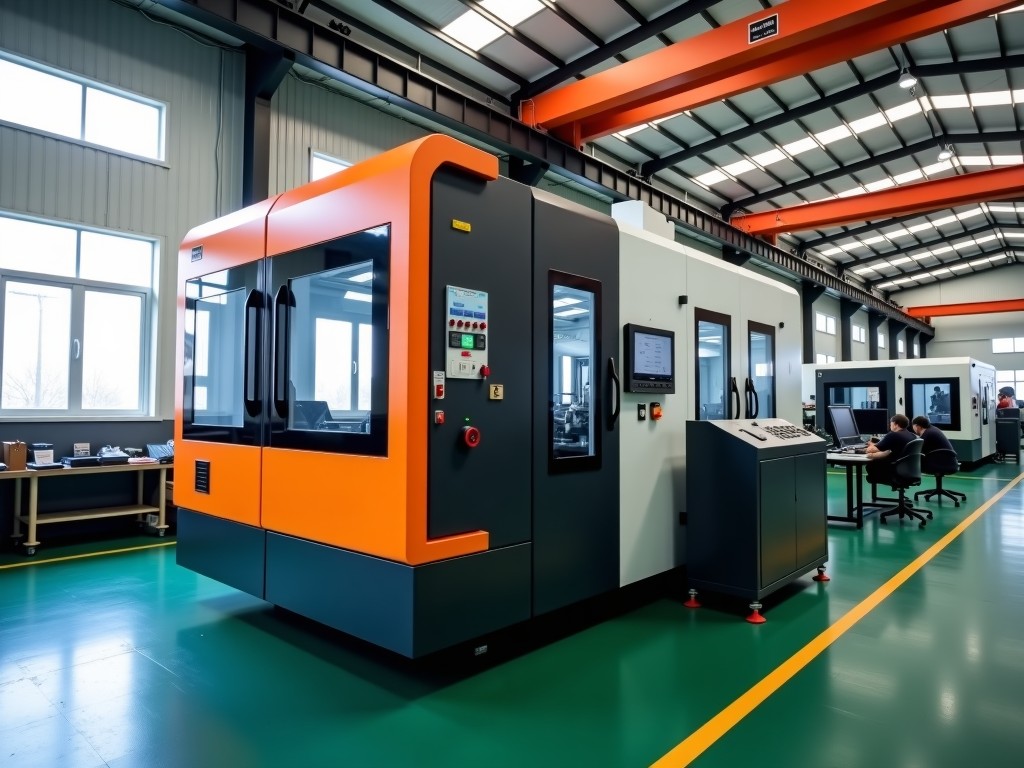
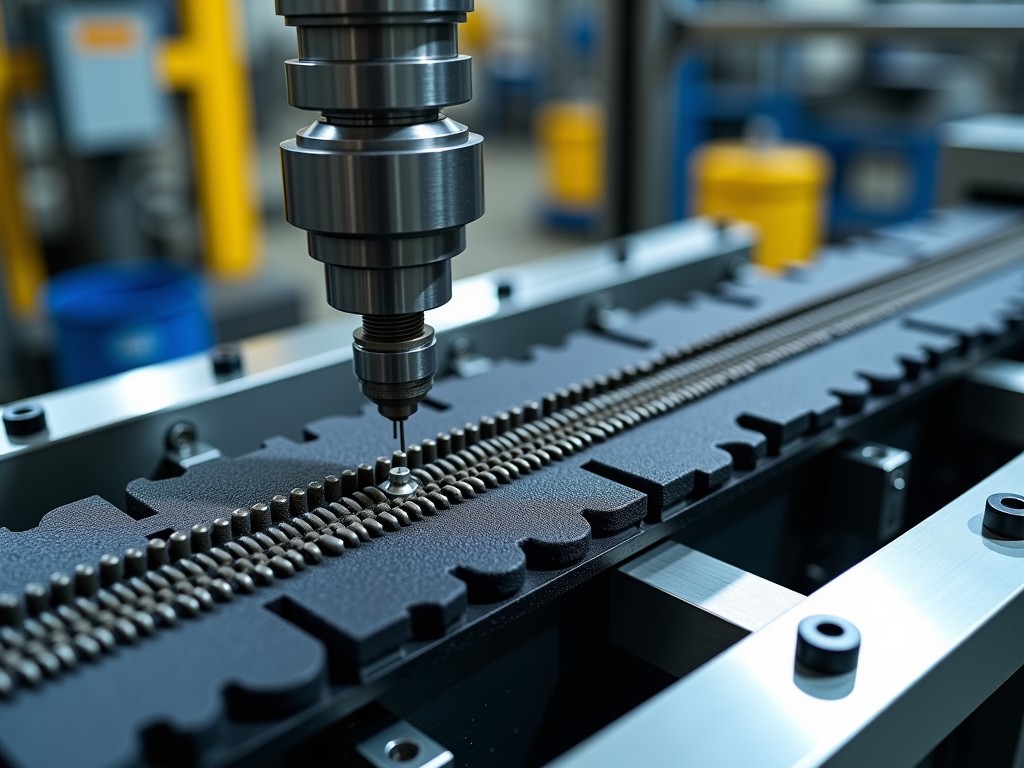
The frame is built from a welded steel box‑section that provides rigidity comparable to heavier machines while keeping the overall weight manageable for shop‑floor relocation. A servo‑driven shot‑end delivers repeatable injection velocities from 0.5 m/s to 5 m/s, allowing the same cell to run thin‑wall housings and thicker structural brackets without mechanical change‑over.
Clamping force is generated by a hydraulic toggle system rated at 250 kN, with a programmable pressure curve that reduces peak loads on the die during the initial fill stage. The die‑height adjustment uses a motorized screw with 0.01 mm resolution, enabling quick setup for different cavity depths.
Typical Technical Specifications
| Parameter | Typical Value (Customizable) |
|---|---|
| Clamping Force | 250 kN (adjustable 180–300 kN) |
| Shot Weight (Al alloy) | 0.8–2.5 kg |
| Injection Pressure | Up to 150 MPa |
| Platen Size (W×L) | 600 mm × 600 mm (optional 700 mm) |
| Cycle Time (typical) | 12–18 s (depends on part geometry) |
| Control System | PLC + HMI, EtherCAT I/O, data logging |
| Power Supply | 380 V / 50 Hz, 3‑phase, 45 kW |
| Footprint (L×W×H) | 2.2 m × 1.6 m × 2.0 m |
Key Functional Advantages
- Servo‑controlled injection eliminates the pressure spikes typical of purely hydraulic shot ends, reducing die wear.
- Modular die‑change interface (standard 4‑bolt pattern) cuts change‑over time to under 15 minutes for most cavity sets.
- Integrated melt‑temperature monitoring with closed‑loop PID keeps alloy viscosity within ±2 °C of setpoint.
- Energy‑recovery hydraulic accumulator lowers peak power demand by roughly 18 % compared with conventional units.
- Open‑protocol OPC‑UA interface simplifies integration into Industry 4.0 data pipelines.
Typical Application Scenarios
Because the machine handles a wide shot‑weight window, it fits both high‑volume consumer‑electronics housings (thin walls, rapid cycles) and lower‑volume automotive brackets that require higher injection pressures. The servo shot end also supports semi‑solid metal (SSM) processing for components demanding reduced porosity.
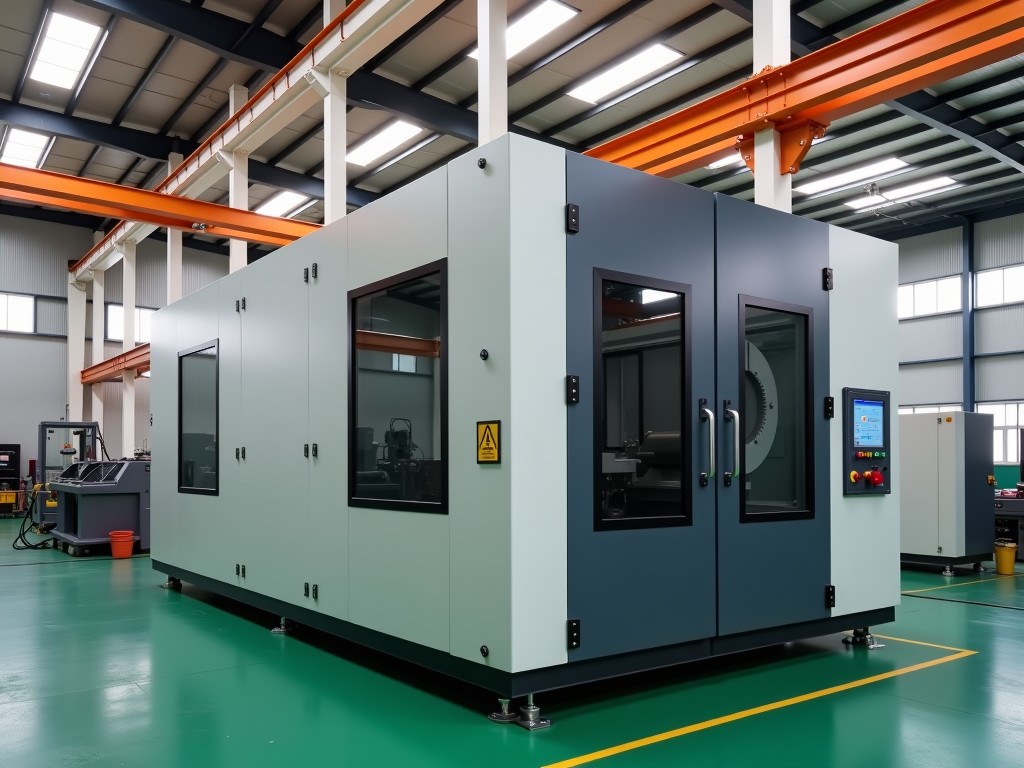
Medical‑device manufacturers benefit from the clean‑room compatible enclosure option, which adds HEPA filtration and stainless‑steel splash guards without altering the core kinematics.
Quality Assurance and Inspection
Each unit undergoes a factory acceptance test (FAT) that records shot‑profile repeatability, clamp‑force linearity, and temperature stability over a 30‑minute run. Results are supplied as a PDF report; a full statistical process control (SPC) dataset is available on request.
Critical wear items — shot sleeve, plunger tip, and toggle bushings — are supplied with a 12‑month or 500 k cycles warranty, whichever occurs first. Replacement parts are stocked in regional depots to keep lead times under two weeks.
Customization Options
- Platen size extension to 700 mm for larger die sets.
- Dual‑shot capability (sequential injection of two alloys) with a second servo shot end.
- Automated ladle or robotic pour system for unattended operation.
- Clean‑room enclosure class ISO 7 with integrated ionizer.
- Alternative control platforms (Siemens S7‑1500, Allen‑Bradley ControlLogix) on request.
Frequently Asked Questions
Can the machine be configured for a specific alloy such as A380 or ADC12?
Yes. The melt‑holding furnace and shot‑end temperature zones are programmed per alloy datasheet; the control recipe stores up to 20 alloy profiles.
What information is needed before a formal quotation?
Typical part weight, projected annual volume, required cycle time, die dimensions, and any special environmental or certification requirements.
How is the equipment shipped and protected for export?
Machines are secured on a steel skid, wrapped in VCI film, and placed in a fumigated wooden crate compliant with ISPM‑15. Shock indicators are attached for transit monitoring.
What is the typical production lead time after order confirmation?
Standard configurations ship in 8–10 weeks; customized builds add 3–5 weeks depending on the scope of modifications.
Next Steps
If the specifications align with your project, the fastest path is to share the part drawing and volume forecast. Our application engineers will return a detailed layout, cycle‑time simulation, and a formal quote within two business days.
Request a quotation | Download technical datasheet | Schedule a virtual demo