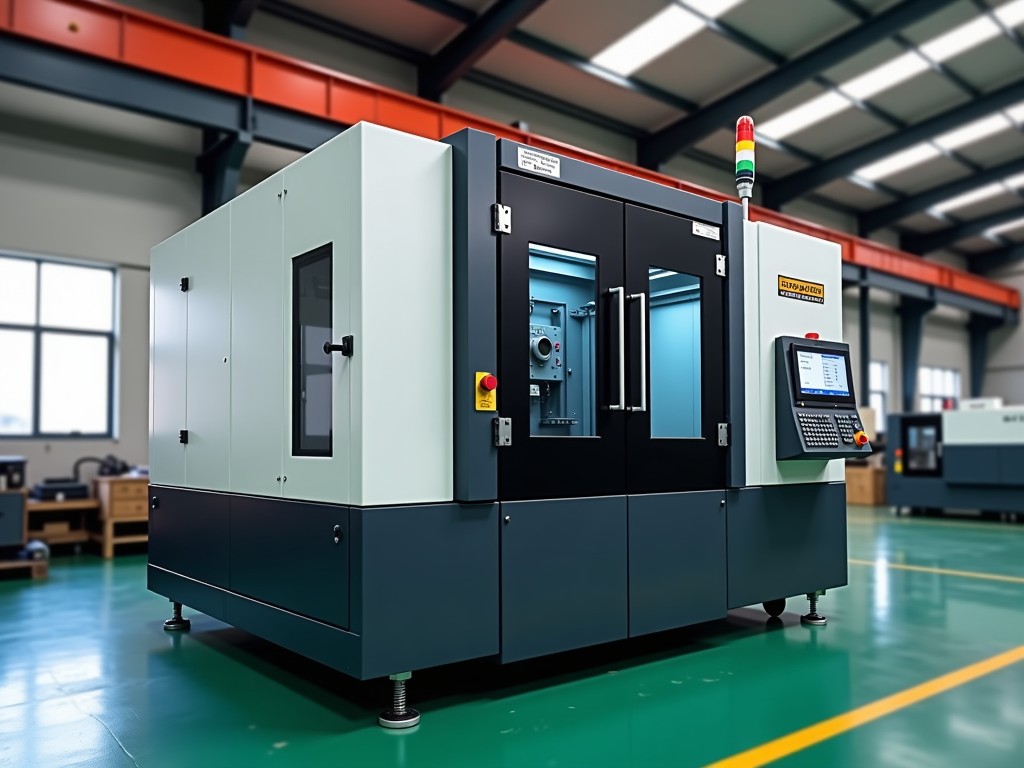
Wholesale Servo Hot Chamber Die Casting Machine Factory
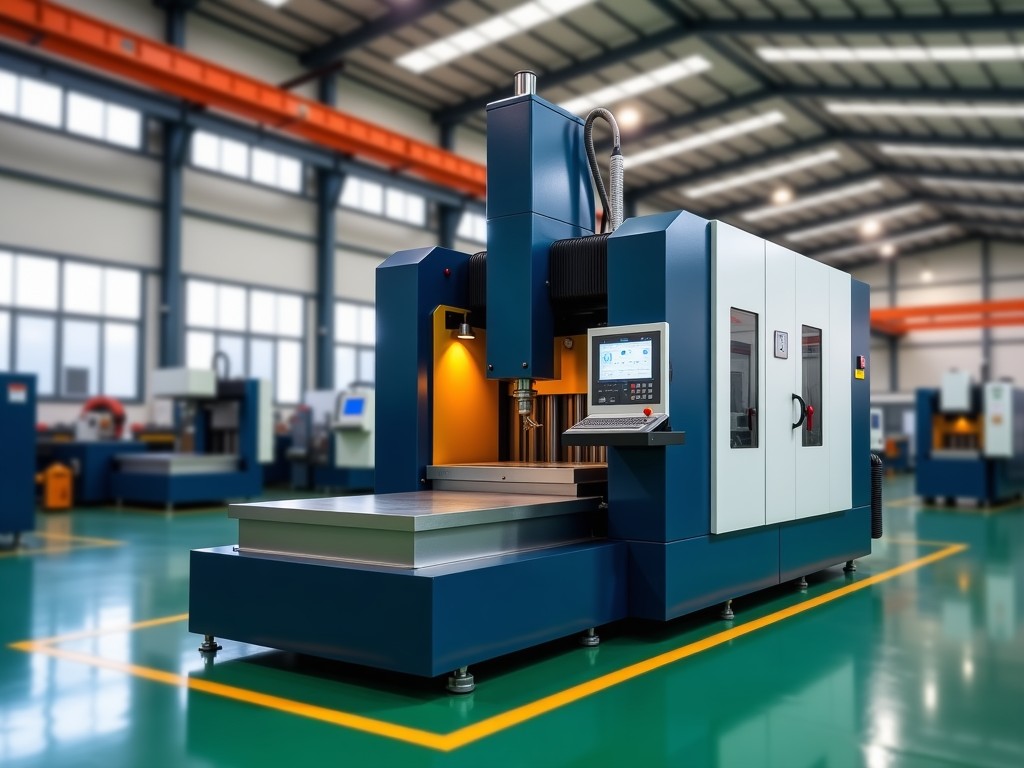
Servo‑driven hot‑chamber die casting machines combine precise injection control with rapid cycle capability, making them suitable for high‑volume zinc, magnesium, and tin‑based alloy production. This
Wholesale Servo Hot Chamber Die Casting Machine Factory
Servo‑driven hot‑chamber die casting machines combine precise injection control with rapid cycle capability, making them suitable for high‑volume zinc, magnesium, and tin‑based alloy production. This page outlines the technical basis, customization pathways, and quality verification steps that support informed procurement decisions.
Technical Specifications
| Parameter | Typical Value |
|---|---|
| Clamping Force | 1200–2500 kN (customizable) |
| Shot Weight | 0.5–5 kg (adjustable) |
| Injection Speed | 0–10 m/s (servo‑controlled) |
| Mold Temperature Control | ±2 °C stability via oil‑circuit |
| Cycle Time | 3–8 s depending on part geometry |
| Power Supply | 380 V / 3‑phase / 50 Hz (or 60 Hz on request) |
Key Engineering Features
The servo‑driven injection system replaces traditional hydraulic valves, delivering repeatable velocity profiles and reducing energy consumption by up to 30 % compared with comparable hydraulic units.
A closed‑loop pressure transducer monitors cavity pressure in real time, enabling automatic shot‑weight correction without operator intervention.
- Modular frame allows rapid change‑over between hot‑chamber and cold‑chamber configurations.
- Integrated oil‑cooling circuit maintains mold temperature within ±2 °C, critical for thin‑wall zinc and magnesium alloys.
- Safety‑rated light curtains and dual‑channel emergency stop meet CE and ISO 12100 requirements.
Typical Applications & Why They Fit
Automotive connector housings benefit from the machine’s fast cycle and precise shot control, reducing flash and secondary machining.
Consumer‑electronics zinc alloy casings require the tight temperature stability the oil‑circuit provides, preventing solder‑joint defects during over‑molding.
Medical‑device magnesium components demand repeatable wall thickness; the servo injection profile eliminates pressure spikes that cause porosity.
Customization Options
Clamping force, shot capacity, and injection speed can be tailored to the specific alloy and part geometry. Control software supports user‑defined ramp curves and data logging for traceability.
- Additional safety interlocks for clean‑room environments.
- Optional robotic part‑extraction interface (EUROMAP 67 compatible).
- Choice of PLC platform (Siemens S7‑1500, Allen‑Bradley ControlLogix, or Mitsubishi MELSEC).
Quality Assurance & Inspection
Every unit undergoes a 48‑hour run‑in at rated load, with cavity pressure, temperature, and cycle‑time logged. Dimensional checks on critical castings are performed on a CMM with ±0.02 mm tolerance.
Material certificates for the frame steel (S355J2) and servo motors (IE3 efficiency class) are supplied on request.
Frequently Asked Questions
- Can the machine dimensions be customized to fit an existing cell?
- Yes. Frame length, height, and base mounting pattern are adjustable within the structural limits of the selected clamping force.
- What information is needed for a quotation?
- Target alloy, part weight, projected annual volume, required cycle time, and any special safety or automation interfaces.
- Which alloys are compatible?
- Zinc (ZA‑8, ZA‑12), magnesium (AZ91D, AM60B), and lead‑free tin‑based alloys. Other alloys evaluated case‑by‑case.
- How is quality inspected before shipment?
- Run‑in test, pressure‑profile verification, dimensional CMM check, and functional safety test. Test reports accompany each machine.
- What packaging and export protection are used?
- Machines are secured on steel skids, wrapped in VCI film, and placed in seaworthy wooden crates with shock‑absorbing corner protectors.
- Typical production lead time?
- 8–12 weeks for standard configurations; 12–16 weeks when custom PLC or frame modifications are required.
Request a Quote or Technical Discussion
Provide your part specifications and volume forecast, and our application engineers will return a detailed proposal within two business days.
Submit Inquiry