Wholesale Hot Chamber Die Casting Machine For Hardware Parts Factory
Hot‑chamber die casting remains the preferred route for high‑volume production of zinc, magnesium and low‑melting‑point alloys used in hardware components such as brackets, handles, and fasteners.
Wholesale Hot Chamber Die Casting Machine for Hardware Parts Factory
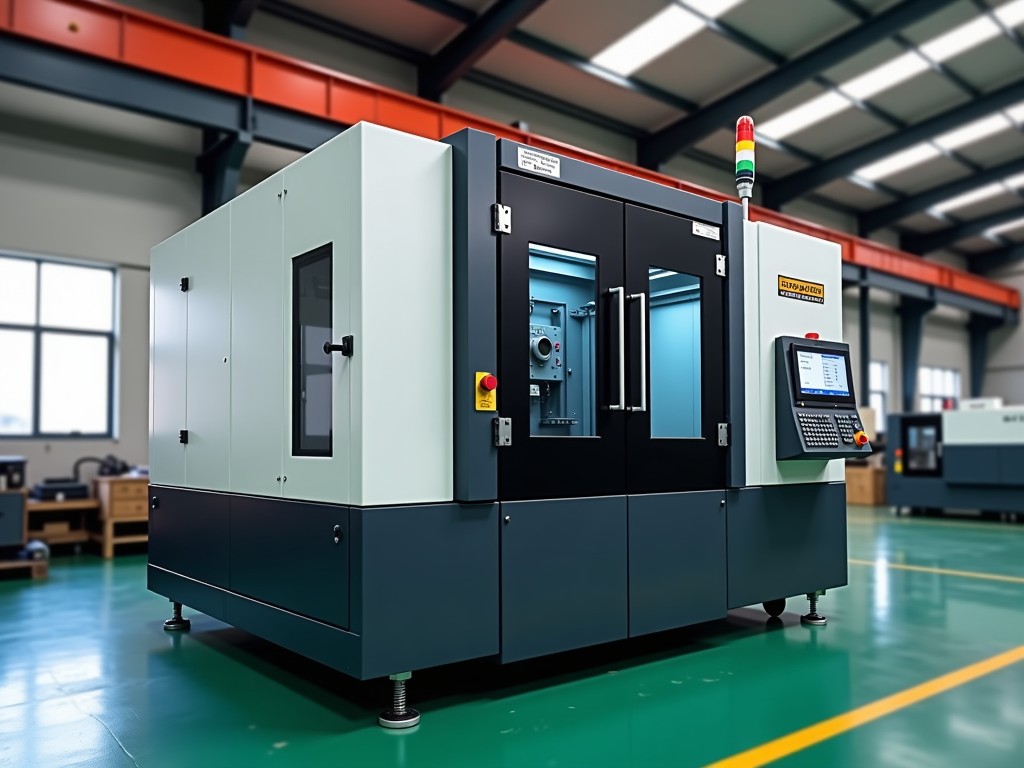
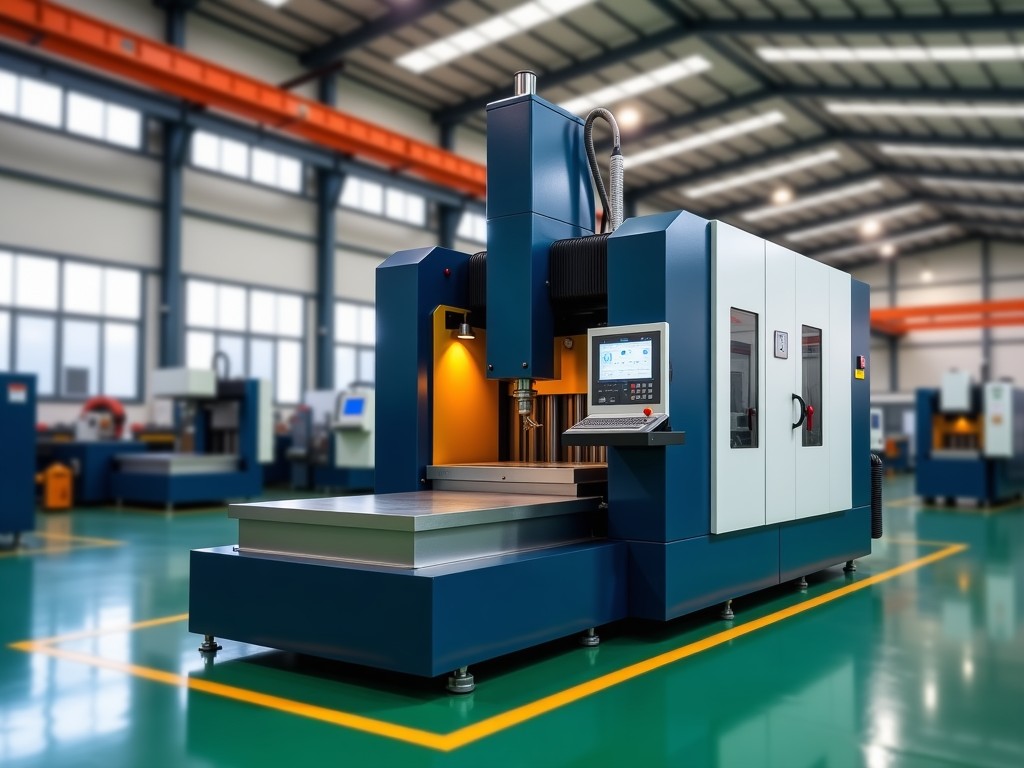
Hot‑chamber die casting remains the preferred route for high‑volume production of zinc, magnesium and low‑melting‑point alloys used in hardware components such as brackets, handles, and fasteners. The machine described here integrates a heated gooseneck, a precision‑controlled plunger, and a closed‑loop hydraulic system to deliver repeatable shot weights from 30 g to 250 g with cycle times under 2 seconds.
Designed for continuous three‑shift operation, the frame uses a stress‑relieved cast iron base that minimizes vibration transfer to the mold. A modular PLC with EtherCAT I/O enables rapid recipe changes, while an integrated data logger records injection pressure, plunger velocity, and mold temperature for traceability.
Technical Specifications
| Parameter | Typical Value | Notes |
|---|---|---|
| Clamping force | 120 t (adjustable 80‑150 t) | Hydraulic toggle with proportional valve |
| Shot weight range | 30‑250 g | Dependent on alloy and mold design |
| Maximum injection pressure | 1,200 bar | Servo‑driven accumulator |
| Cycle time (dry cycle) | 1.6 s | Includes mold open/close, injection, and ejection |
| Mold mounting area | 450 mm × 450 mm | Standard DIN 1686 pattern, customizable |
| Installed power | 45 kW (380 V/50 Hz, 3‑phase) | Includes heater, hydraulics, and control |
| Control platform | Siemens S7‑1500 PLC, HMI 15″ touchscreen | EtherCAT I/O, OPC-UA ready |
| Cooling system | Closed‑loop water‑glycol, 12 L/min per zone | Two independent zones (gooseneck, mold) |
Values shown are typical for a standard configuration; final specifications are customizable according to project requirements.
Key Engineering Features
- Heated gooseneck with PID‑controlled cartridge heaters maintains alloy temperature within ±2 °C, reducing cold‑shot defects.
- Servo‑actuated plunger provides programmable velocity profiles (up to 5 m/s) for thin‑wall filling without turbulence.
- Real‑time pressure transducer (0‑1,500 bar, 0.1 % FS) feeds closed‑loop control, ensuring repeatable cavity pressure.
- Automatic lubrication system delivers metered graphite‑based lubricant to the shot sleeve every 500 cycles, extending sleeve life.
- Integrated mold temperature monitoring (8‑zone thermocouple array) enables rapid thermal equilibrium after mold change.
- Safety enclosure with light‑curtain interlock and emergency stop complies with ISO 12100 and CE marking.
Typical Applications and Why They Fit
Hardware parts factories benefit from the machine’s fast cycle and tight weight control when producing:
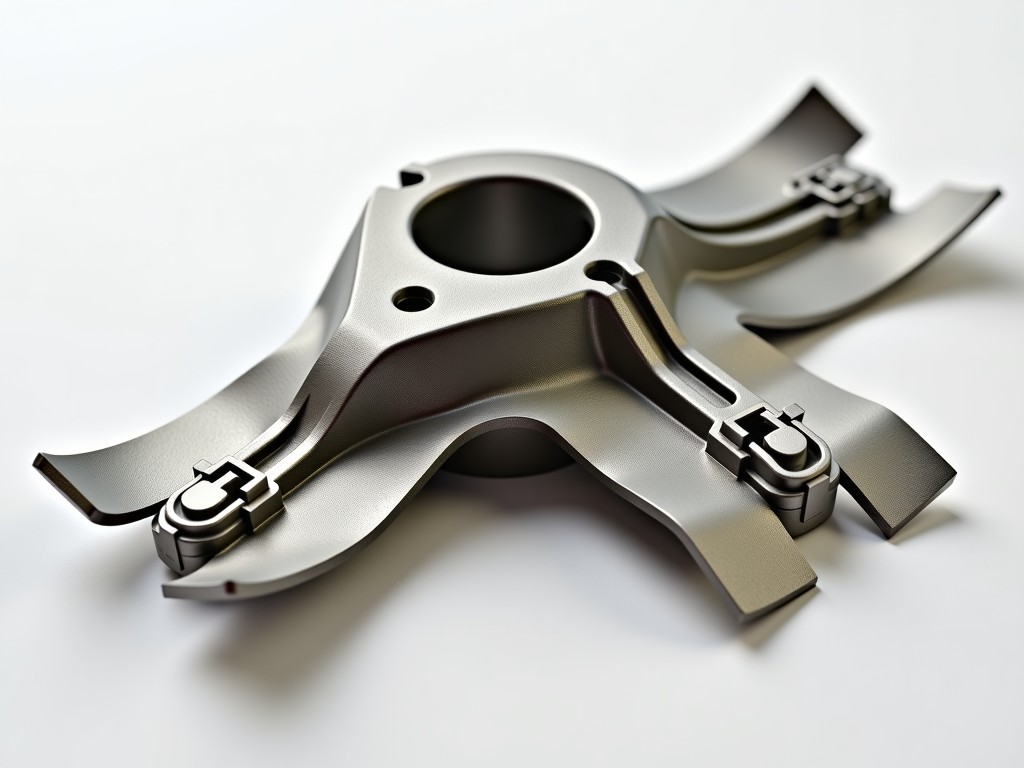
- Zinc‑alloy door handles and lock components – require high surface finish and dimensional stability.
- Magnesium‑alloy brackets for power tools – demand lightweight strength and thin‑wall capability.
- Low‑melting‑point alloy fasteners (e.g., Zamak 3) – need consistent thread geometry across millions of pieces.
The combination of precise temperature control and programmable injection curves reduces porosity and shrinkage, which are the primary scrap drivers in these product lines.
Customization Options
- Clamping force upgrades to 200 t for larger mold footprints.
- Alternative heater configurations (induction, resistance) for specific alloy families.
- Additional I/O modules for robotic part extraction or in‑line inspection integration.
- Custom paint or corrosion‑resistant coating on the frame for aggressive shop environments.
- Extended warranty packages and on‑site commissioning support.
All modifications are engineered in‑house; lead time for a tailored build is typically 8‑12 weeks after technical approval.
Quality Assurance and Inspection
Each unit undergoes a three‑stage verification before shipment:
- Factory acceptance test (FAT) – dry cycle, pressure hold, temperature stability, and safety interlock validation.
- Dimensional audit of critical mounting surfaces using a coordinate measuring machine (CMM) with ±0.02 mm tolerance.
- Performance run with customer‑specified alloy (if provided) to confirm shot weight repeatability within ±1 %.
Inspection records, including pressure curves and temperature logs, are supplied in PDF and CSV formats for traceability.
Packaging, Shipping, and Export Protection
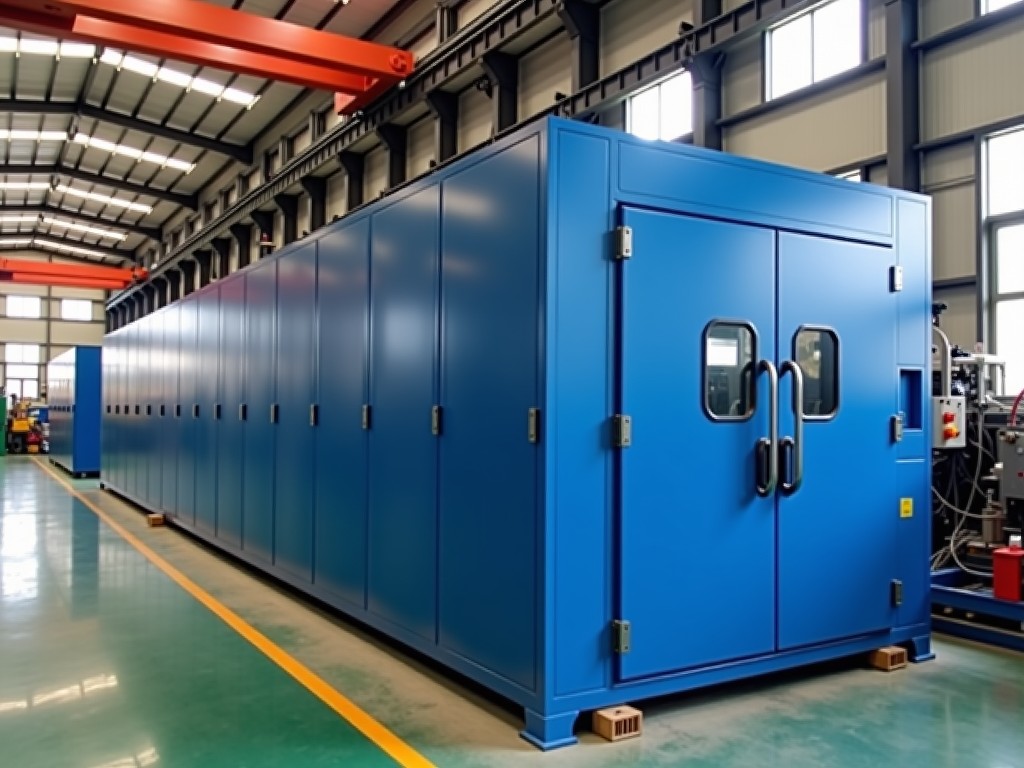
Machines are secured on a steel skid, wrapped in VCI‑treated stretch film, and enclosed in a fumigated wooden crate compliant with ISPM‑15. Shock indicators (30 g) and tilt sensors are affixed to the crate exterior; a detailed packing list and handling instructions accompany each shipment.
Sea freight is standard; air freight can be arranged for urgent deliveries. Insurance coverage up to 110 % of invoice value is available on request.
Frequently Asked Questions
- Can the clamping force be increased after purchase?
- The hydraulic toggle is designed for field‑adjustable pressure up to 150 t; higher forces require a frame reinforcement kit.
- What information is needed for a quotation?
- Alloy type, target shot weight, annual volume, mold dimensions, and any special automation interfaces.
- Which alloys are compatible with the standard gooseneck?
- Zinc (Zamak 2/3/5), magnesium (AZ91D), and low‑melting‑point lead‑free alloys up to 450 °C.
- How is quality inspected before shipment?
- See the Quality Assurance section – FAT, CMM audit, and alloy performance run.
- What packaging options exist for export?
- Standard VCI‑wrapped crate; optional climate‑controlled container for humid regions.
- Typical production lead time?
- 8‑12 weeks for a configured machine; stock units (standard 120 t) may ship in 3‑4 weeks.
- How are samples arranged?
- A pilot run of 500 parts can be scheduled at the factory; sample parts are shipped with full process documentation.
Request a Quotation
To receive a detailed proposal, including layout drawings and a preliminary cycle‑time study, please provide your part specifications and annual volume.
Contact our sales engineers for a confidential discussion.
Download the technical datasheet (PDF, 2.3 MB).