Wholesale Heavy Duty Cold Chamber Die Casting Machine Top Supplier
Cold‑chamber machines handle high‑melting‑point alloys such as aluminum, magnesium and copper‑based alloys by keeping the melt reservoir separate from the injection cylinder. This separation reduces
Wholesale Heavy‑Duty Cold Chamber Die Casting Machine – Top Supplier
Cold‑chamber machines handle high‑melting‑point alloys such as aluminum, magnesium and copper‑based alloys by keeping the melt reservoir separate from the injection cylinder. This separation reduces thermal shock on the plunger and extends component life, which is critical for high‑volume production lines that run multiple shifts.
Product Overview
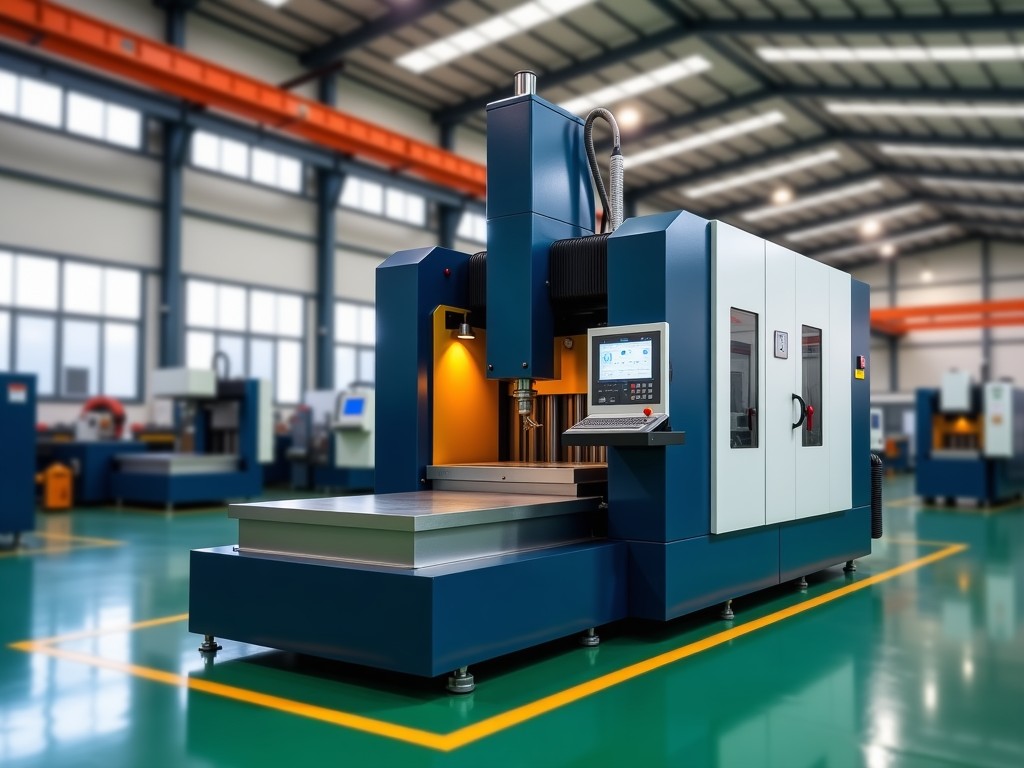
The product line spans clamping forces from 1,200 kN to 4,500 kN, allowing a single supplier to cover small‑batch precision parts as well as large structural castings. Frame rigidity is achieved through a box‑type welded steel base that is stress‑relieved after machining, minimizing deflection under peak load.
Technical Specifications
| Parameter | Typical Value |
|---|---|
| Clamping force | 1,200 – 4,500 kN (customizable) |
| Maximum shot weight | 0.5 – 12 kg (depending on alloy) |
| Injection pressure | Up to 1,200 bar |
| Platen size (L×W) | 800×800 mm to 1,600×1,600 mm |
| Cycle time (dry shot) | 3.5 – 7.0 s |
| Main motor power | 55 – 250 kW |
Core Engineering Advantages
A servo‑driven injection unit provides repeatable velocity profiles, which reduces porosity in thin‑wall sections. The hydraulic system uses a proportional valve bank with closed‑loop pressure feedback, keeping injection pressure within ±2 % of setpoint throughout the shot.
- Modular die‑height adjustment reduces change‑over time to under 15 minutes.
- Integrated melt‑holding furnace options (induction or resistance) keep alloy temperature within ±5 °C.
- Real‑time process data logged via OPC‑UA for traceability and statistical process control.
Application Fields and Why They Fit
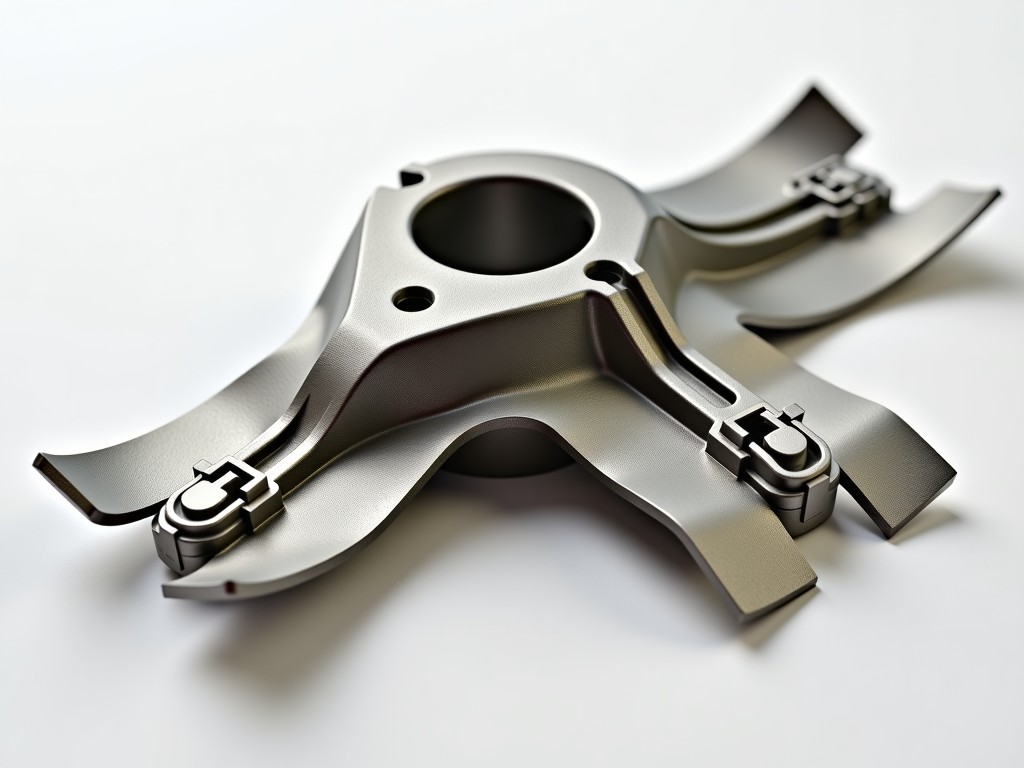
Automotive structural components such as engine brackets benefit from the high clamping force and fast cycle, delivering consistent dimensional tolerance across millions of parts. In the electronics sector, the precise shot control enables thin‑wall housings with wall thicknesses below 1 mm while maintaining surface finish. Heavy‑equipment manufacturers rely on the machine’s ability to cast large magnesium alloy brackets with minimal shrinkage, thanks to the stable melt temperature control.
Customization Options
Every line can be configured to match existing automation layouts. Typical customization points include:
- Platen layout (single, double, or triple cavity) to suit die design.
- Injection unit stroke length and nozzle geometry for specific alloy flow characteristics.
- Control system integration (Siemens, Fanuc, or proprietary PLC) with remote diagnostics.
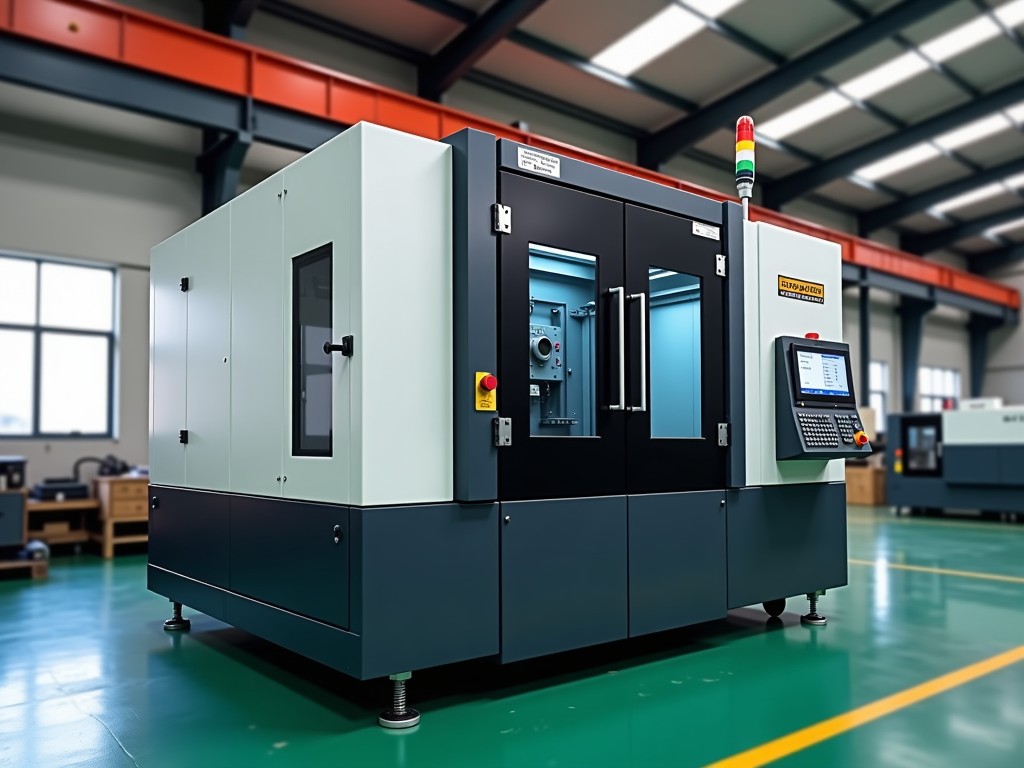
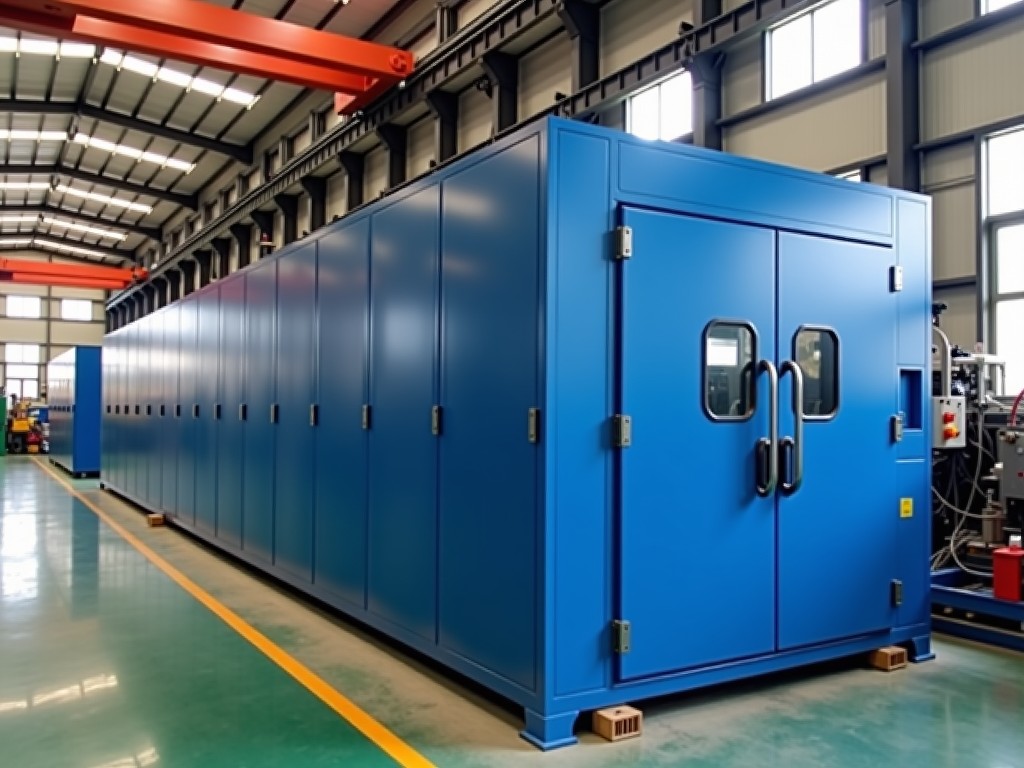
- Safety enclosure options compliant with CE, UL, or local regulations.
Quality Assurance & Inspection
Each machine undergoes a three‑stage inspection: dimensional verification of the frame and platens on a coordinate‑measuring machine, hydraulic pressure testing at 1.5× rated pressure, and a full‑cycle run with a reference alloy to record shot repeatability. Test reports are supplied with the shipment and archived for traceability.
Packaging, Shipping & Export Protection
Machines are secured on steel skids, wrapped in VCI‑treated film, and sealed in wooden crates rated for sea‑freight stacking loads of 2.5 t/m². Shock indicators and humidity cards are placed inside each crate. For oversize units, a flat‑rack container with custom bracing is arranged. Documentation includes a packing list, certificate of origin, and a pre‑shipment inspection photo set.
Frequently Asked Questions
Can the machine dimensions be tailored to an existing production line?
Yes. The frame, platen layout, and injection unit can be engineered to match your floor plan and required shot size. Provide the available envelope and target cycle time for a detailed proposal.
What information is required before a quotation?
Alloy type, annual volume, desired clamping force, shot weight range, and any automation interface specifications are the minimum data set. Additional details such as existing furnace capacity or preferred control platform help refine the offer.
Which alloys are compatible with the standard melt‑holding furnace?
Standard furnaces cover aluminum (A356, ADC12), magnesium (AZ91D, AM60B), and copper‑based alloys (C87500). Custom furnace linings are available for specialty alloys such as high‑silicon aluminum or zinc‑aluminum.
How is quality inspected before shipment?
A full functional test is performed using a reference die. Shot weight repeatability, injection pressure stability, and clamp force uniformity are recorded. Results are compared against the acceptance criteria defined in the order specification.
What packaging methods are available for export?
Standard export crating with VCI film, shock indicators, and humidity cards. Optional flat‑rack container with engineered bracing for oversize machines. All packaging complies with ISPM‑15 wood treatment requirements.
What is the typical production lead time?
Standard configurations ship within 8–10 weeks after order confirmation. Customized units require 12–16 weeks depending on the extent of mechanical and control modifications.
Request a Quotation
To receive a detailed quotation, share the alloy type, expected annual volume, required clamping force, and any special automation interfaces. Our engineering team will return a technical proposal within two business days. Submit your inquiry here.
For a broader view of our cold‑chamber portfolio, explore the product catalog. If you need after‑sales support details, review our service offerings.