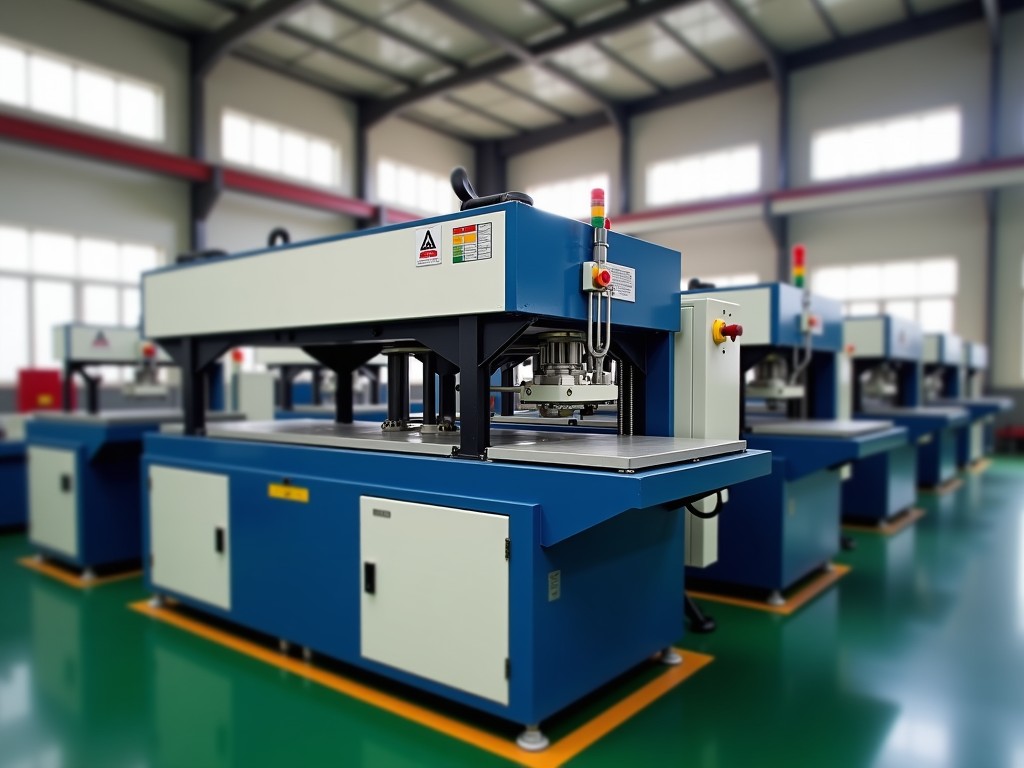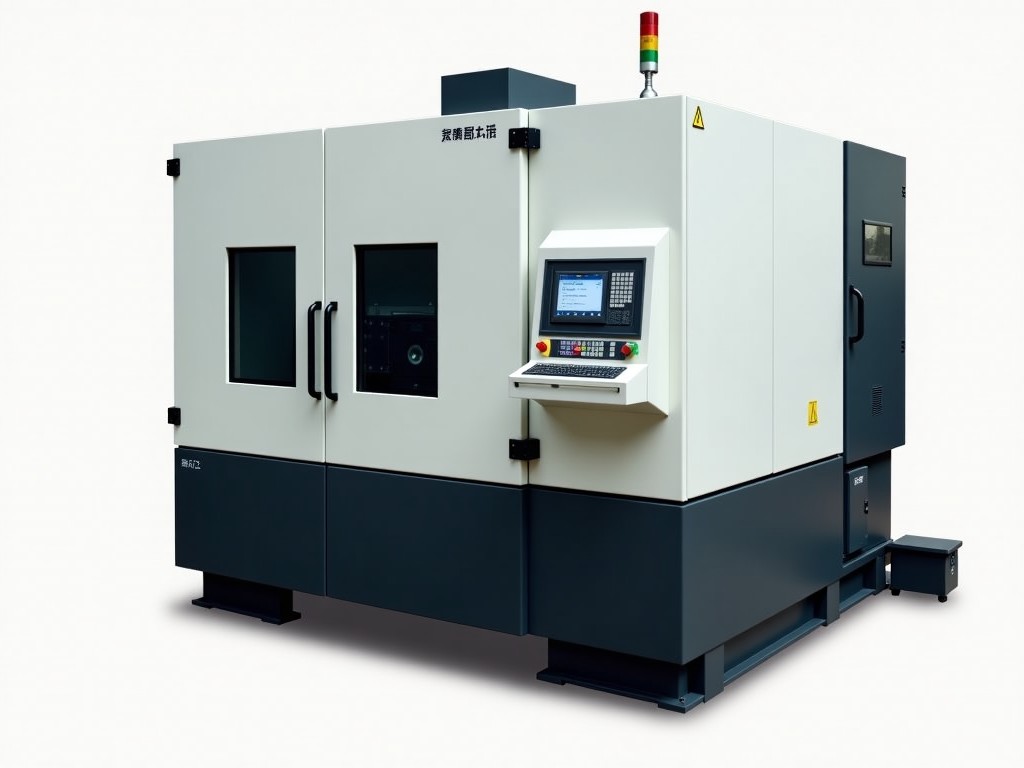
Factory Direct Energy Saving Hot Chamber Die Casting Machine For Sale
This machine is built for high‑volume zinc, magnesium and low‑melting‑point alloy production where cycle time, melt‑hold stability and power consumption directly affect unit cost. A closed‑loop
Factory‑Direct Energy‑Saving Hot Chamber Die Casting Machine
This machine is built for high‑volume zinc, magnesium and low‑melting‑point alloy production where cycle time, melt‑hold stability and power consumption directly affect unit cost.
A closed‑loop hydraulic‑servo system reduces idle pump pressure by up to 35 % compared with conventional fixed‑displacement pumps, while a regenerative heater recovers 12–15 % of the melt‑holding energy during dwell periods.
Technical Specifications (Typical Values)
| Parameter | Typical Range | Notes |
|---|---|---|
| Clamping force | 150 – 400 t | Selectable in 50 t steps |
| Shot weight (Zn alloy) | 0.5 – 3.2 kg | Adjustable via plunger diameter |
| Maximum injection pressure | 85 MPa | Servo‑controlled, pressure‑profile programmable |
| Cycle time (dry shot) | 1.8 – 2.5 s | Depends on alloy and wall thickness |
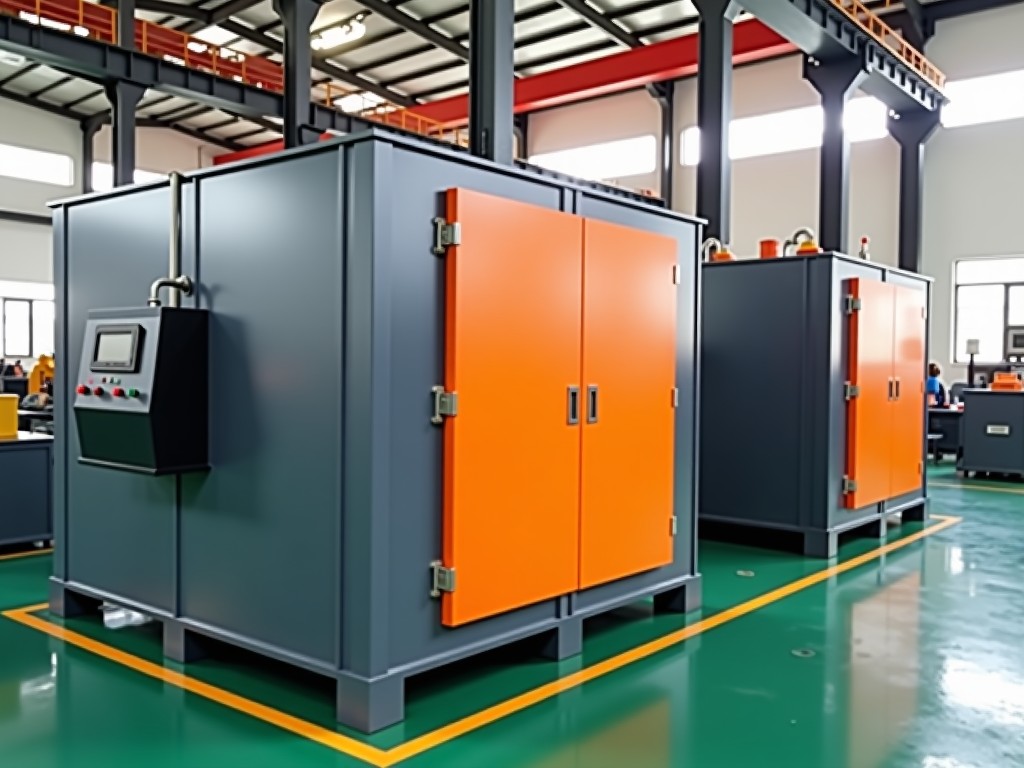
| Melt‑hold furnace capacity | 30 – 120 kg | Integrated inductive heating, ±2 °C stability |
| Installed power | 45 – 110 kW | Includes servo pump, furnace, cooling |
| Overall dimensions (L×W×H) | Customizable | Footprint optimized for line integration |
| Control system | Siemens S7‑1500 PLC + HMI | OPC‑UA ready for MES connectivity |
All values are typical for standard configurations; final numbers are confirmed after application review.
Energy‑Saving Architecture
The hydraulic power unit uses a variable‑displacement piston pump driven by a permanent‑magnet synchronous motor. Pump displacement follows the real‑time pressure demand calculated by the PLC, eliminating the constant‑pressure bypass that wastes 20–30 % of hydraulic energy in traditional machines.
During the melt‑hold phase, the furnace’s inductive coil operates in a regenerative mode: the controller reduces coil current while the molten metal’s thermal inertia maintains temperature, feeding recovered energy back to the DC bus. Measured plant data show a 12–15 % reduction in furnace kWh per ton of castings.
An optional waste‑heat recovery module can route exhaust heat from the cooling water circuit to pre‑heat incoming alloy ingots, further cutting furnace load by up to 8 % in high‑throughput lines.
Core Mechanical Features
- Dual‑guide‑rail platen with pre‑loaded linear bearings – reduces platen deflection to < 0.02 mm under full clamp.
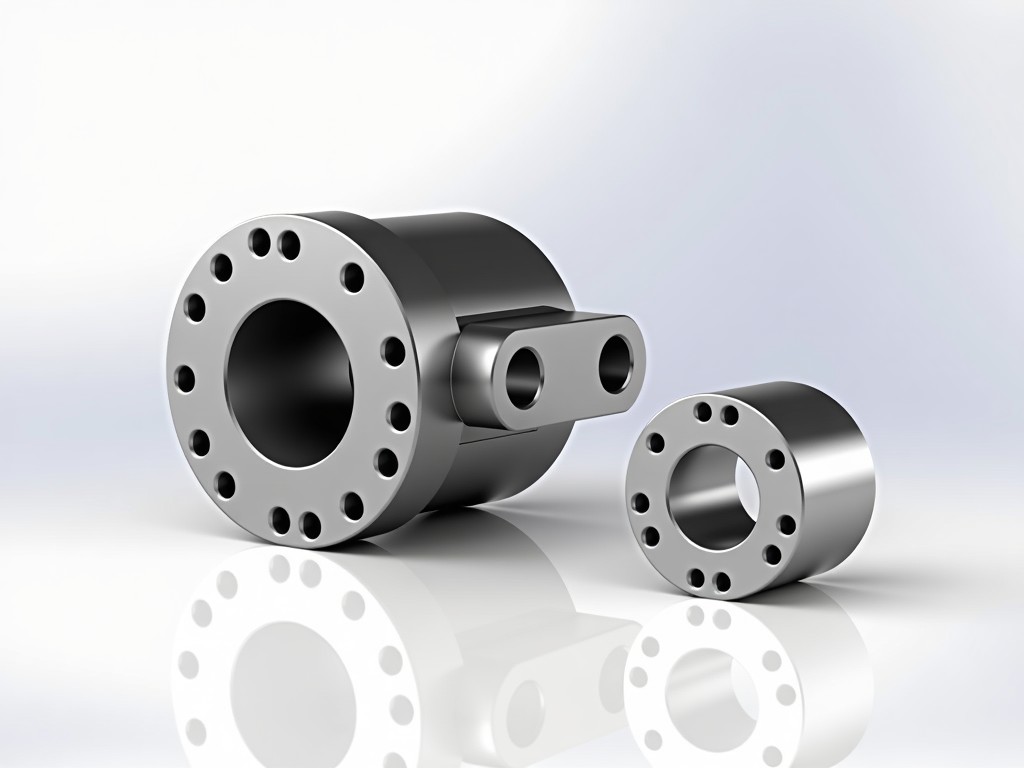
- Hard‑chrome‑plated shot sleeve (HRC 58‑62) – extends sleeve life to > 150 k shots for Zn‑Al alloys.
- Servo‑driven ejection with programmable force curve – prevents part distortion on thin‑wall components.
- Integrated automatic lubrication system (oil‑mist) for toggle and guide rails – maintenance interval 2 000 h.
- Modular die‑height adjustment (±30 mm) via motorized wedges – enables quick changeover between part families.
Typical Applications & Why This Machine Fits
Automotive bracket housings – high clamp force and fast cycle keep per‑part cost low while the servo injection profile eliminates porosity in thin ribs.
Electronic connector shells – precise shot weight control (±0.3 %) and stable melt temperature give the dimensional repeatability required for automated assembly.
Power‑tool gear cases – the regenerative furnace cut energy use by ~13 % in a 3‑shift operation, directly lowering the carbon footprint per kilogram of casting.
Lighting‑fixture housings – modular die‑height changeover lets a single cell run three different part families with < 15 min setup.
Customization Options
- Clamp force increments of 50 t up to 500 t (special order).
- Plunger diameters from 30 mm to 80 mm for shot weight tuning.
- Furnace capacity up to 200 kg with dual‑zone temperature control.
- Choice of PLC platform (Siemens, Allen‑Bradley, Mitsubishi) and fieldbus (Profinet, EtherNet/IP, CC‑Link).
- Optional robotic part‑extraction interface (EUROMAP 67).
All customizations are engineered in‑house; lead time impact is communicated before order confirmation.
Quality Assurance & Inspection
Each machine undergoes a 48‑hour run‑in at rated clamp force and injection pressure while monitoring hydraulic pressure ripple (< 1 % of setpoint), furnace temperature drift (±1 °C), and servo positioning repeatability (±0.01 mm).
Critical components — pump, servo motor, furnace coil, PLC I/O cards — are sourced from ISO 9001‑certified suppliers and carry individual material certificates.
Final acceptance includes a dimensional audit of the platen parallelism, shot sleeve concentricity, and die‑height repeatability; reports are supplied with the shipment documentation.
Frequently Asked Questions
Can the machine dimensions be tailored to an existing production line?
Yes. The base frame is built from modular steel sections; overall length, width and height can be adjusted in 100 mm increments to match line pitch and overhead clearance.
What information is needed for a formal quotation?
Typical data: target alloy, annual volume, part weight range, required cycle time, available floor space, preferred PLC brand, and any special safety or environmental standards.
Which alloys can be processed?
Standard hot‑chamber alloys: Zn‑Al (ZA‑8, ZA‑12, ZA‑27), Mg‑Al (AZ91D, AM60B), and low‑melting‑point lead‑free solders. Custom alloy trials are arranged on request.
How is quality inspected before shipment?
A documented run‑in test, dimensional audit, and functional test of all safety interlocks are performed. Test records and a certificate of conformity accompany each unit.
What packaging and export protection are provided?
Machines are secured on fumigated wooden crates with vibration‑damping pads, sealed in VCI‑treated polyethylene film, and labeled per ISPM‑15. Optional container‑level shock indicators are available.
Next Steps
Share your part specifications and production targets; our application engineers will return a detailed layout, energy‑consumption estimate, and a firm delivery schedule within two business days.
Request a quotation | Download datasheet | Schedule a virtual demo