Direct Factory Industrial Aluminum Cold Chamber Die Casting Machine Supplier
Cold chamber die casting remains the standard process for high‑volume aluminum components that demand tight dimensional control and superior surface finish. A direct‑factory supply model eliminates
Direct Factory Industrial Aluminum Cold Chamber Die Casting Machine Supplier
Product Overview
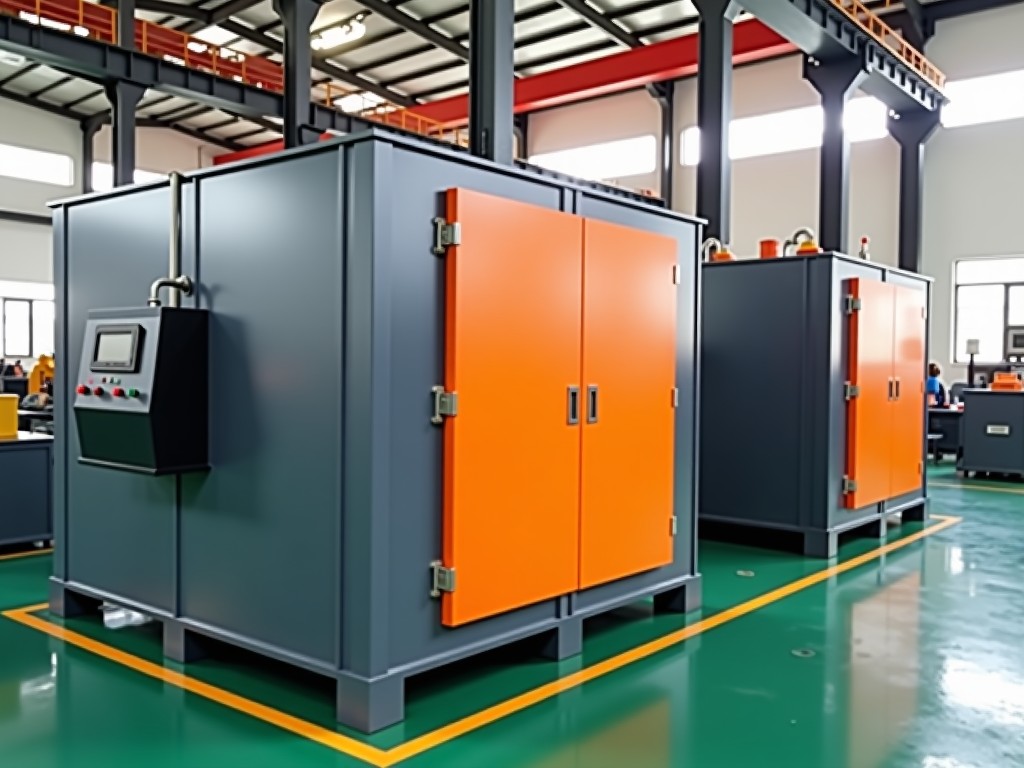
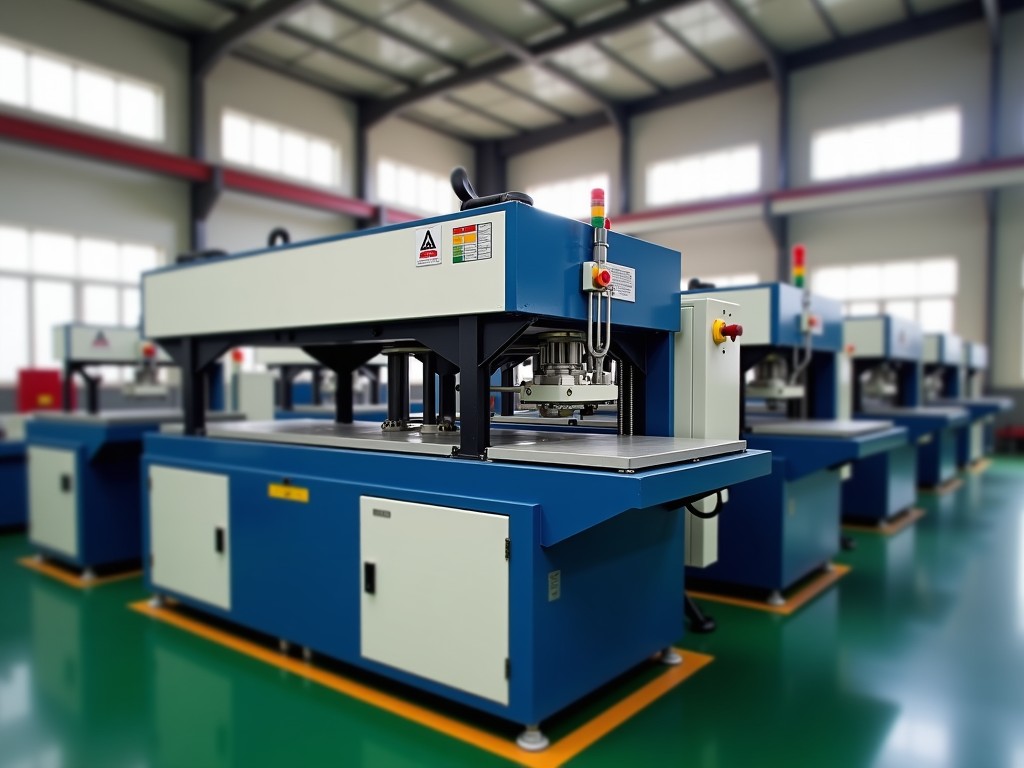
Cold chamber die casting remains the standard process for high‑volume aluminum components that demand tight dimensional control and superior surface finish. A direct‑factory supply model eliminates intermediary mark‑ups and shortens the feedback loop between design changes and machine configuration.
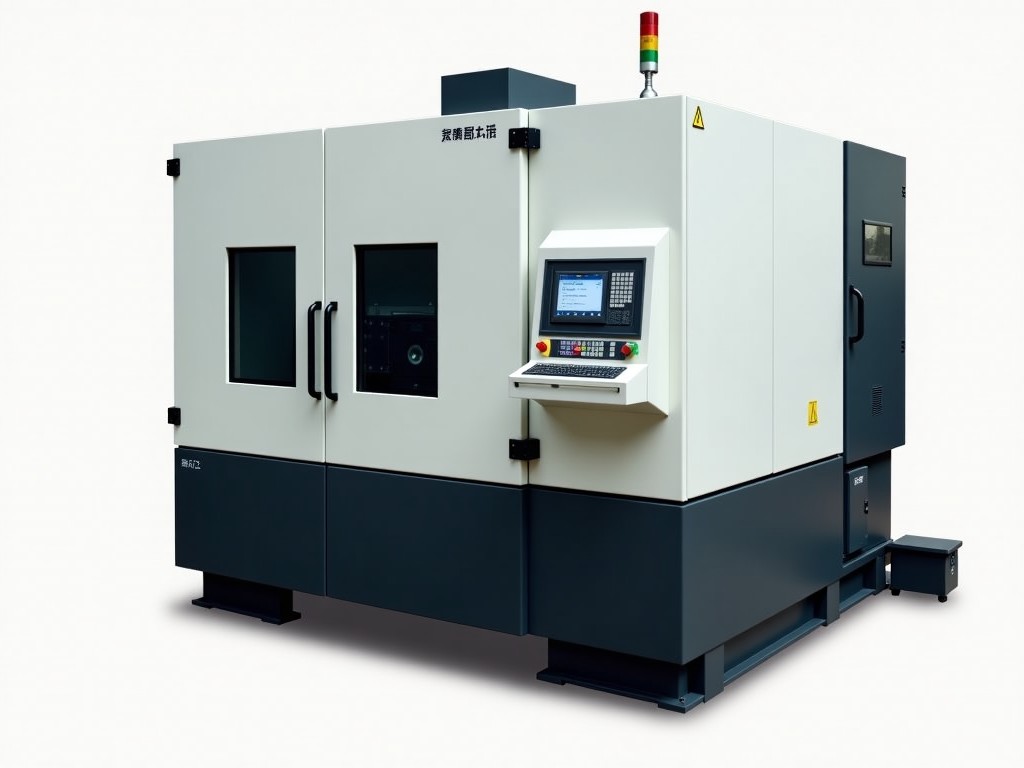
The machine line offered here is built on a modular frame that accommodates clamping forces from 1,200 kN to 4,500 kN, allowing a single platform to serve both medium‑size automotive brackets and larger structural housings. All hydraulic circuits are sourced from ISO‑9001 qualified vendors, and the control system follows IEC 61131‑3 PLC programming standards for easy integration into existing production IT environments.
Technical Specifications
| Parameter | Typical Value / Range | Notes |
|---|---|---|
| Clamping Force | 1,200 kN – 4,500 kN | Selectable per project |
| Shot Weight (Al) | 0.8 kg – 12 kg | Dependent on mold cavity volume |
| Plunger Diameter | 70 mm – 180 mm | Customizable |
| Injection Pressure | 150 MPa – 350 MPa | Adjustable via servo‑hydraulic valve |
| Cycle Time (dry) | 2.5 s – 5.0 s | Varies with mold complexity |
| Control Platform | Siemens S7‑1500 / Beckhoff CX | Open‑protocol OPC UA available |
| Power Supply | 380 V / 50 Hz, 3‑phase | Other voltages on request |
| Machine Footprint | 3.2 m × 2.1 m × 2.8 m (L×W×H) | Approx. for 2,500 kN model |
All figures represent typical values for standard configurations; final numbers are confirmed after mold layout review.
Key Engineering Features
A servo‑driven injection unit provides repeatable velocity profiles, reducing porosity in thin‑wall sections. The hydraulic accumulator is sized to maintain pressure stability during the intensification phase, which is critical for alloys such as A380 and ADC12.
The mold‑temperature control circuit integrates a closed‑loop water‑oil heat exchanger with ±1 °C accuracy, enabling consistent solidification rates across multi‑cavity tools. An automatic lubrication system doses graphite‑based release agent only on the shot sleeve, minimizing waste and preventing contamination of the melt.
- Modular frame – allows field upgrade from 2,500 kN to 4,500 kN without foundation changes.
- Real‑time process data logging (pressure, velocity, temperature) stored in SQL database for traceability.
- Safety light curtains and dual‑channel emergency stop compliant with EN ISO 13849‑1 PL d.
- Remote diagnostics via secure VPN; firmware updates delivered over OTA.
Typical Applications
Because the machine delivers high injection pressure with precise velocity control, it excels in producing structural aluminum parts that require both strength and aesthetic surface quality. Automotive manufacturers use it for engine brackets, transmission cases, and EV battery housings where wall thickness varies from 2 mm to 6 mm within a single casting.
In the electronics enclosure sector, the tight shot‑weight repeatability supports thin‑wall heat‑sink housings that must meet EMI shielding specifications. The same platform serves industrial‑equipment OEMs for pump volutes and valve bodies, where internal corrosion resistance of the alloy is critical.
- Automotive structural components – high‑strength, crash‑relevant parts.
- Electric‑vehicle battery enclosures – complex geometry, thin walls.
- Telecom & data‑center heat‑sink housings – tight dimensional tolerances.
- Industrial pump and valve bodies – corrosion‑resistant alloys.
Customization & Configuration Options
Every production line has unique constraints — floor space, power capacity, existing automation bus, and mold changeover frequency. The following options are available to tailor the machine without redesigning the core platform:
- Clamping force selection in 500 kN increments.
- Injection unit stroke length adjusted to mold height.
- Choice of PLC brand (Siemens, Beckhoff, Allen‑Bradley) and HMI size.
- Integrated robot interface (EtherCAT, PROFINET) for automatic ladle loading.
- Optional vacuum‑assist system for low‑porosity requirements.
- Extended warranty packages and on‑site commissioning support.
Configuration sheets are generated after a brief technical questionnaire; a downloadable datasheet can be requested via the link below.
Quality Assurance & Inspection
Each machine undergoes a three‑stage verification before shipment: factory acceptance test (FAT) on a calibrated test mold, a 48‑hour run‑in at rated cycle time, and a final dimensional audit of critical castings produced during run‑in. Process capability indices (Cp, Cpk) are recorded for shot weight, injection pressure peak, and cycle time repeatability.
Material certificates for the frame steel (S355J2), hydraulic cylinders (EN 10204 3.1), and electrical components (CE, UL) are supplied with the documentation package. Non‑destructive testing (ultrasonic thickness, magnetic particle) is performed on load‑bearing welds per ASME BPVC Section VIII.
A digital quality dossier — including FAT report, calibration certificates, and PLC program backup — is delivered on a USB drive and mirrored to a secure cloud folder for the customer’s records.
Packaging, Logistics & Export
Machines are shipped on custom steel skids with vibration‑damping pads, wrapped in VCI‑treated stretch film and a weather‑proof tarpaulin. Critical components (servo valves, PLC rack) are packed in anti‑static foam crates with desiccant packs. Container loading plans are provided to optimize 40‑ft high‑cube utilization and to meet ISPM‑15 wood‑packaging regulations.
Incoterms offered: EXW, FOB (Shanghai/Ningbo), CIF (major ports). Shipping insurance can be arranged through our partnered freight forwarder. Lead time from order confirmation to ready‑for‑shipment is typically 12‑16 weeks, depending on selected options and current production schedule.
Frequently Asked Questions
- Can the clamping force be upgraded after installation?
- Yes. The modular frame design allows a field upgrade by adding supplemental tie‑bars and a higher‑capacity hydraulic cylinder, typically completed within a weekend shutdown.
- What information is required for a formal quotation?
- Mold cavity layout, projected annual volume, alloy grade, required cycle time, and preferred control platform. A completed configuration questionnaire accelerates the process.
- Which aluminum alloys are compatible?
- Standard alloys A380, ADC12, A360, and AlSi10Mg are fully supported. High‑silicon or specialty alloys can be evaluated on a case‑by‑case basis.
- How is quality inspected during production?
- In‑process monitoring logs pressure, velocity, and temperature at 1 kHz. Post‑casting, a coordinate‑measuring machine (CMM) checks critical dimensions on a statistical sample per ISO 2859‑1.
- What packaging options exist for sea freight?
- Standard VCI‑wrapped skid, optional wooden crate with ISPM‑15 compliance, and climate‑controlled container for high‑humidity routes.
- What is the typical production lead time?
- 12‑16 weeks from order confirmation for a standard configuration; custom PLC or vacuum‑assist options may add 2‑4 weeks.
Request a Quotation
Provide your project specifications and our engineering team will return a detailed proposal within three business days.
Submit Inquiry© 2026 Direct Factory Industrial Machinery. All specifications subject to change without notice.