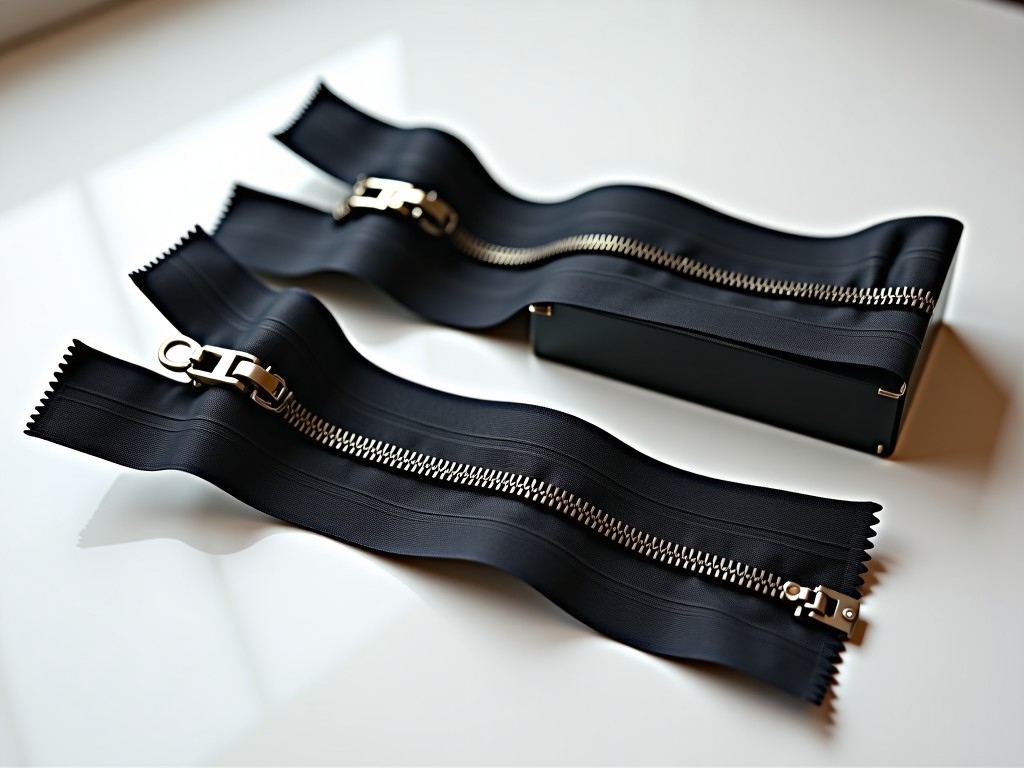
Custom Zipper Pin Box Machine Supplier
A zipper pin box machine forms the metal pins that secure zipper teeth to the tape, a critical step for garment, luggage, and technical textile production. The equipment must deliver repeatable pin
Custom Zipper Pin Box Machine Supplier
A zipper pin box machine forms the metal pins that secure zipper teeth to the tape, a critical step for garment, luggage, and technical textile production. The equipment must deliver repeatable pin geometry, consistent crimp force, and minimal material waste across high‑volume runs.
Machine Overview
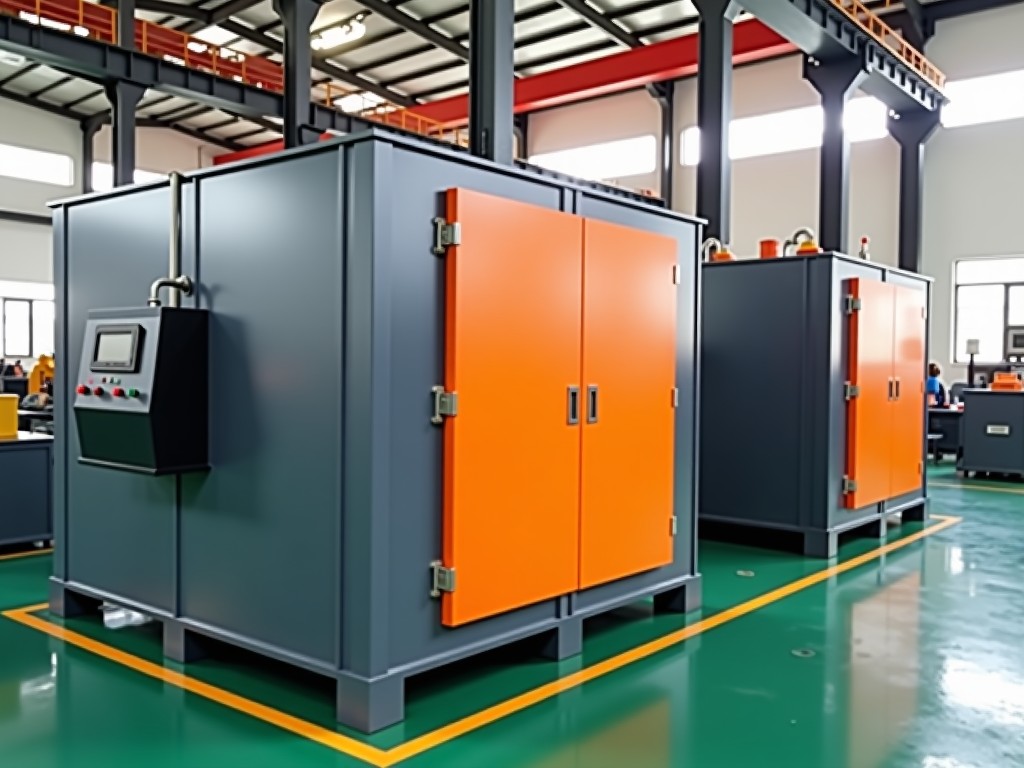
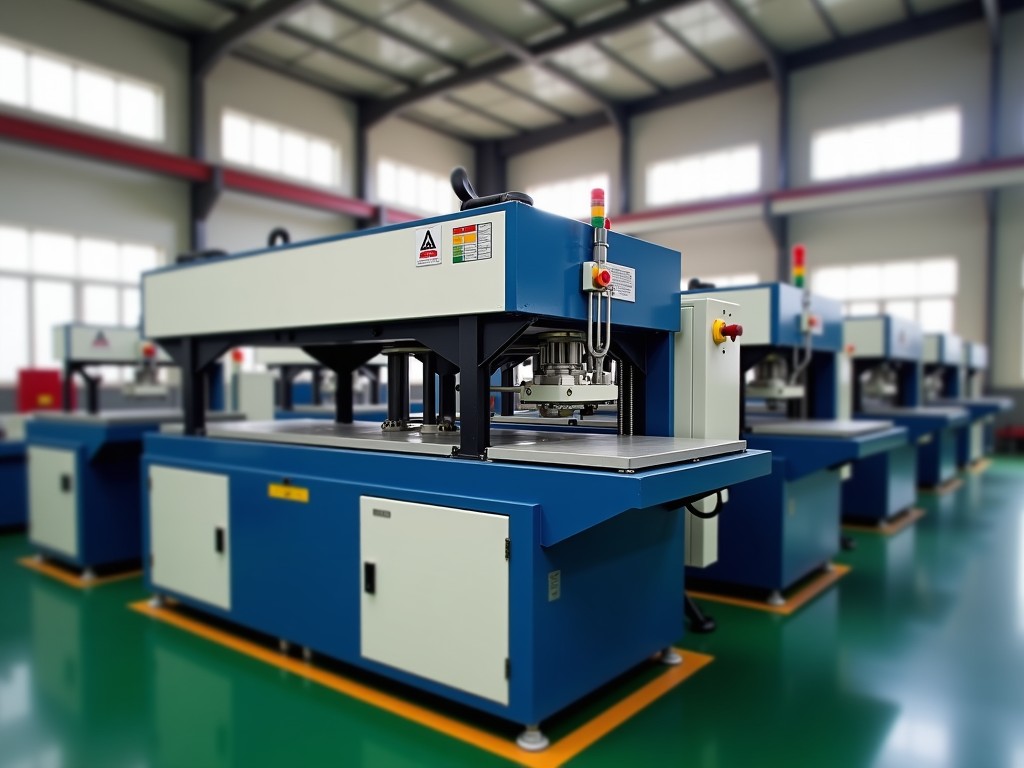
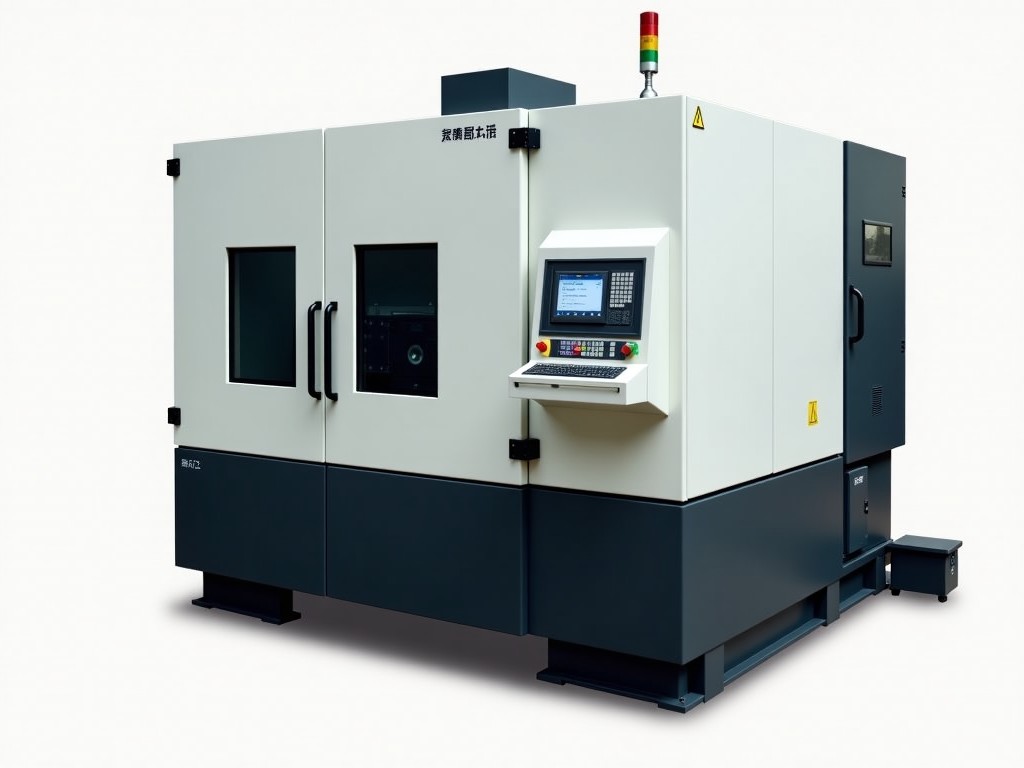
The platform is built on a modular frame that separates the feeding, forming, and inspection stations. This architecture allows quick change‑over between pin diameters (typically 0.8 mm – 2.5 mm) and tape widths (10 mm – 30 mm) without major mechanical re‑alignment. Servo‑driven actuators control the crimp stroke to ±0.02 mm, while a closed‑loop force sensor monitors each cycle in real time.
Technical Specifications
| Parameter | Typical Value | Customization Range |
|---|---|---|
| Pin Diameter | 0.8 mm – 2.5 mm | 0.5 mm – 3.0 mm (project‑specific) |
| Tape Width | 10 mm – 30 mm | 8 mm – 40 mm |
| Crimp Force | 1.2 kN – 3.5 kN (adjustable) | 0.8 kN – 5.0 kN |
| Cycle Rate | 120 – 250 cycles/min | Up to 300 cycles/min with high‑speed servo |
| Power Supply | 3‑phase 380 V / 50 Hz, 7.5 kW | 220 V / 60 Hz optional |
| Control System | PLC + HMI, EtherCAT I/O | Integration with MES/SCADA on request |
Key Features
- Servo‑controlled crimp stroke – eliminates mechanical wear and enables sub‑micron repeatability.
- Inline optical inspection – CCD camera measures pin height, angle, and tip radius; out‑of‑spec parts are rejected automatically.
- Quick‑change tooling – pin‑forming dies swap in under 3 minutes, reducing downtime for product mix changes.
- Energy‑recovery braking – regenerative drive feeds excess kinetic energy back to the line, lowering operating cost by ~8 %.
Application Scenarios
The machine suits any operation that requires consistent metal pin insertion into woven or knit zipper tapes. In apparel, the tight tolerance on pin height prevents tape slippage during high‑speed sewing. For luggage and outdoor gear, the adjustable crimp force accommodates heavier tape substrates (e.g., coated nylon, TPU‑laminated fabrics) without deforming the pin. Technical textile lines benefit from the inline inspection data, which can be logged for traceability compliance (ISO 9001, IATF 16949).
Customization Options
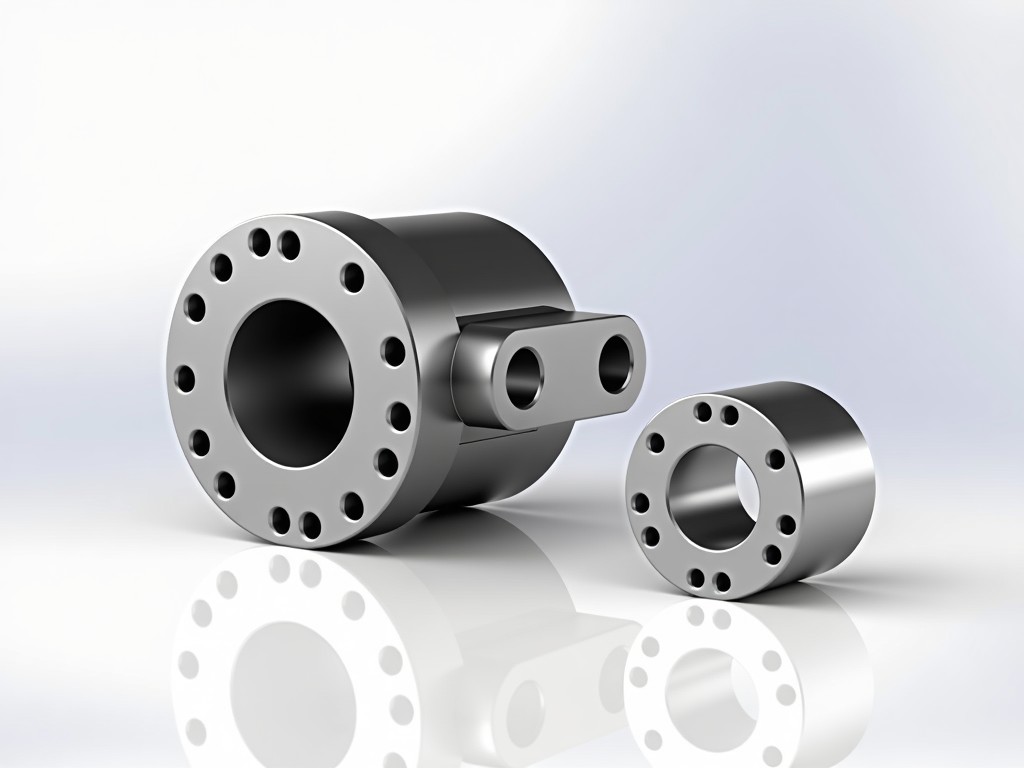
- Pin geometry – round, flat‑head, or custom profile per OEM spec.
- Feeding system – vibratory bowl, rotary feeder, or robotic pick‑and‑place for irregular pin blanks.
- Data interface – OPC UA, Modbus TCP, or proprietary API for real‑time KPI streaming.
- Safety enclosure – light‑curtain, interlocked guard, or full CE‑marked cabin.
Quality Assurance & Inspection
Each machine undergoes a 48‑hour run‑in at rated speed before shipment. Critical dimensions (pin height, crimp depth, tip radius) are verified with a calibrated coordinate‑measuring machine (CMM) at three points per cycle. Statistical process control charts are generated for the first 10,000 cycles and supplied with the acceptance report. Spare‑part kits (dies, sensors, servo belts) are stocked for a minimum of 5 years.
Frequently Asked Questions
Can the pin diameter and tape width be tailored to my product line?
Yes. The tooling set is designed for rapid change‑over; any diameter within 0.5 mm – 3.0 mm and tape width up to 40 mm can be configured. Provide the target dimensions and material datasheet during quotation.
What information is required before a formal quote?
Typical inputs: pin specification drawing, tape material and thickness, desired output rate, available floor space, and preferred control‑system protocol. A short site‑survey questionnaire can be sent on request.
Which materials can the machine process?
Standard configuration handles brass, stainless steel (304/316), and nickel‑plated steel pins. For exotic alloys (e.g., titanium, Inconel) the crimp force curve and die coating are reviewed case‑by‑case.
How is quality inspected during production?
An inline vision system captures each pin at 200 fps, measuring height ±0.01 mm, angle ±0.2°, and tip radius. Parts outside tolerance trigger an automatic reject gate; data logs are stored for 90 days and exportable via CSV.
What packaging and export protection are provided?
Machines are secured on fumigated wooden pallets, wrapped in VCI‑treated stretch film, and fitted with shock‑indicator labels. Custom crating for sea‑freight containers is available.
What is the typical production lead time?
Standard configuration: 8–10 weeks from order confirmation. Custom tooling or non‑standard voltage adds 2–3 weeks. A detailed schedule is issued after the technical review meeting.
How are samples arranged?
We can run a pilot batch (≈500 pcs) on a test stand at our facility and ship the pins with a full inspection report. Sample cost is credited against the first production order.
Request a Quote
To discuss your zipper pin box requirements, share the specification sheet or schedule a virtual design review. Our engineering team will return a detailed proposal within two business days.