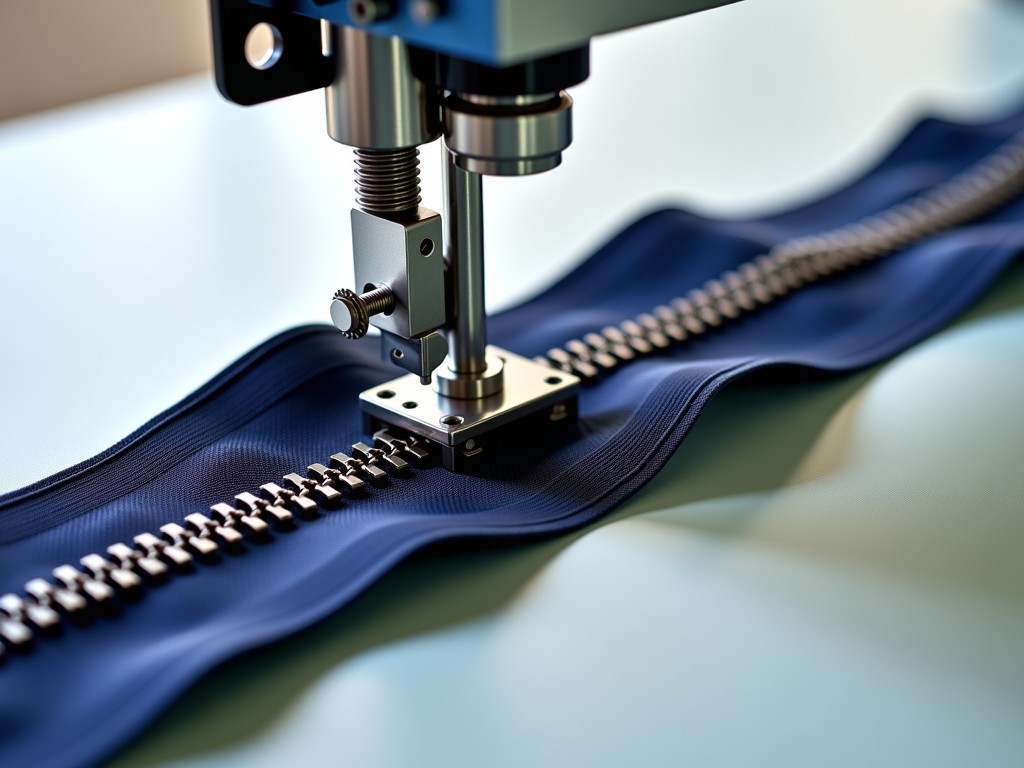
Direct Factory Zipper Retainer Box Attaching Machine Supplier
A zipper retainer box attaching machine automates the precise placement and ultrasonic welding or heat-staking of retainer boxes — also called bottom stops — onto continuous zipper chains. Unlike
Direct Factory Zipper Retainer Box Attaching Machine Supplier
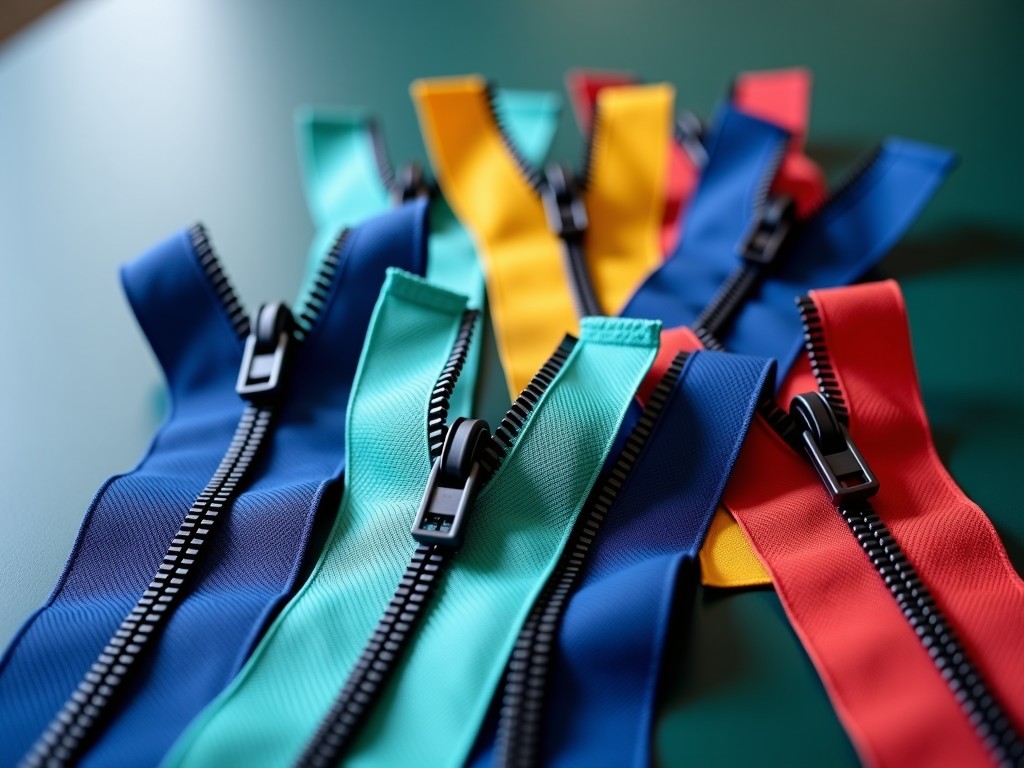
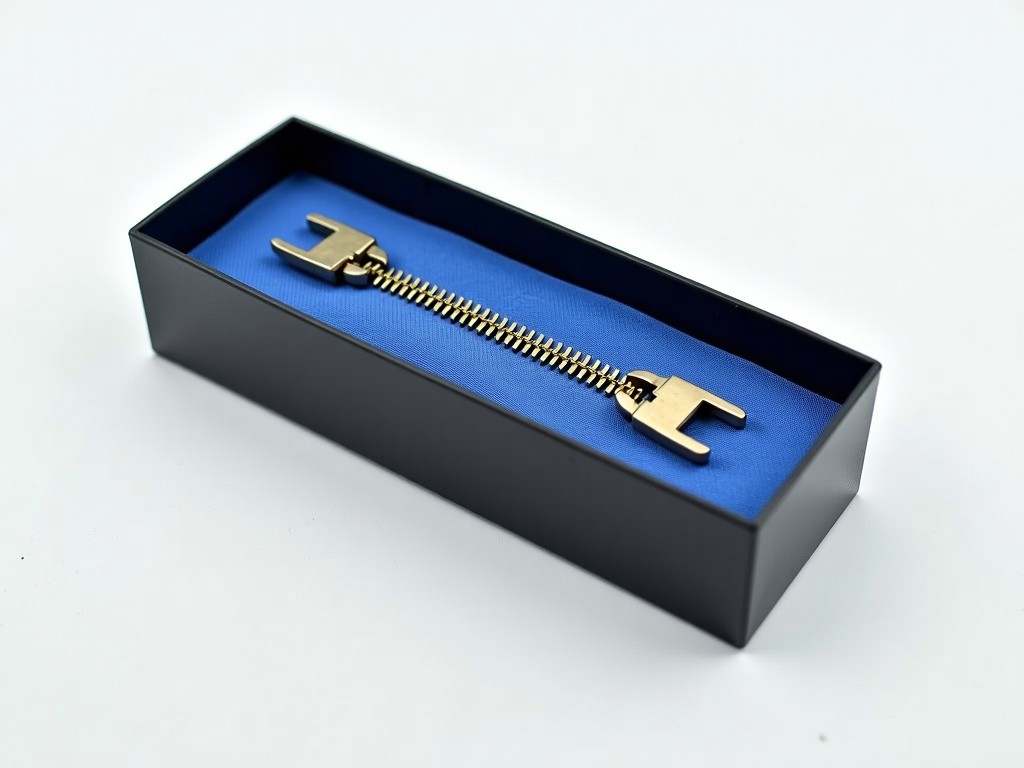
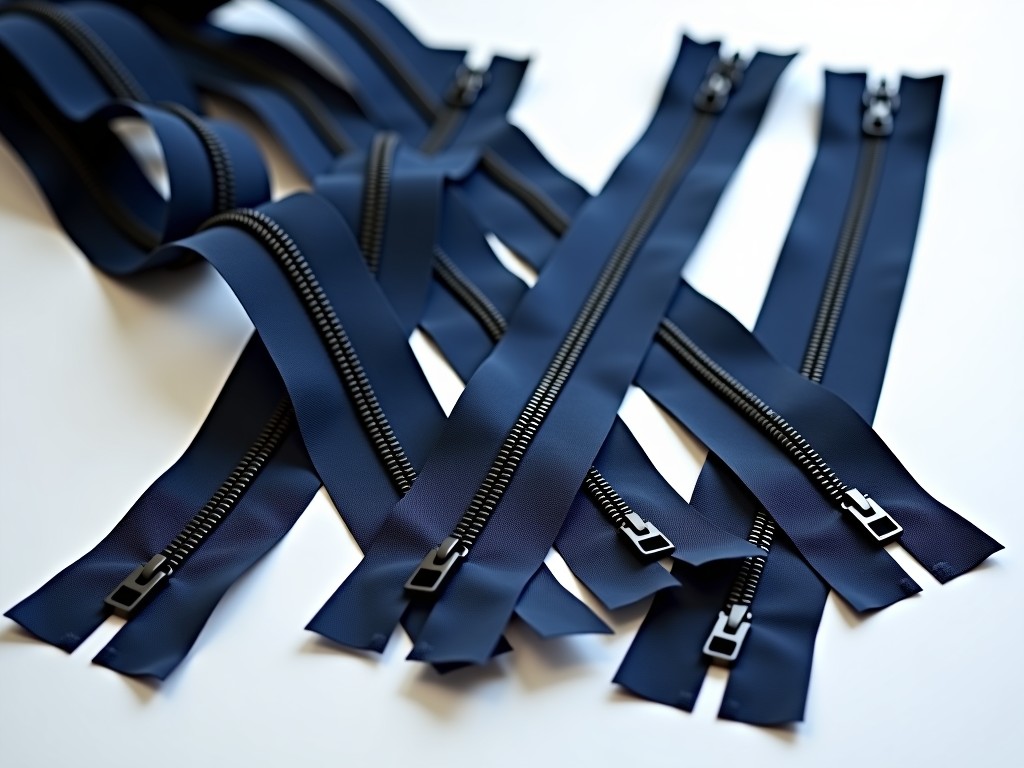
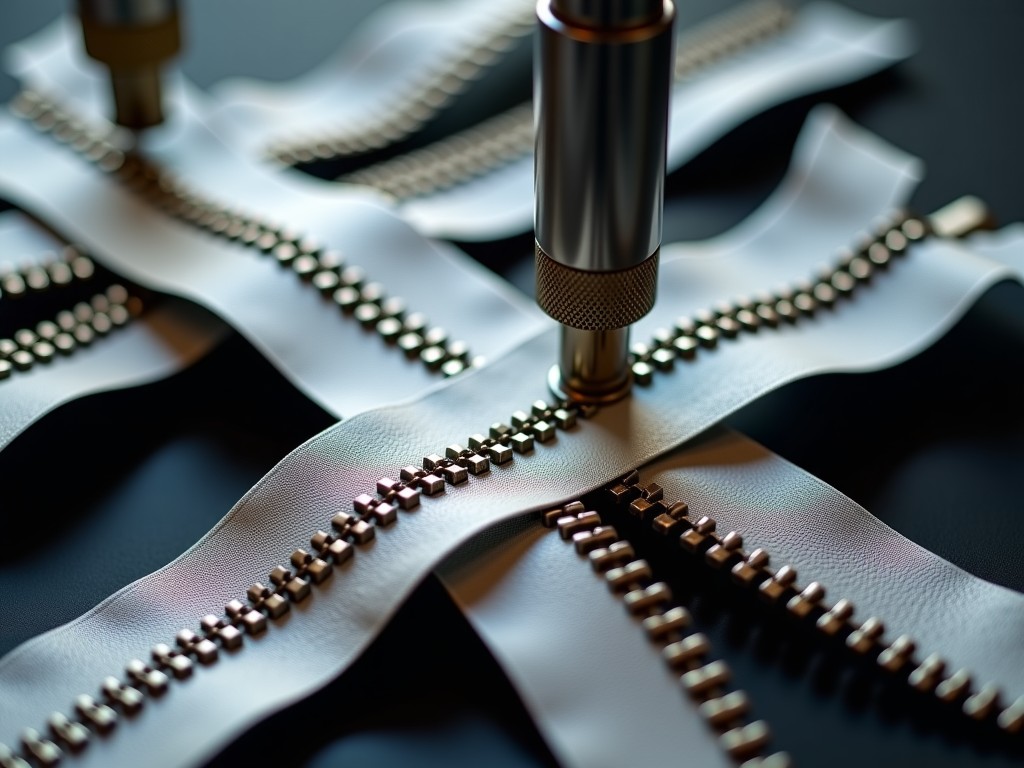
A zipper retainer box attaching machine automates the precise placement and ultrasonic welding or heat-staking of retainer boxes — also called bottom stops — onto continuous zipper chains. Unlike semi-automatic bench units that require operator alignment for each cycle, a fully automatic system feeds chain from a roll, indexes to pitch, positions the retainer box, applies controlled energy, and ejects finished lengths ready for cutting or packaging.
Direct factory supply means the equipment is designed, machined, assembled, and tested in-house without intermediary trading margins. This structure allows faster design iteration when a customer’s zipper profile or retainer geometry changes, and it keeps spare-part lead times measured in days rather than weeks. For procurement teams, the distinction appears in quotation detail: tooling drawings, PLC logic screenshots, and factory acceptance test (FAT) protocols are provided before order confirmation, not after delivery.
Typical production rates range from 60 to 120 pieces per minute depending on zipper size (#3 to #10), retainer material (nylon, polyester, or metal), and welding method. Ultrasonic welding suits thermoplastic boxes on nylon or polyester tape; heat-staking is preferred for metal boxes or when tape composition requires lower vibrational stress. Both methods are configurable on the same platform through a quick-change horn or heater block.
Core Mechanical Design Considerations
Chain feed stability determines final attach quality more than welding power. The machine uses a dual-servo pull-feed: one servo drives the chain via polyurethane-coated rollers, the second maintains constant back-tension through a dancer arm with load-cell feedback. This architecture eliminates slack-induced pitch error when the chain transitions from accumulator to welding station. Roller pressure is pneumatically adjustable per tape thickness; a 0.2 mm shim change accommodates the difference between #3 and #5 tape without roller swap.
Retainer box orientation is handled by a vibratory bowl feeder with a custom-tracked escapement. For metal boxes, a magnetic pre-orientation stage reduces jam rate below 0.05 %. The escapement presents each box to a pick-and-place module — either a pneumatic gripper for lightweight plastic boxes or a vacuum cup for heavier metal variants. Placement repeatability is verified inline by a through-beam sensor pair before energy application; mispositioned boxes trigger an automatic reject gate without stopping the main drive.
Ultrasonic horn design follows the specific retainer box geometry. Horn gain, contact face profile, and amplitude are simulated in FEA before machining from Ti-6Al-4V. For heat-staking, the heater block uses cartridge heaters with embedded thermocouples in a closed-loop PID loop (±1 °C). Both modules share a common mounting interface: four dowel-pinned bolts and a quick-disconnect for transducer or heater wiring. Changeover requires no PLC reprogramming — the active recipe selects weld time, amplitude, hold pressure, and cool time from a 50-recipe library.
Industry Applications and Fit Reasoning
Apparel zipper manufacturers running #3 and #5 nylon coil chain benefit from the ultrasonic module’s short cycle (0.35 s weld + 0.15 s cool) and minimal tape discoloration. The low vibrational amplitude preserves delicate tape edges, reducing downstream sorting labor. For luggage and outdoor gear producers using #8 or #10 metal zippers with brass retainer boxes, the heat-staking module delivers consistent stake height without annealing the tape’s polyester core — a common failure mode when ultrasonic energy couples into metal teeth.
Automotive seating suppliers require traceability. The machine’s PLC logs every cycle: timestamp, recipe ID, weld energy (J), peak force (N), and pass/fail status. Data exports via OPC-UA to the plant MES, satisfying IATF 16949 clause 8.5.1.6. Medical textile converters running sterile packaging zippers value the machine’s cleanroom-compatible option: stainless steel frame, food-grade lubricants, and enclosed cable carriers that meet ISO 14644-1 Class 7 particle limits.
Footwear brands switching between seasonal zipper styles appreciate the 15-minute changeover. A single operator can swap guide rails, load a new vibratory track, and recall the recipe — no mechanic call-out. This flexibility reduces inventory pressure; finished zipper chain can be produced in smaller lot sizes aligned with shoe model runs rather than large minimum batches dictated by long setup times.
Customization Logic and Engineering Support
Every quotation begins with a zipper chain sample and retainer box drawing. The engineering team measures tape thickness, tooth pitch, chain width, and box wall thickness to size the feed rollers, horn contact area, and escapement geometry. If the retainer box has an non-standard undercut or internal rib, a prototype horn is 3D-printed in stainless steel for trial welds before committing to CNC-machined titanium. Trial videos and cross-section micrographs are shared with the customer before FAT.
Common customization requests include:
- Dual-head configuration for simultaneous left/right retainer attachment on double-chain products
- Integrated vision inspection measuring stake height, box rotation, and flash height with pass/fail output to reject gate
- Laser marking station post-weld for batch traceability directly on the tape
- Inline tensile test module sampling every 500th piece per ASTM D2061
- Servo-driven accumulator with 50 m capacity for uninterrupted reel changeover
All customizations are documented in a controlled Bill of Materials with revision control. Spare-part kits are kitted per machine serial number and stored in the factory warehouse for 10-year availability. Remote diagnostics via secure VPN allow firmware updates and parameter tuning without on-site visit — a practical advantage when the machine runs in a different time zone.
Quality Verification and Acceptance Protocol
Factory Acceptance Test (FAT) follows a documented protocol agreed at order placement. Standard FAT includes: dimensional verification of 30 consecutive retainer attachments per ISO 2768-mK, weld strength sampling per ASTM D638 (ultrasonic) or push-out force per DIN EN 16777 (heat-stake), cycle rate confirmation over 30 minutes, and emergency stop response time measurement. Data is recorded on calibrated instruments (load cell ±0.5 %, displacement transducer ±1 µm) with certificates provided.
Site Acceptance Test (SAT) is optional but recommended for first installations. A factory engineer commissions the machine over two days: utility hookup, recipe transfer from FAT, operator training, and a 4-hour production run at target rate with the customer’s actual materials. Any deviations from FAT baseline are root-caused and corrected before sign-off. Post-SAT, a 12-month warranty covers mechanical and electrical components; wear items (horn tips, heater cartridges, feeder tracks) are excluded but stocked at cost-plus pricing.
Ongoing process capability is monitored through the machine’s built-in SPC charts: CpK for stake height, weld energy, and cycle time. Charts auto-export weekly CSV for quality audits. When CpK drifts below 1.33, the HMI flags a maintenance advisory — typically horn face wear or feeder bowl spring fatigue — before defect rates rise.
Frequently Asked Procurement Questions
What information is required for a firm quotation? Zipper chain sample (1 m), retainer box drawing with material spec, target daily volume, preferred welding method (or request recommendation), and any integration requirements (MES, safety category, cleanroom class).
Can the machine handle both plastic and metal retainer boxes? Yes. The quick-change module supports both ultrasonic and heat-staking. Feeder bowl tracks are swapped per material; the PLC recipe manages the rest. Typical swap time is 20 minutes.
What is the typical production lead time? 8–10 weeks for standard configuration from PO to FAT. Custom vision or tensile modules add 3–4 weeks. Expedited builds (6 weeks) are occasionally possible if slot capacity exists — confirm at inquiry.
How are spare parts managed for overseas installations? Critical spares (horn, heater block, feeder tracks, servo drives, PLC I/O cards) are included in a commissioning kit. Long-term stock is held at the factory; DDP shipping to your facility can be arranged under a blanket PO with 2-week delivery lead time.
Is operator training included? Two-day on-site training is standard during SAT. Training covers recipe management, daily maintenance (horn cleaning, filter replacement), fault diagnosis via HMI alarm history, and safe changeover procedure. Training materials are provided in English and Chinese; other languages on request.
What safety standards does the machine meet? CE marked per Machinery Directive 2006/42/EC, ISO 12100 risk assessment, ISO 13849-1 Category 3 PL d for safety functions. UL 508A electrical panel available for North American installations. Light curtains guard the welding zone; interlocked doors cover all moving sections.
Can we run a trial with our materials before ordering? Yes. Send 50 m of chain and 500 retainer boxes. The factory runs a 2-hour trial, records video, measures 20 samples, and returns parts with a weld quality report. Trial fee is credited against subsequent order.
Ready to evaluate fit for your zipper profile? Share chain samples and retainer drawings for a detailed technical proposal including FAT protocol, lead time, and commissioning scope.
Request Technical Quotation