Custom Metal Zipper Machine Top Supplier
A custom metal zipper machine integrates precision stamping, progressive die feeding, and automated tooth‑forming stations into a single line that can be configured for brass, aluminum, or
Custom Metal Zipper Machine – Top Supplier for OEM & Distribution
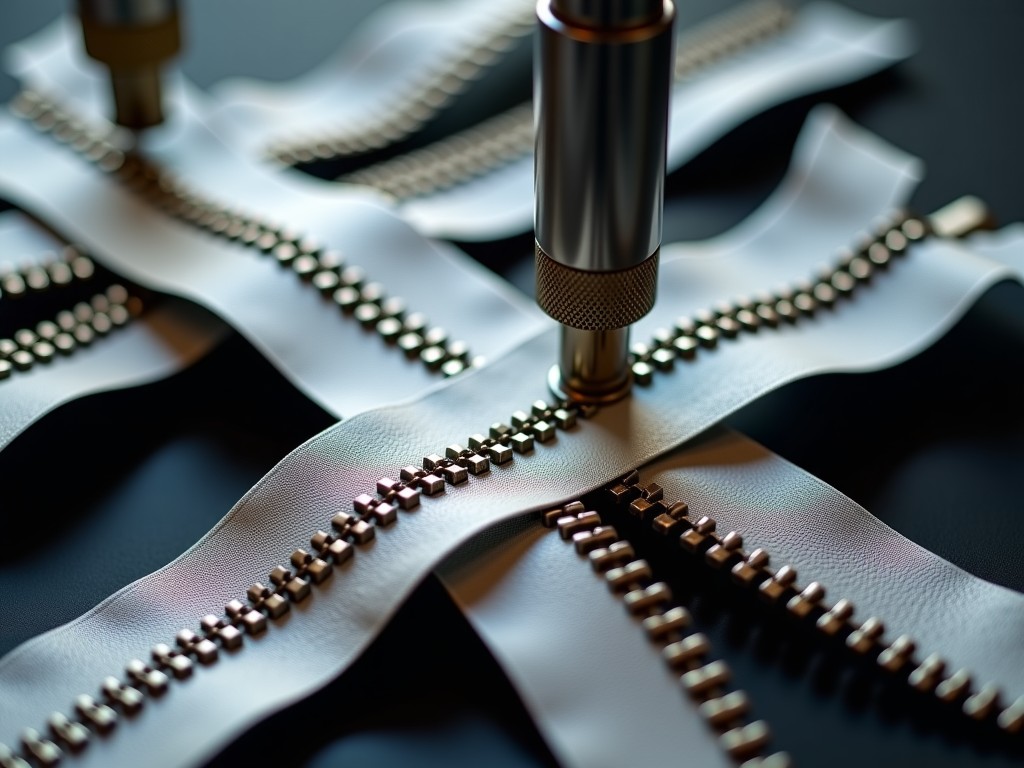
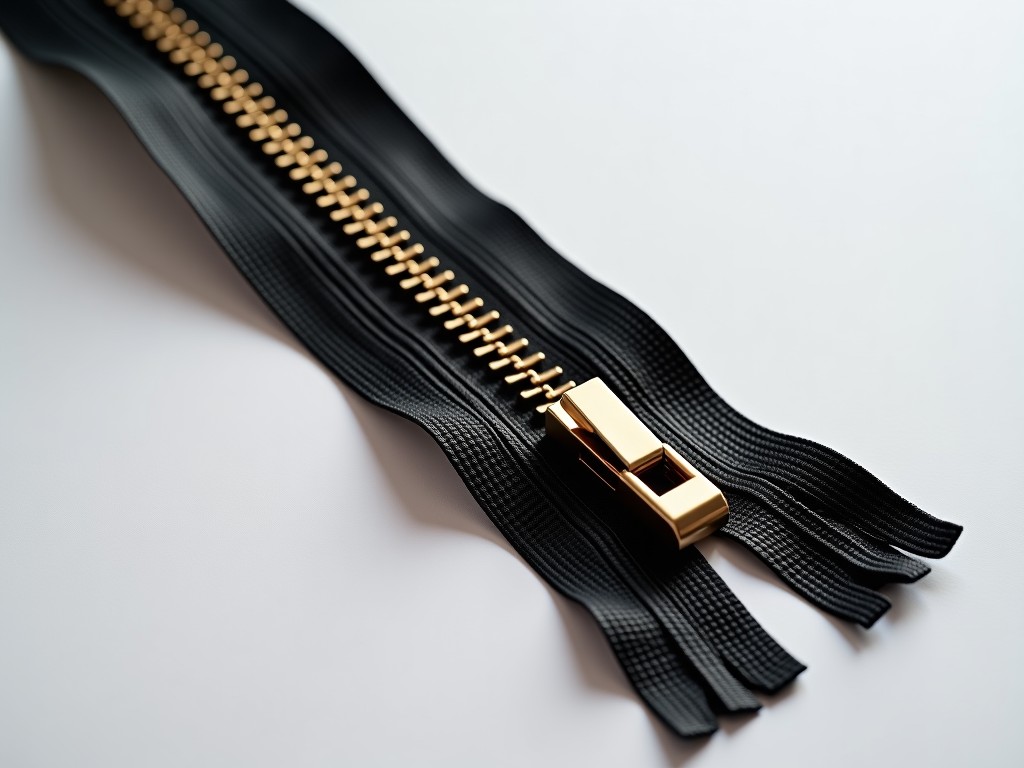
A custom metal zipper machine integrates precision stamping, progressive die feeding, and automated tooth‑forming stations into a single line that can be configured for brass, aluminum, or stainless‑steel zipper chains. The platform is built around a modular frame so that stroke length, pitch, and tooth geometry are adjusted by swapping tooling modules rather than rebuilding the entire press.
Because the drive system uses a servo‑controlled crankshaft with closed‑loop position feedback, repeatability stays within ±0.02 mm across a 300 mm working width. That level of control reduces scrap rates on high‑volume runs and makes the equipment suitable for both rapid prototyping and continuous 24/7 production.
Core Technical Parameters
| Parameter | Typical Value / Range | Customization Note |
|---|---|---|
| Maximum chain width | 300 mm | Up to 400 mm on request |
| Tooth pitch | 1.5 mm – 4.0 mm | Adjustable via interchangeable pitch plates |
| Stroke speed | 0 – 120 spm (strokes per minute) | Servo profile programmable per batch |
| Material thickness | 0.15 mm – 0.45 mm | Thicker gauges require reinforced die set |
| Control system | PLC + HMI with Ethernet/IP | Optional OPC-UA for MES integration |
| Power consumption | ≈ 18 kW at full load | Energy‑saving mode reduces to 9 kW idle |
Why This Machine Fits Your Production Line
Apparel manufacturers that switch from plastic to metal zippers gain a 30 % increase in tensile strength without changing garment patterns. The machine’s quick‑change tooling lets a single line produce both standard Y‑type and inverted‑box teeth, eliminating the need for a second dedicated press.
Automotive trim suppliers benefit from the closed‑loop servo because the same equipment can run low‑volume prototype batches (≤ 5 k pieces) and then ramp to 150 k pieces per shift with only a recipe change on the HMI. That flexibility shortens time‑to‑market for new vehicle programs.
For distributors offering private‑label zipper kits, the modular die library means a new customer’s branding tooth profile can be tooled in under two weeks, keeping inventory lean while still delivering a differentiated product.
Customization Options
- Interchangeable pitch plates (1.5 mm, 2.0 mm, 3.0 mm, 4.0 mm)
- Die sets for brass, aluminum 6061, stainless‑steel 304/316
- Optional ultrasonic welding station for sealed zipper ends
- Integrated vision inspection (tooth height, pitch, surface defect)
- Custom HMI language packs and user‑level access control
- Extended frame for 400 mm chain width with reinforced guide rails
Quality Assurance & Inspection
Every machine ships after a 48‑hour run‑in at rated speed while logging servo position error, temperature rise, and lubrication pressure. Data is stored on the onboard PLC and can be exported for customer acceptance reports.
In‑process inspection points include a laser micrometer on the first tooth station, a high‑speed camera at the forming station, and a force transducer on the crimping module. Out‑of‑spec parts trigger an automatic reject gate, keeping the downstream line clean.
Calibration certificates for the servo encoder and laser sensor are provided, traceable to national standards. Annual recalibration service contracts are available on request.
Frequently Asked Questions
Can the machine dimensions be customized for an existing floor layout?
Yes. The base frame can be shortened or lengthened in 150 mm increments, and the overall height can be adjusted by swapping the column set. Provide your layout drawing early so we can confirm clearance for material handling.
What information is required before a formal quotation?
Typical data includes target chain width, tooth pitch, material type and thickness, desired output (pieces per hour), and any special integration requirements such as MES connectivity or cleanroom compliance.
Which materials are available for the zipper chain?
Standard offerings cover brass C26000, aluminum 6061‑T6, and stainless‑steel 304/316. Other alloys can be evaluated; the die material and lubrication schedule will be adapted accordingly.
How is quality inspected during production?
Inline laser micrometry, vision inspection, and force monitoring run continuously. A statistical process control (SPC) dashboard on the HMI displays Cp/Cpk values in real time, and any drift beyond set limits forces an automatic stop.
What packaging methods are used for export shipment?
Machines are secured on fumigated wooden skids, wrapped in VCI‑treated stretch film, and placed in a sealed 20‑ft container with desiccant packs. Shock‑watch indicators are attached for transit monitoring.
What is the typical production lead time?
Standard configurations ship in 10–12 weeks after order confirmation. Custom tooling or extended frames add 3–4 weeks. A detailed schedule is issued with the pro‑forma invoice.
How are samples arranged?
We can run a pilot batch of 1,000–2,000 pieces on a test machine at our facility. Sample zipper chains are shipped with full inspection reports; the cost is credited against a subsequent production order.
Request a Quotation
Share your specification sheet or a brief description of the zipper profile you need. Our engineering team will return a detailed proposal, including tooling layout, cycle‑time estimate, and total cost of ownership within three business days.