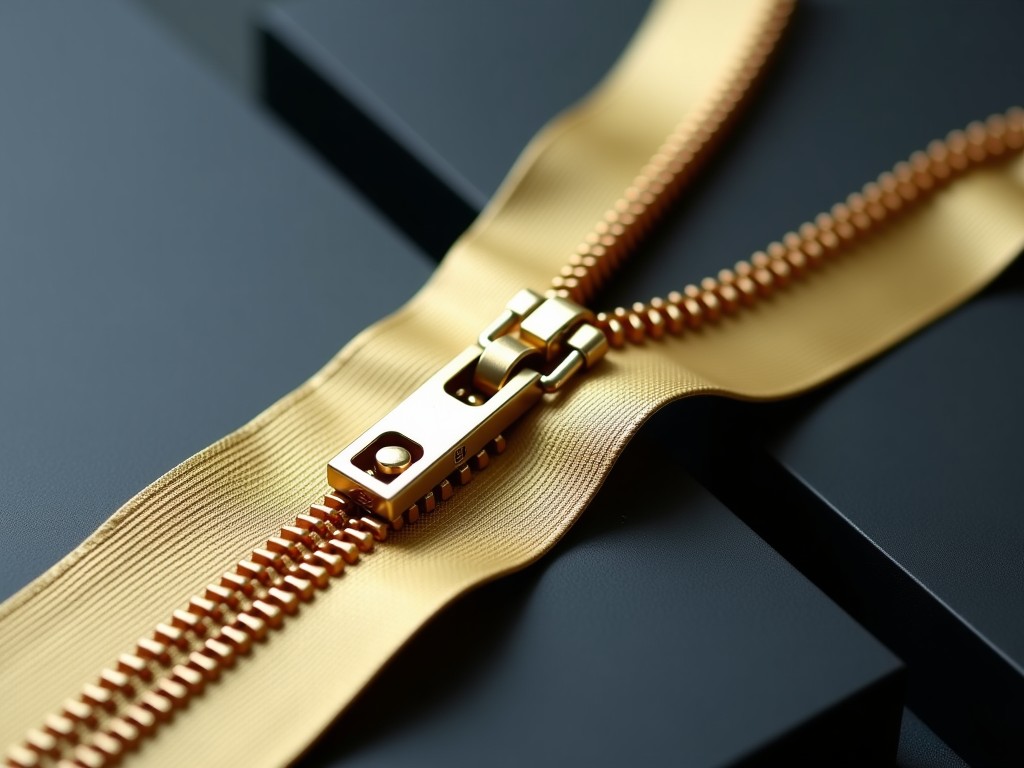
Custom Brass Metal Zipper Machine Manufacturer
The machine is engineered to produce continuous brass‑metal zipper chains with precise tooth geometry and consistent pitch. A servo‑driven feeding system synchronizes wire straightening, forming, and
Custom Brass Metal Zipper Machine Manufacturer
Product Overview
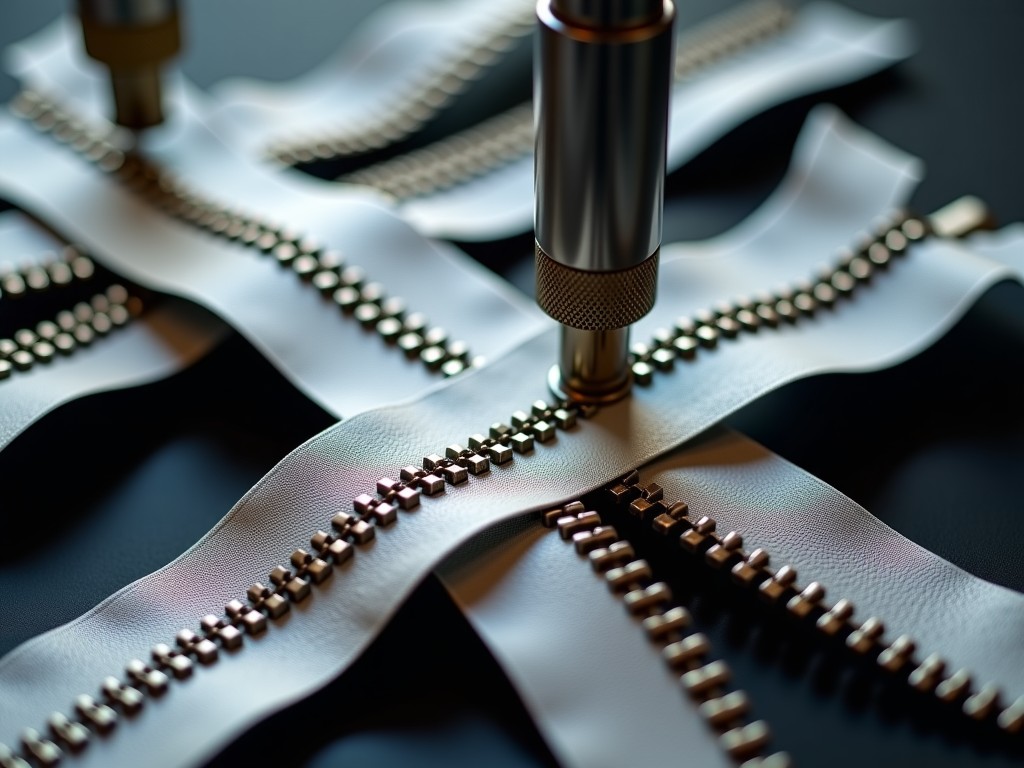
The machine is engineered to produce continuous brass‑metal zipper chains with precise tooth geometry and consistent pitch. A servo‑driven feeding system synchronizes wire straightening, forming, and crimping stations, allowing tolerances within ±0.02 mm on tooth height.
Brass alloy selection (CuZn37, CuZn40) is configurable to match corrosion‑resistance requirements for marine, automotive, and high‑end apparel markets. The modular tooling layout enables rapid changeover between zipper sizes ranging from 3 mm to 10 mm tooth width.
Technical Parameters
| Parameter | Typical Value | Customization Range |
|---|---|---|
| Maximum Production Speed | 120 m/min | 80–150 m/min (servo‑adjustable) |
| Tooth Pitch | 3.0 mm – 10.0 mm | 2.5 mm – 12.0 mm (tooling dependent) |
| Wire Diameter | 0.30 mm – 0.80 mm | 0.25 mm – 1.00 mm |
| Brass Alloy Options | CuZn37, CuZn40 | CuZn30 – CuZn45 (on request) |
| Power Consumption | ≈ 12 kW (continuous) | 9–15 kW (depends on speed) |
| Footprint (L×W×H) | 3.2 m × 1.1 m × 1.8 m | Modular frames allow ±0.3 m adjustment |
Application Fit
Marine‑grade zippers demand brass that resists salt‑spray corrosion; the machine’s alloy flexibility lets producers select CuZn40 for superior pitting resistance while maintaining formability.
Automotive interior trim uses heavier‑gauge zipper chains (≈ 0.70 mm wire) for seat‑cover fasteners; the servo‑controlled crimp force ensures repeatable joint strength exceeding 1.2 kN per tooth.
High‑fashion apparel often requires ultra‑fine 3 mm pitch zippers with decorative finishes; the quick‑change tooling reduces setup time from hours to under 30 minutes, supporting short‑run production.
Customization Capabilities
- Tooth profile geometry (standard, reverse, double‑lock) via interchangeable forming dies.
- Integrated inline coating station for nickel, chrome, or PVD finishes.
- Automatic length‑cut and packaging module (roll, cut‑to‑length, or individual bagging).
- PLC‑based data logging for traceability (production batch, alloy lot, speed profile).
- Remote diagnostics interface (Ethernet/IP, Modbus TCP) for predictive maintenance.
Quality Assurance
Each machine undergoes a 48‑hour run‑in at rated speed while monitoring tooth height, pitch, and crimp force via laser micrometers and load cells. Statistical process control charts are generated for the first 10,000 m of output; capability indices (Cp, Cpk) must exceed 1.33 before shipment.
Incoming brass wire is inspected for tensile strength (≥ 350 MPa) and surface finish (Ra ≤ 0.8 µm). Finished zipper chains are sampled every 500 m for dimensional verification and salt‑spray testing (ASTM B117, 96 h) when marine specification is requested.
Packaging & Delivery
Standard export packaging consists of a steel‑frame wooden crate (ISPM‑15 compliant) with vibration‑damping foam inserts. The crate dimensions are tailored to the machine footprint plus 150 mm clearance on all sides.
Optional sea‑freight container loading includes shock‑monitoring loggers (recorded data provided on USB). Air‑freight shipments use custom‑built aluminum pallets with tie‑down points for rapid handling.
Frequently Asked Questions
Can the machine produce non‑standard tooth shapes?
Yes. Custom forming dies are machined from hardened tool steel (HRC 58‑62) based on customer CAD data; lead time for die set is typically 4‑6 weeks.
What information is required for a quotation?
Provide desired tooth pitch range, wire diameter, brass alloy, target speed, and any inline finishing or packaging requirements. A brief layout sketch of the production floor helps assess integration.
How is quality inspected before shipment?
A full acceptance test runs the machine at 90 % rated speed for 8 hours while recording all critical dimensions. Test reports, SPC charts, and a certificate of conformity are shipped with the equipment.
What are typical lead times?
Standard configuration: 10‑12 weeks from order confirmation. Custom tooling or coating stations add 3‑5 weeks.
Are spare parts and service contracts available?
A recommended spare‑parts kit (forming dies, crimp rollers, servo motors) is quoted with the machine. Annual service contracts cover preventive maintenance visits and remote firmware updates.
Next Steps
To discuss your specific zipper chain requirements and receive a detailed proposal, please reach out through one of the channels below.