China Metal Zipper Machine Manufacturer
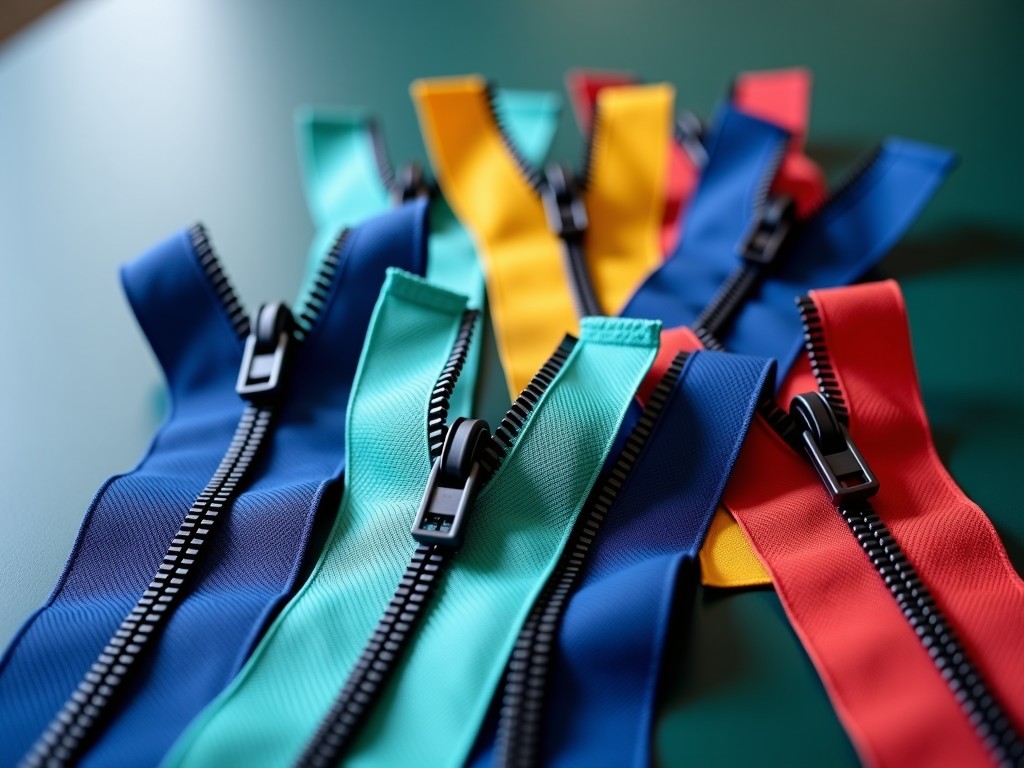
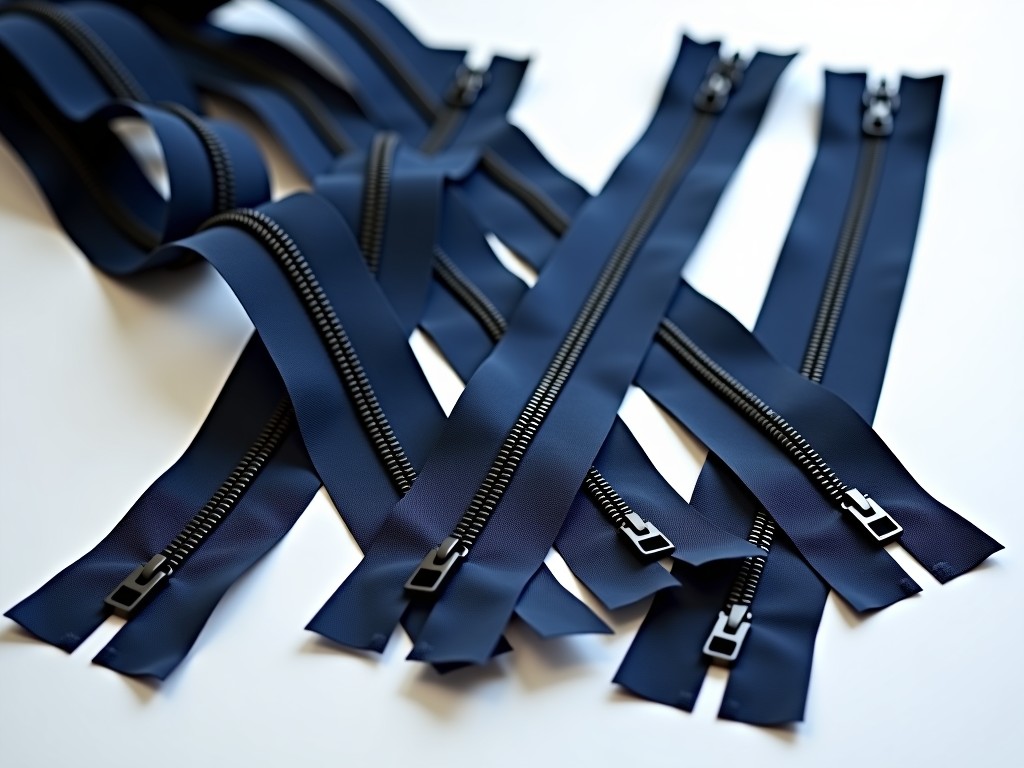
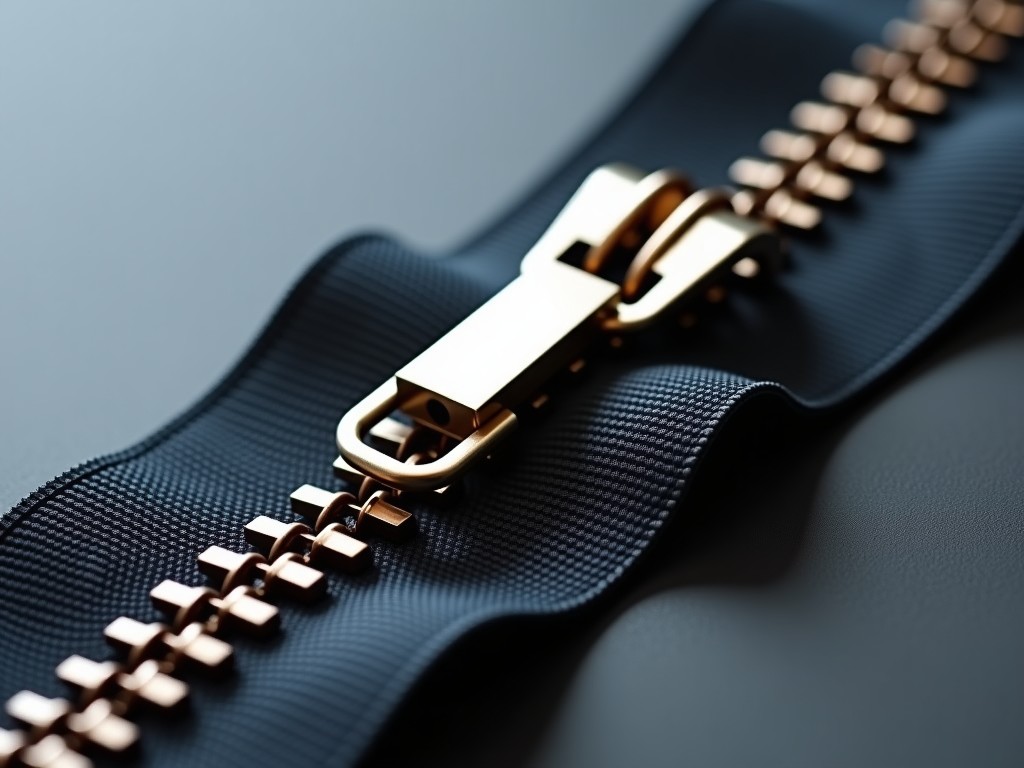
Metal zipper machines are specialized equipment that form metal teeth from wire and attach them to textile tape to produce durable zippers used in apparel, luggage, industrial gear, and automotive
Metal Zipper Machine – Manufacturer in China
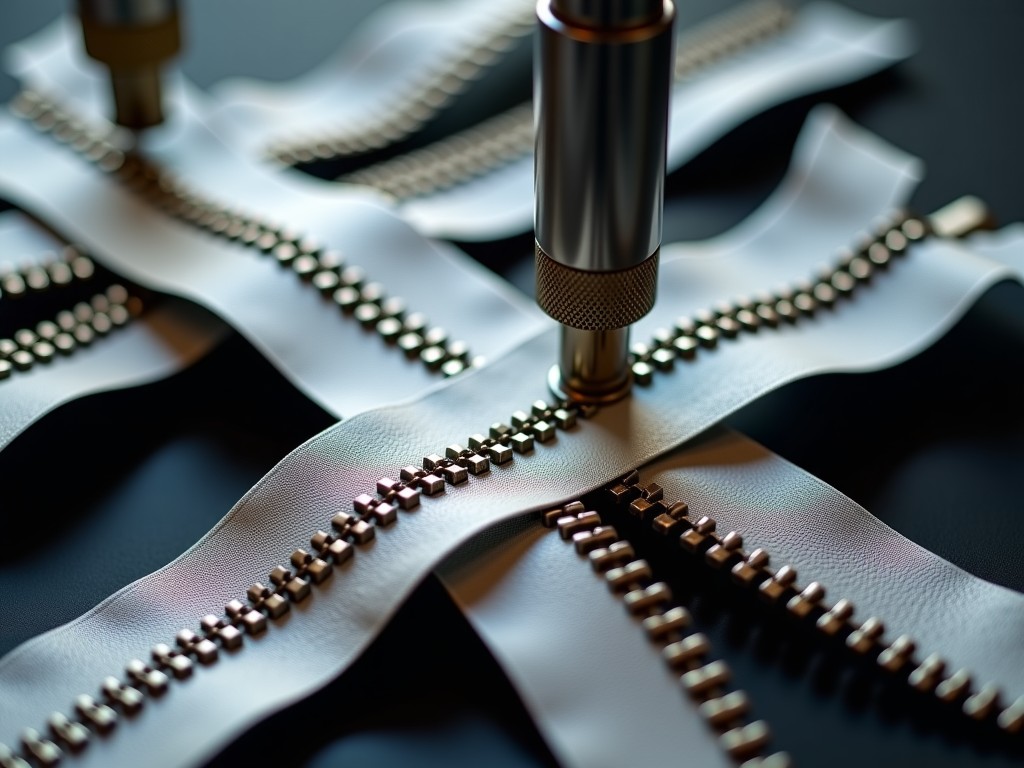
Metal zipper machines are specialized equipment that form metal teeth from wire and attach them to textile tape to produce durable zippers used in apparel, luggage, industrial gear, and automotive applications. The process involves feeding metal wire, shaping it into teeth, and securely bonding the teeth to the tape under controlled tension.
Technical Overview
Typical specifications include a production speed of 150‑200 cycles per minute, single or double needle configurations, and servo‑motor drive systems that allow precise speed and tension control. Compatible wire diameters usually range from 0.4 mm to 0.8 mm, while tape width can be adjusted from 20 mm to 50 mm depending on the model. Motor power generally falls between 1.5 kW and 3 kW, and machines are equipped with PLC‑based controls and HMI interfaces for recipe management.
Key Applications
In heavy‑duty sectors such as outdoor workwear, military gear, and luggage manufacturing, metal zippers provide superior tensile strength and resistance to abrasion compared with plastic alternatives. The metal teeth also offer better performance in high‑temperature environments and are often chosen for products requiring a premium appearance or specific corrosion‑resistant finishes like nickel, brass, or antique plating.
Customization Options
- Tooth pitch (teeth per inch) ranging from 4 to 10
- Tooth profile options: square, round, or rounded‑square
- Surface coatings: nickel, brass, antique, or custom plating
- Tape materials: polyester, nylon, or cotton blends
- Machine working width adaptable to narrow or wide tape production
- Integration with automatic wire feeding and tape splicing units
- Optional touchscreen HMI with multi‑language support
Quality Control & Testing
Quality assurance begins with incoming wire inspection for diameter tolerance and tensile strength, followed by in‑process monitoring of tooth geometry using vision systems. Finished zippers undergo pull‑off tests to verify tooth‑to‑tape adhesion, corrosion‑resistance salt‑spray assessments, and dimensional checks against customer‑specified pitch and width. Statistical process control (SPC) charts are maintained for critical parameters to ensure repeatability.
Typical Technical Parameters
| Parameter | Typical Value | Notes |
|---|---|---|
| Production Speed | 150‑200 cycles/min | Dependent on tooth pitch and wire size |
| Needle Count | 1 or 2 | Single for standard, double for high‑output |
| Wire Diameter Range | 0.4 mm – 0.8 mm | Adjustable via guide rollers |
| Tape Width Range | 20 mm – 50 mm | Custom widths available on request |
| Motor Power | 1.5 kW – 3 kW | Servo‑motor for precise control |
| Control System | PLC + HMI | Multi‑language, recipe storage |
| Overall Dimensions (L×W×H) | ≈1800 mm × 900 mm × 1500 mm | Varies with model and options |
| Weight | ≈800 kg – 1200 kg | Dependent on frame and accessories |
Frequently Asked Questions
Q: Can the machine produce both metal and plastic zippers?
A: Models are typically configured for either metal or plastic tooth formation; converting between the two requires changing the shaping dies and feeding system, which is possible but involves downtime.
Q: What information is needed before receiving a quotation?
A: Buyers should provide desired tooth pitch, tape width, wire material, coating type, production volume, and any required integration with upstream or downstream equipment.
Q: Which materials are available for the zipper teeth and tape?
A: Teeth can be made from brass, copper, zinc alloy, or stainless steel; tape options include polyester, nylon, or cotton blends, with custom widths and treatments available.
Q: How is machine quality verified before shipment?
A: Each unit runs a factory acceptance test (FAT) that includes speed verification, tooth‑pull strength, coating adhesion, and electrical safety checks; a test report is supplied with the machine.
Q: What packaging and shipping options are offered?
A: Machines are secured on wooden pallets with protective foam and stretch film; full container load (FCL) or less‑than‑container load (LCL) arrangements can be arranged based on destination.
Q: What is the typical production lead time?
A: Lead times generally range from 6 to 10 weeks after receipt of technical confirmation and deposit, depending on model complexity and current workshop load.
Q: Can samples be arranged for evaluation?
A: Sample zipper runs can be produced on request; the customer provides tape and wire specifications, and the manufacturer ships a limited quantity for approval.
Contact for Inquiry
To discuss your specific requirements, request a detailed quotation, or arrange a technical consultation, please use the inquiry link below.