Ce Certified Metal Zipper Machine For Leather Goods And Luxury Bags Supplier
The machine is engineered for continuous production of metal zipper chains that meet the dimensional tolerances and surface finish required by premium leather goods and luxury bag manufacturers. Its
CE Certified Metal Zipper Machine for Leather Goods and Luxury Bags
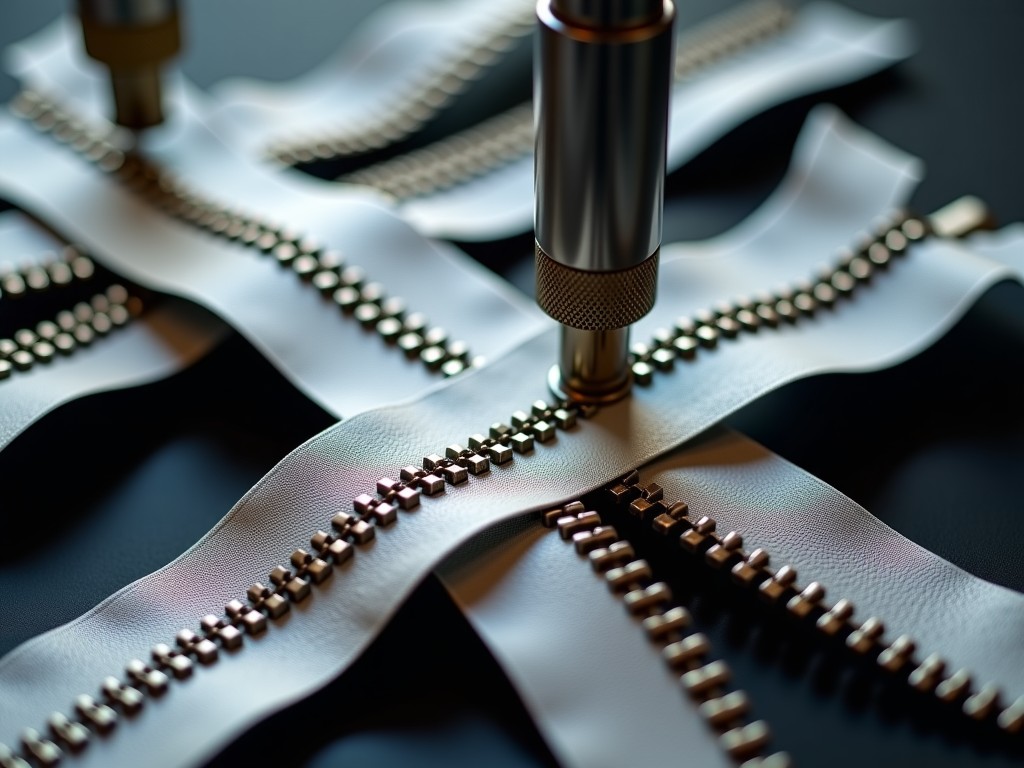
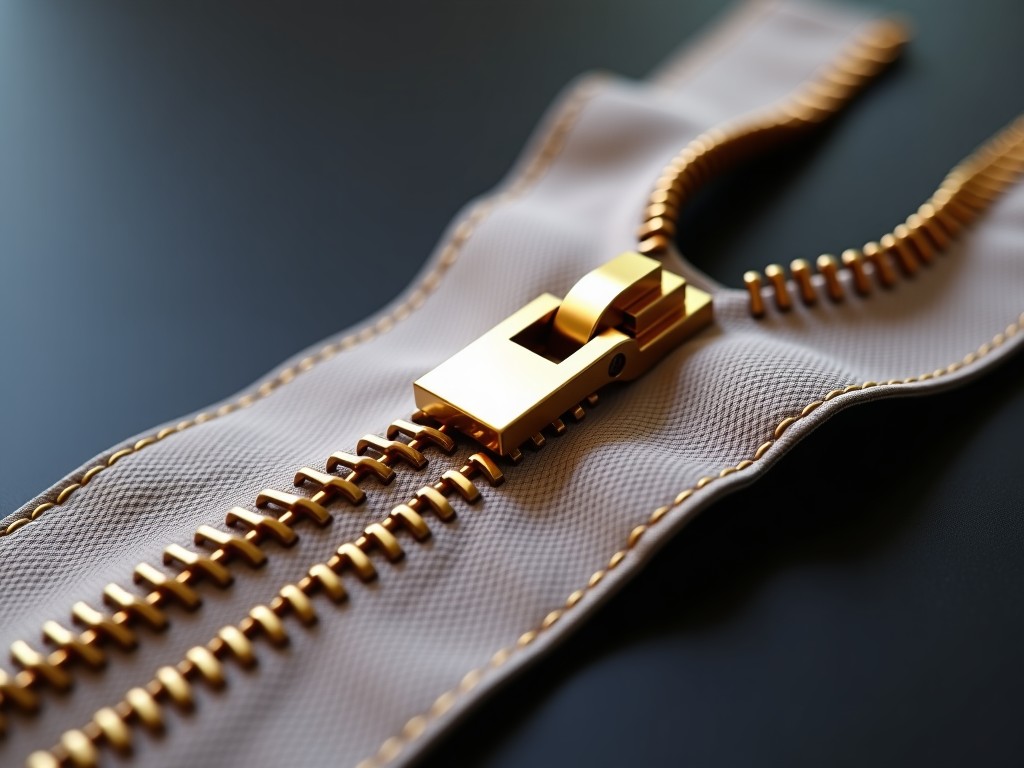
The machine is engineered for continuous production of metal zipper chains that meet the dimensional tolerances and surface finish required by premium leather goods and luxury bag manufacturers. Its frame is built from stress‑relieved steel, and the drive system uses closed‑loop servo motors to maintain consistent pitch across long runs.
Compliance with the CE mark confirms conformity to the Machinery Directive 2006/42/EC, the Low Voltage Directive 2014/35/EU, and the EMC Directive 2014/30/EU, reducing regulatory risk for OEMs exporting to the European market.
Technical Specifications
| Parameter | Typical Value / Range |
|---|---|
| Zipper chain width | 3 mm – 12 mm (customizable) |
| Tooth pitch | 1.5 mm – 3.0 mm (adjustable via die set) |
| Maximum production speed | Up to 120 m/min (dependent on material thickness) |
| Material thickness capacity | 0.15 mm – 0.45 mm brass, nickel‑silver, or stainless steel strip |
| Main motor power | 7.5 kW servo drive (dual‑axis) |
| Control system | PLC with 10‑inch HMI, Ethernet/IP, Modbus TCP |
| Overall dimensions (L×W×H) | 2,850 mm × 1,200 mm × 1,650 mm |
| Machine weight | Approx. 3,200 kg |
| Compressed air requirement | 0.6 MPa, 150 L/min (for pneumatic clamps) |
| CE certification | Machinery, Low Voltage, EMC – documented in Declaration of Conformity |
Key Engineering Features
Servo‑driven feed rollers synchronize with the die‑cutting station, eliminating pitch drift that commonly occurs on cam‑driven machines. The closed‑loop tension controller monitors strip tension in real time and compensates for coil‑diameter variation, which is critical when processing thin brass for high‑gloss finishes.
A quick‑change die cassette reduces setup time from hours to under 30 minutes, allowing a single line to switch between standard YKK‑type profiles and custom tooth geometries demanded by luxury brands.
- Dual‑axis servo drive with electronic gearing for precise pitch control
- Automatic strip tension regulation ±0.5 N
- Modular die cassette with hardened tool steel inserts (HRC 58‑62)
- Integrated laser inspection for tooth height and alignment
- Remote diagnostics via secure VPN tunnel
Why This Machine Fits Leather Goods and Luxury Bag Production
Leather goods require zipper chains that slide smoothly through thick, treated hides without snagging. The machine’s ability to hold tooth height tolerance within ±0.02 mm ensures consistent engagement force, while the polished die surface produces a low‑friction finish that preserves the leather’s surface integrity.
Luxury bag makers often specify decorative metal finishes — brushed nickel, antique brass, or PVD‑coated colors. The strip‑feed path is designed for minimal surface contact, reducing the risk of marking the strip before downstream plating or coating operations.
Because the machine accepts a wide range of strip thicknesses, a single investment can serve both standard zipper lines (0.25 mm) and heavy‑duty chains for structured bags (0.40 mm), simplifying inventory and floor‑space planning.
CE Certification and Compliance
The Declaration of Conformity references harmonized standards EN ISO 12100 (risk assessment), EN 60204‑1 (electrical safety), and EN 61000‑6‑2/‑6‑4 (industrial EMC). All safety guards are interlocked, emergency stop circuits are Category 1 per EN ISO 13849‑1, and the machine ships with a complete technical file for EU importers.
Third‑party verification was performed by a notified body (NB 0123) and the CE mark is affixed to the nameplate and the accompanying documentation package.
Customization Options
Beyond the standard range, the platform can be tailored to project‑specific requirements. Typical customizations include:
- Non‑standard chain widths up to 20 mm for oversized closures
- Special tooth profiles (e.g., inverted, double‑row) via CNC‑machined die inserts
- Alternative control interfaces: Profibus, EtherCAT, or proprietary API
- Integration with upstream coil‑unwinders and downstream zipper‑tape welding stations
- Stainless‑steel construction for cleanroom environments
Quality Control and Inspection
Each machine undergoes a three‑stage inspection before shipment: (1) geometric verification of the frame and linear guides using laser tracker (±0.01 mm), (2) functional run‑in at 80 % rated speed for 8 hours with continuous data logging of pitch error and tension, (3) final acceptance test witnessed by the buyer’s representative or via live video link. Inspection records, calibration certificates, and a first‑article inspection report are supplied with the delivery dossier.
Packaging, Shipping, and Export Protection
The unit is secured on a fumigated wooden skid, wrapped in VCI‑impregnated stretch film, and enclosed in a plywood crate with shock‑absorbing foam corners. Desiccant packs maintain relative humidity below 40 % during sea freight. Lifting points are marked per ISO 3767, and a detailed packing list with weight distribution is provided for customs clearance.
Frequently Asked Questions
Can the chain width and tooth profile be customized after purchase?
Yes. The modular die cassette allows swapping die inserts without removing the main frame. New profiles can be CNC‑machined and installed in under an hour.
What information is required before a formal quotation?
We need target chain width, tooth pitch, strip material and thickness, desired output speed, and any specific surface‑finish or regulatory requirements.
Which strip materials are compatible?
Brass (C26000), nickel‑silver (C75200), stainless steel 304/316, and optional aluminum alloys for lightweight zippers. Material selection influences maximum speed and die wear.
How is quality inspected during production?
In‑line laser sensors measure tooth height, pitch, and alignment every 10 mm. Data is stored on the PLC and can be exported for statistical process control.
What is the typical production lead time?
Standard configurations ship within 10‑12 weeks after order confirmation. Custom die work adds 2‑4 weeks depending on complexity.
Request a Quotation or Technical Consultation
Our engineering team can review your zipper specifications, simulate pitch stability, and propose the optimal machine configuration. Contact our engineering team for a detailed proposal, or request a formal quotation. A technical datasheet with full dimensional drawings is also available for download: Download the technical datasheet.