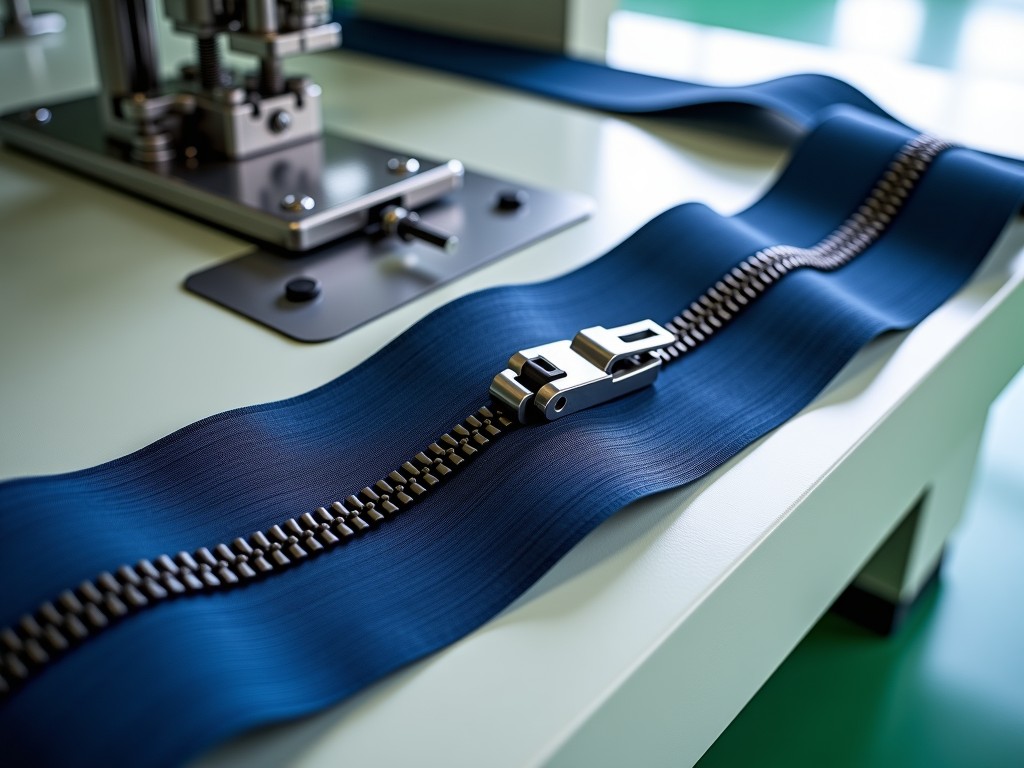
Buy Zipper Production Machine For Bags Factory
Selecting a zipper production machine for a bag factory requires evaluating throughput consistency, tape compatibility, and the precision of slider mounting mechanisms. These systems integrate chain
Zipper Production Machine for Bag Manufacturing Lines
Selecting a zipper production machine for a bag factory requires evaluating throughput consistency, tape compatibility, and the precision of slider mounting mechanisms. These systems integrate chain forming, teeth injection or coiling, slider attachment, and cutting into a continuous inline process. The decision impacts downstream sewing efficiency directly, as dimensional variance in zipper chain width or slider gap tolerance creates bottlenecks during bag assembly.
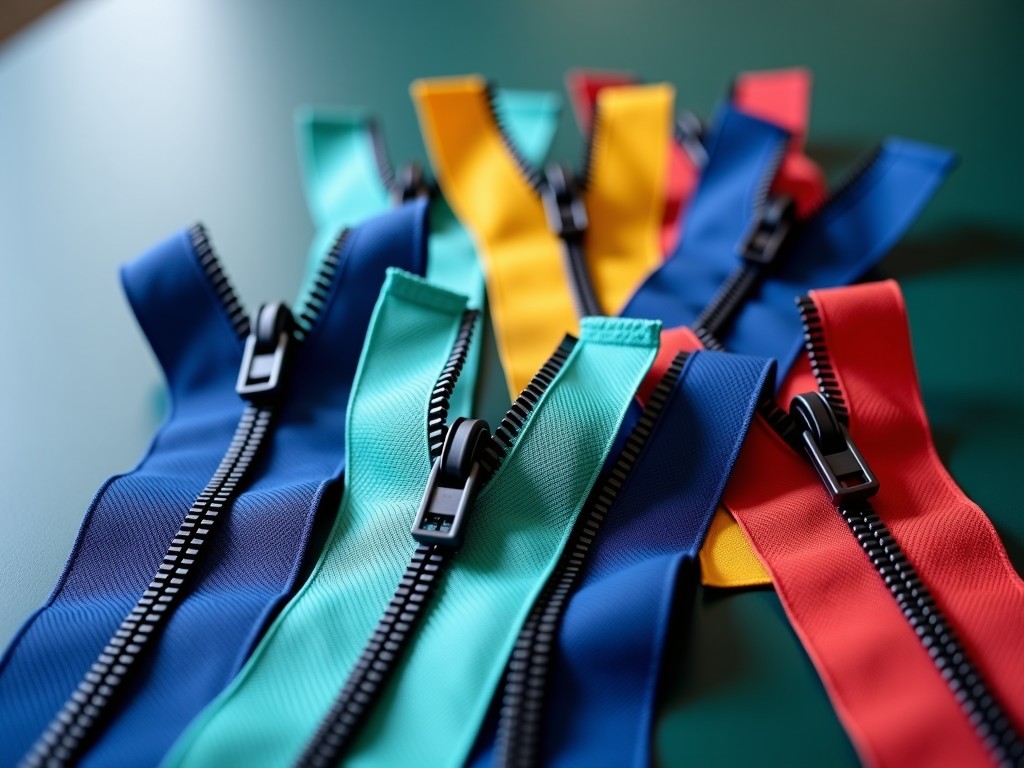
Equipment configurations typically separate by zipper type: nylon coil, injected plastic (Delrin/POM), and metal (brass/aluminum/nickel). Each type demands distinct forming heads, heating profiles, and lubrication systems. A bag factory producing diverse SKUs — ranging from lightweight garment pouches to heavy-duty luggage — often benefits from modular platforms allowing quick changeover between coil and injection heads rather than dedicated single-purpose lines.
Capital expenditure calculations must factor in compressor capacity for pneumatic clamping, chiller sizing for injection cooling, and three-phase power stability for servo-driven tape feeders. Undersized utilities cause cycle time drift that compounds across high-volume shifts.
Core Technical Specifications
| Parameter | Typical Range / Configuration | Notes for Bag Factory Application |
|---|---|---|
| Zipper Type Compatibility | Nylon Coil (Size 3-10), Injected Plastic (Size 3-8), Metal (Size 3-10) | Modular head swap required for material change; verify die inventory availability |
| Production Speed (Chain) | 120–220 m/min (Coil), 80–150 m/min (Injection), 60–100 m/min (Metal) | Actual output depends on tape tension stability and cooling efficiency |
| Slider Mounting Rate | 1,800–3,600 pcs/min (Auto-feed) | Critical for closed-end bag zippers; verify slider magazine capacity |
| Tape Width Range | 10 mm – 38 mm (Standard polyester/cotton blend) | Wider tapes for luggage require reinforced guide rails |
| Chain Width Tolerance | ±0.05 mm (Coil), ±0.08 mm (Injection) | Directly affects sewing needle alignment downstream |
| Power Supply | 380V / 50Hz / 3-Phase (Customizable to 480V/60Hz) | Peak draw during heater ramp-up; confirm transformer capacity |
| Compressed Air Requirement | 0.6–0.8 MPa, 0.8–1.2 m³/min | Dry, oil-free air prevents contamination on transparent tape |
| Control System | PLC + HMI (Siemens/Mitsubishi/Delta options) | Recipe storage for 50+ SKU changeovers; Ethernet/IP for MES integration |
| Footprint (L×W×H) | Approx. 6.5m × 2.2m × 1.8m (Full inline configuration) | Requires 1.5m clearance on operator side for die changes |
Forming Technology Comparison
Nylon coil machines wind monofilament around a heated mandrel, fusing the coil to the tape edge via ultrasonic or hot-air welding. The process suits high-speed, lightweight bag production — cosmetic pouches, pencil cases, promotional totes — where flexibility and color variety are priorities. Coil density (teeth per inch) adjusts via gear ratio changes on the winding head.
Injected plastic machines meter molten POM (polyoxymethylene) into rotating molds that form teeth directly onto the tape. Cooling time governs cycle speed; water-chilled mold plates reduce it by 15–20% compared to air cooling. These zippers dominate mid-range luggage, backpacks, and duffel bags where tooth strength exceeds coil but cost stays below metal.
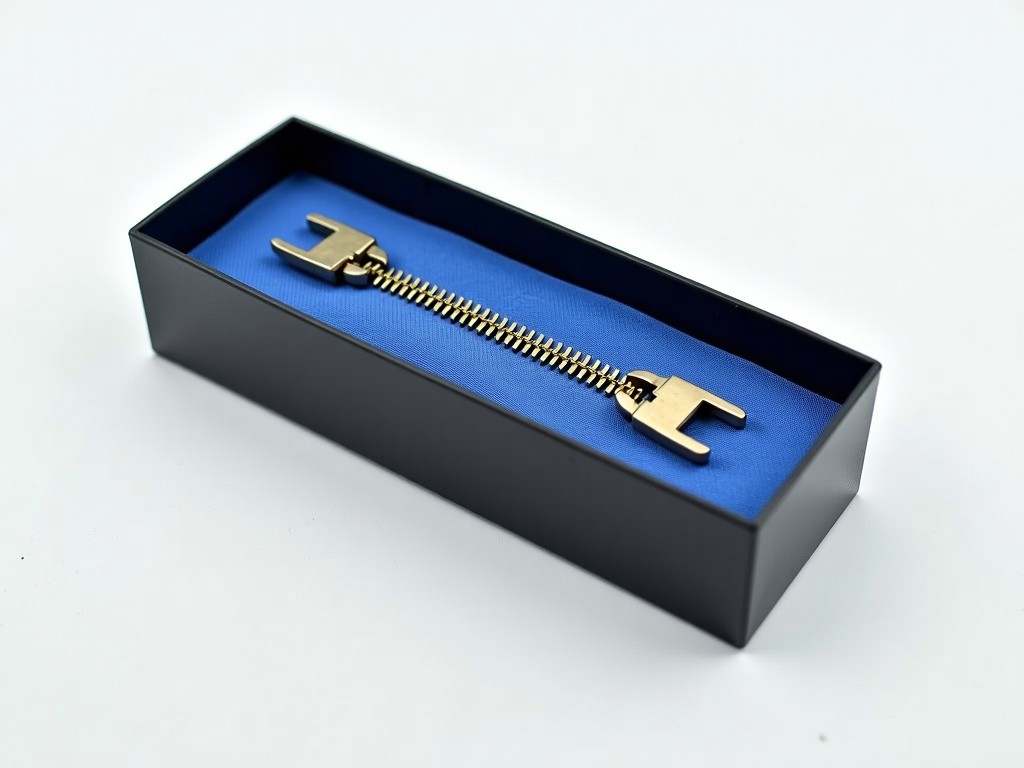
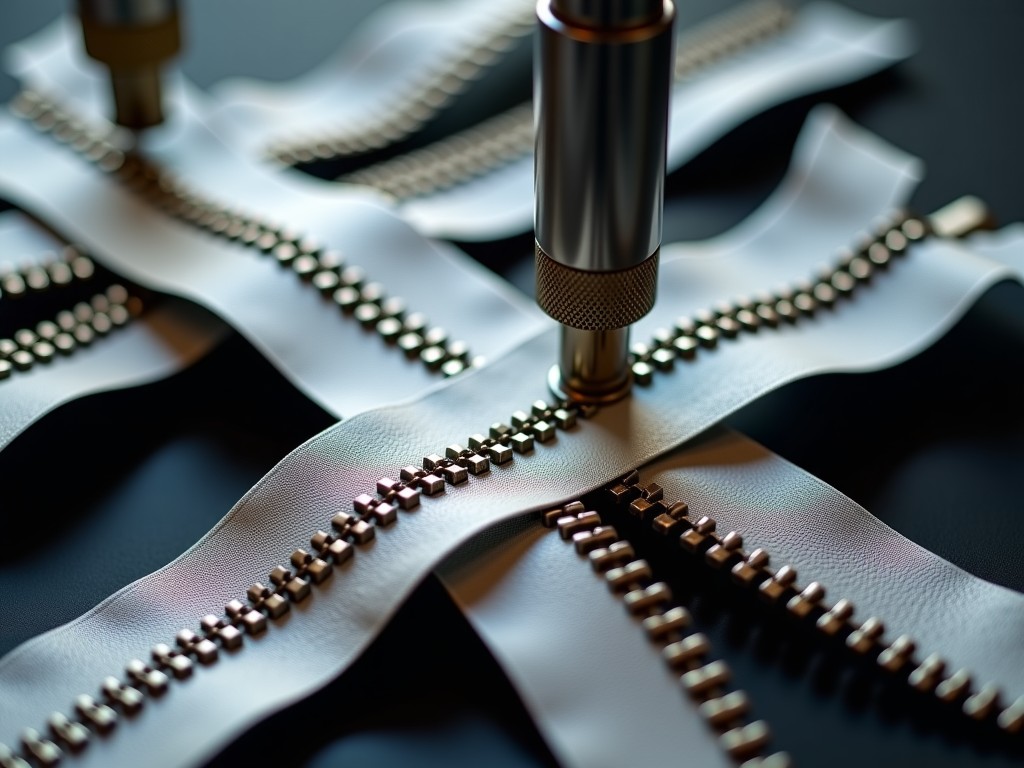
Metal zipper lines stamp teeth from flat wire (brass, aluminum, nickel-silver) and clinch them onto tape. The stamping force — typically 8–12 tons — demands rigid frame construction to maintain tooth pitch accuracy over million-cycle runs. Heavy-duty luggage, military gear, and premium leather goods specify metal for abrasion resistance and aesthetic weight.
Critical Subsystems Affecting Output Quality
Tape Tension Control
Servo-driven dancer rollers maintain constant tension within ±2% across acceleration and deceleration phases. Fluctuations cause wave deformation in the finished chain, leading to puckering when sewn into bag panels. Closed-loop feedback from load cells outperforms pneumatic dancer arms for thin tapes below 12 mm width.
Slider Mounting Precision
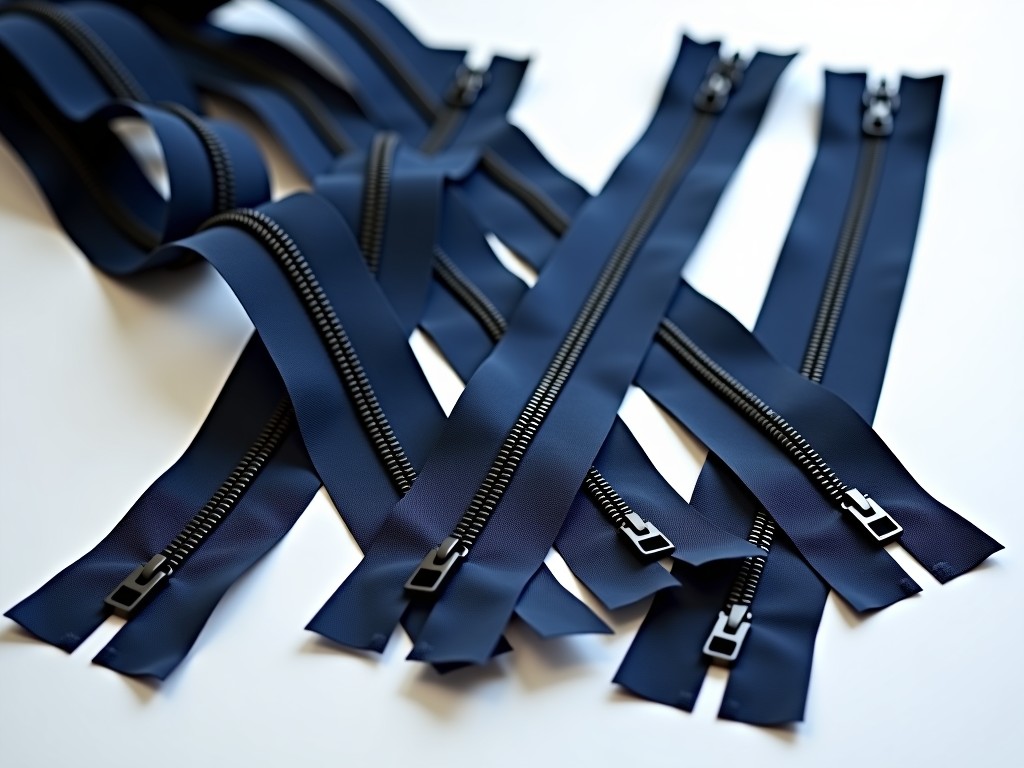
Automatic slider feeders orient and present sliders to the clamping jaws. Vision inspection confirms nose-gap alignment before crimping. Misaligned sliders — the primary cause of field returns — typically stem from worn feeder bowls or incorrect slider batch tolerances. Machines with in-line optical gauging reject non-conforming units without stopping the line.
Heat Management for Injection Lines
Barrel temperature zones (typically 4–6) require independent PID control with thermocouple placement at melt front, not just barrel wall. Melt temperature variance above ±3°C creates shot weight inconsistency, visible as tooth height variation. Chiller approach temperature (ΔT) should stay below 2°C for stable cycle times during summer ambient conditions.
Application Fit by Bag Category
Lightweight promotional bags and cosmetic pouches run on nylon coil Size 3–5 at maximum line speed. The low clamping force of coil teeth reduces tape distortion on thin polyester fabrics. Changeover time between colors — critical for short-run seasonal orders — averages 25 minutes with quick-release mandrels and pre-threaded tape stands.
Backpacks and duffel bags specify injected plastic Size 5–8. The tooth geometry resists grit ingestion better than coil, a factor for outdoor use. Production scheduling often groups by tape color (black, OD green, coyote brown) to minimize purge waste during material transitions.
Hard-sided luggage and tactical gear require metal Size 5–10 with brass or antique brass plating. The stamping head exerts significant vibration; foundation bolts must anchor to a reinforced concrete pad, not standard factory flooring. Plating bath compatibility (nickel-free for EU REACH) should be confirmed before die procurement.
Fire-resistant zippers for aviation or industrial safety bags use meta-aramid tape with injected FR-rated POM. The machine requires ceramic-coated heater bands and nitrogen purge option to prevent oxidative degradation during processing.
Customization Parameters
Engineering teams should define the following before quotation to avoid scope creep during commissioning:
- Target zipper sizes and types (list all SKUs planned for next 24 months)
- Tape material specs: composition, width, thickness, roll weight, core ID
- Slider specifications: alloy, plating, pull-tab style, automatic vs. manual feed
- Required daily output in meters or finished pieces per shift
- Factory utility limits: available amperage, air compressor CFM, chiller tonnage
- Integration needs: MES data points, barcode labeling, automated boxing
- Regulatory marks: CE, UL, CCC depending on export destination
Non-standard requests — such as dual-color co-injection teeth, RFID tag insertion during slider mounting, or laser-etched logos on metal teeth — require feasibility trials. Pilot runs of 5,000–10,000 meters validate process stability before full acceptance.
Quality Assurance & Inspection Protocols
Outgoing inspection follows a three-tier structure. First-article inspection (FAI) verifies dimensional compliance against approved drawings: chain width, tooth height, tape edge distance, slider gap, and pull force. Statistical process control (SPC) tracks critical-to-quality (CTQ) parameters every 30 minutes during production — typically chain width and slider mounting force.
Destructive testing samples undergo cross-section microscopy to verify tooth-to-tape fusion depth (minimum 0.3 mm for injection, full clinch for metal). Salt spray testing (ASTM B117) validates plating adhesion for metal zippers destined for marine or humid environments. Cycle life testing — 5,000 open/close cycles under load — simulates end-use abuse for luggage programs.
Documentation package includes material certificates (tape, POM resin, brass wire), heat treatment records for stamping dies, and PLC parameter backup files. Digital traceability via QR code on each production batch links to process logs for warranty claims.
Frequently Asked Technical Questions
Can the machine produce both open-end and closed-end zippers on the same line?
Yes. The slider mounting module configures for open-end (box + pin insertion) or closed-end (single slider crimp) via recipe selection. Changeover requires swapping the pin/box feeder bowl and updating the vision inspection template — approximately 15 minutes.
What is the typical lead time for a complete inline system?
Standard configurations (coil or injection, single head) ship in 60–75 working days after drawing approval. Multi-head modular platforms with metal stamping capability extend to 90–110 days due to die fabrication and heat treatment cycles. Expedited options may be available for stocked sub-assemblies.
How are spare parts managed for high-wear components?
Critical wear parts — injection mold cavities, coil mandrels, stamping dies, slider feeder bowls, heater bands — are identified in a recommended spare parts list (RSPL) provided with the quotation. Consumable kits for 12-month operation typically represent 3–5% of machine value. Common components (bearings, cylinders, sensors) use standard industrial part numbers for local sourcing.
What training is included during commissioning?
Standard commissioning covers 5 working days on-site: mechanical alignment, electrical checkout, parameter tuning for each zipper type, operator HMI navigation, preventive maintenance schedules, and troubleshooting fault codes. Advanced training — SPC data analysis, recipe optimization, mold maintenance — is available as a separate module.
How is the equipment packaged for sea freight export?
Main frame ships on open-top container (OT) or flat rack (FR) with vacuum-sealed desiccant packs and VCI film wrapping. Electrical cabinets, HMI, and servo drives pack in fumigated wooden cases with shock indicators. Die sets and precision components travel in climate-controlled packaging. Reassembly requires 3-ton overhead crane access at destination.
Can existing tape inventory be used, or is proprietary tape required?
Standard polyester/cotton blend tapes from major suppliers (YKK tape specs, Coats, local qualified mills) are compatible. Tape edge profile (selvage type), thickness consistency (±0.03 mm), and surface friction coefficient must meet machine feed requirements. Trial runs with buyer-supplied tape rolls are recommended before bulk tape procurement.
Ready to define the exact configuration for your bag factory production plan?
Submit your SKU list, target volumes, and utility specs for a detailed technical proposal and layout drawing.
Request Technical Proposal