China Compact Hot Chamber Die Casting Machine Company
The compact hot chamber die casting machine combines the melting furnace and injection plunger within a single frame, eliminating the need for separate transfer ladles. This integration reduces cycle
Compact Hot Chamber Die Casting Machine
Overview
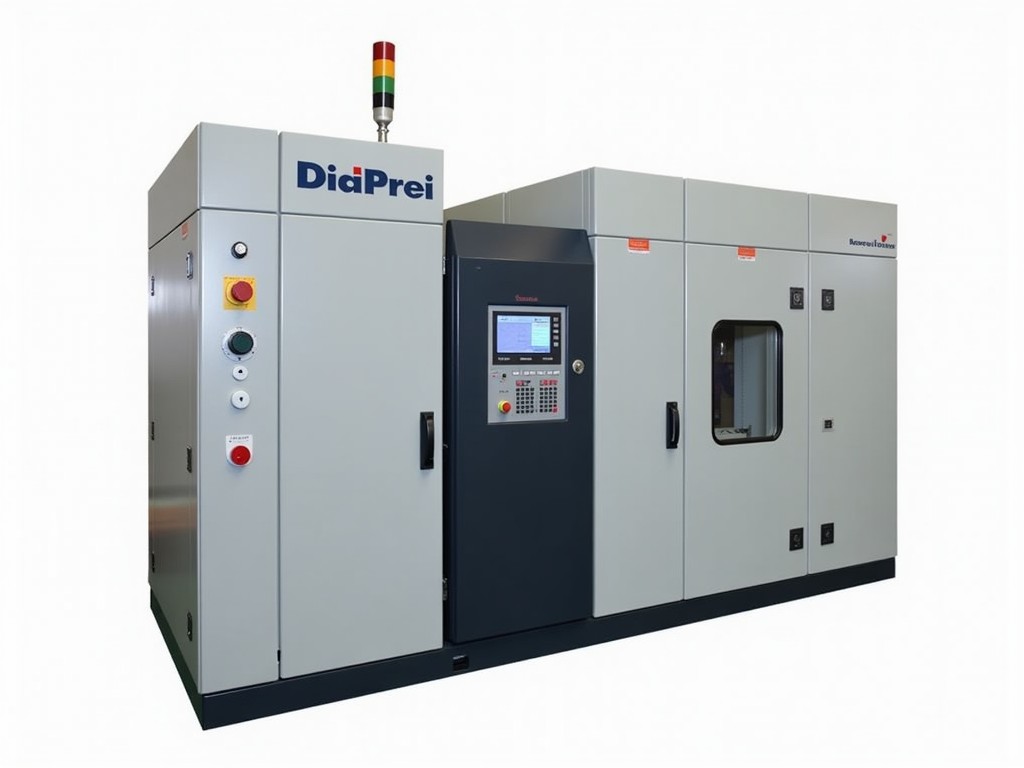
The compact hot chamber die casting machine combines the melting furnace and injection plunger within a single frame, eliminating the need for separate transfer ladles. This integration reduces cycle time by keeping the molten metal in a sealed, temperature‑controlled environment, which is essential for alloys with low melting points such as zinc (Zn‑Al‑Cu) and magnesium (Mg‑Al‑Zn).
Floor‑plan savings of 30 %–45 % are typical when compared with conventional hot chamber systems that require a separate furnace and hydraulic power unit. The machine’s footprint is optimized for retrofit into existing die casting cells where space is at a premium.
Technical Specifications
| Parameter | Typical Value | Remarks |
|---|---|---|
| Clamping Force | 120 – 250 kN | Adjustable via hydraulic pressure settings |
| Shot Weight (Zn) | 0.05 – 0.45 kg | Dependent on plunger diameter and stroke |
| Injection Pressure | 400 – 700 bar | Controlled by proportional valve |
| Die Height (max) | 350 mm | Accommodates standard 2‑plate dies |
| Motor Power | 7.5 kW (hydraulic) + 3 kW (furnace) | Total connected load |
| Overall Dimensions (L×W×H) | 1800 mm × 1100 mm × 1900 mm | Approximate; varies with option packages |
Material Compatibility
The hot chamber design restricts use to alloys that do not aggressively attack the plunger and gooseneck at operating temperatures. Commonly processed materials include:
- Zinc alloys (Zn‑Al‑Cu, Zn‑Al)
- Magnesium alloys (Mg‑Al‑Zn, Mg‑Zn‑Zr)
- Low‑melting‑point aluminum alloys (Al‑Si, Al‑Cu) when equipped with reinforced gooseneck
Material selection influences plunger coating, furnace temperature set‑point, and cycle time. For aluminum alloys, a sacrificial nitride‑coated plunger is typically recommended to mitigate erosion.
Process Advantages
Because the molten metal remains inside the heated gooseneck, oxidation and heat loss are minimized. This results in:
- More consistent shot-to-shot weight (variation ≤ 1.5 %)
- Reduced dross formation (< 0.2 % of metal charge)
- Lower energy consumption per part (≈ 0.8 kWh/kg for zinc)
The closed‑loop temperature control (± 2 °C) maintains melt viscosity within the optimal range for thin‑wall geometries, enabling wall thicknesses as low as 0.4 mm in zinc die castings.
Quality Assurance
Each machine undergoes factory acceptance testing that includes:
- Verification of clamping force linearity (± 3 % across range)
- Measurement of injection pressure repeatability (standard deviation ≤ 10 bar)
- Thermal uniformity check of the furnace (± 1.5 °C over 30 min)
Die casting trials are performed with customer‑specified alloys to confirm dimensional stability and surface finish before shipment. All critical dimensions are inspected using a CMM with a repeatability of 0.005 mm.
Customization Options
The platform supports several modular adaptations to match specific production requirements:
- Plunger diameters from 30 mm to 60 mm (affects shot weight range)
- Hydraulic intensifier ratios for higher injection pressure without increasing pump size
- Alternate furnace heating methods (electric resistance vs. induction)
- Integrated die lubrication spray system with programmable timing
- Safety interlocks compliant with CE and ISO 12100 standards
Lead time for standard configurations is typically 6–8 weeks; fully customized units may require 10–12 weeks depending on option complexity.
Applications
Compact hot chamber machines are favored in sectors where high‑volume production of small, intricate components is required and where floor space is constrained. Typical use cases include:
- Connector housings and terminals for automotive electronics
- Watch cases, gears, and ferrules in consumer goods
- Medical device enclosures needing tight tolerances and biocompatible finishes
- Hardware components such as buckles, clips, and fasteners for aerospace interiors
In each of these applications, the ability to maintain tight dimensional control while running at cycle times under 8 seconds per shot directly impacts unit cost and throughput.
Frequently Asked Questions
Can the machine be adapted for higher melting point alloys?
The hot chamber configuration is limited to alloys with melting points below approximately 425 °C. For higher‑temperature materials, a cold chamber system is recommended.
What information is needed to prepare a quotation?
Key inputs include desired clamping force, shot weight range, target alloy, die dimensions, and any special options such as integrated lubrication or specific safety certifications.
How is the machine shipped to avoid damage?
The unit is secured on a steel skid with shock‑absorbing brackets, covered with corrosion‑inhibiting film, and placed inside a wooden crate rated for ISTA‑3 transit testing.
What is the typical production lead time after order confirmation?
Standard models ship within 6–8 weeks. Custom configurations involving non‑standard plunger sizes or furnace types generally require 10–12 weeks.
Contact for Technical Inquiry
To discuss how a compact hot chamber die casting machine can be integrated into your production line, please reach out via the contact form.
Request Technical Details