China Cold Chamber Pressure Die Casting Machine Suppliers
Cold‑chamber pressure die casting remains the preferred route for high‑melting‑point alloys such as aluminum, magnesium and copper‑based materials. Chinese suppliers now offer a complete range of
China Cold Chamber Pressure Die Casting Machine Suppliers
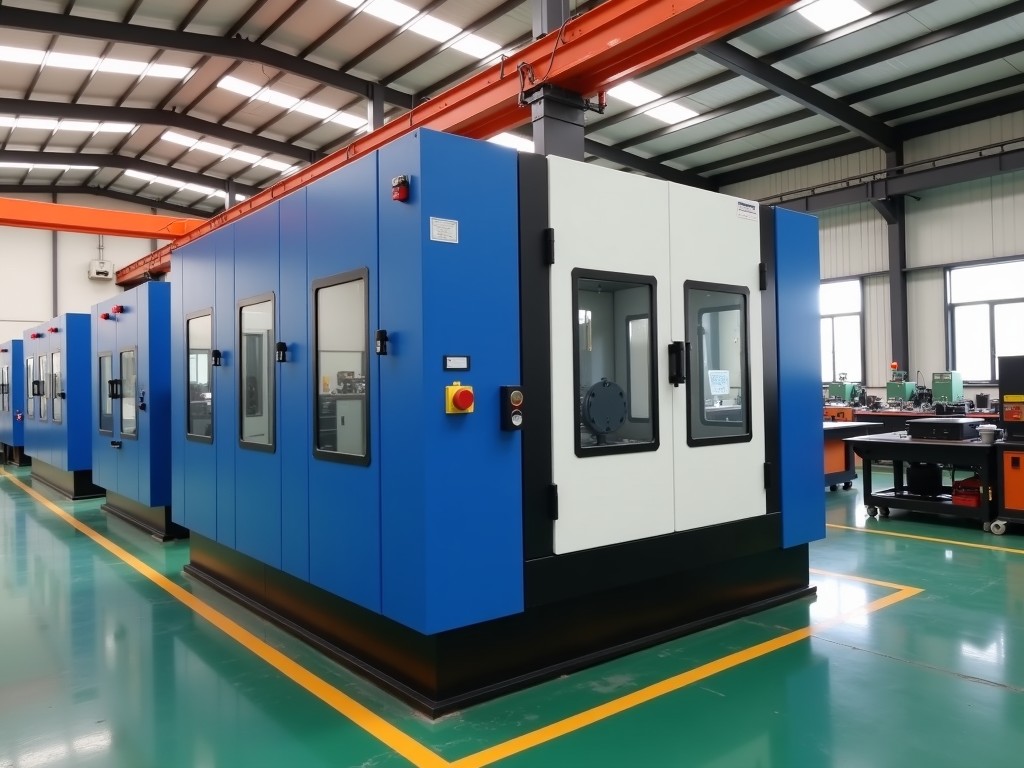
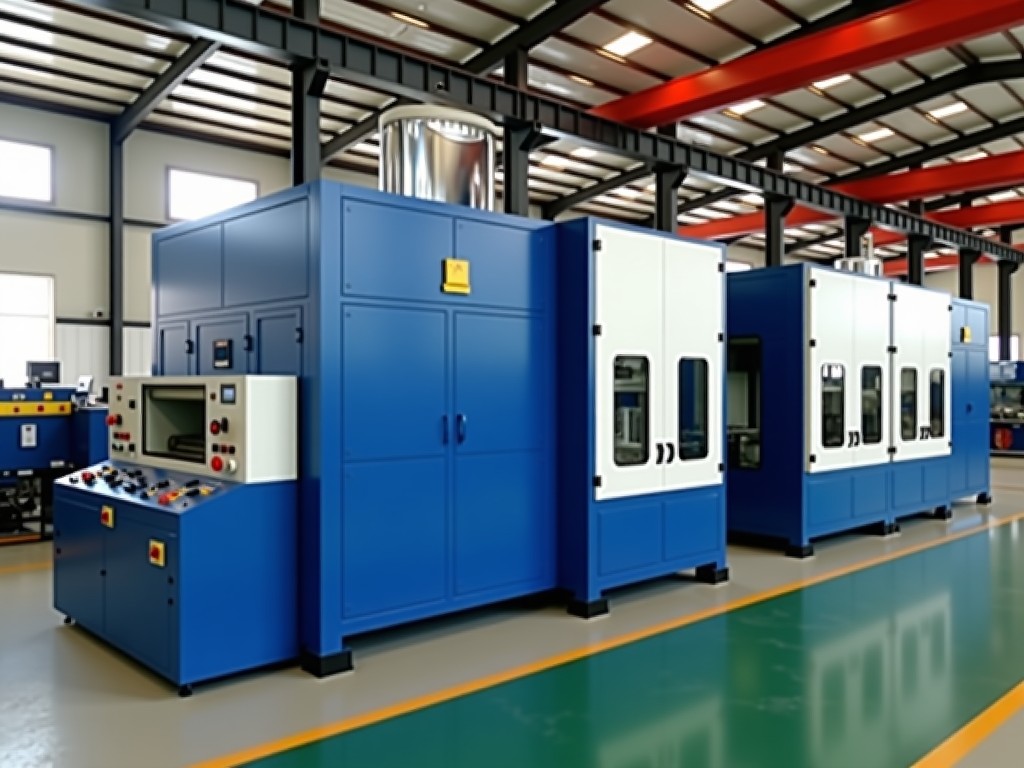
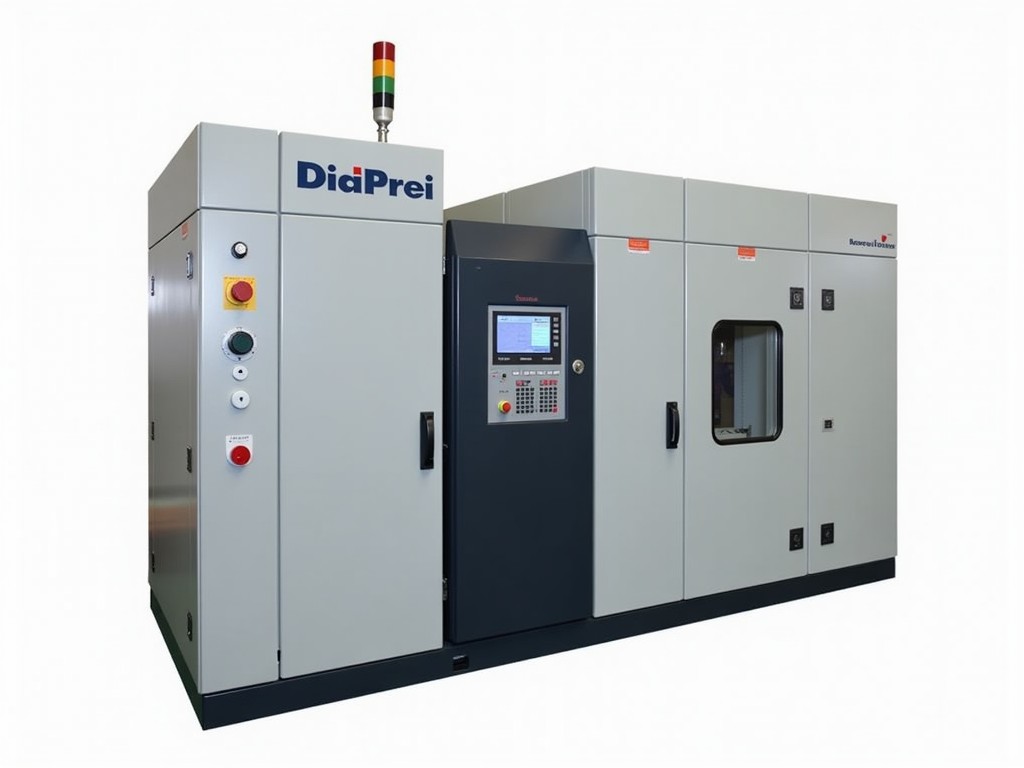
Cold‑chamber pressure die casting remains the preferred route for high‑melting‑point alloys such as aluminum, magnesium and copper‑based materials. Chinese suppliers now offer a complete range of machines from 150 t to 4 000 t locking force, with programmable shot control, real‑time process monitoring and modular frame designs that simplify line integration.
Typical Machine Configurations
Most manufacturers supply a baseline platform that can be tailored through interchangeable modules. The table below summarizes the most common specifications you will encounter when comparing quotations.
| Parameter | Typical Range | Customization Notes |
|---|---|---|
| Locking force | 150 t – 4 000 t | Step increments of 50 t; higher forces on request |
| Shot weight (Al) | 0.5 kg – 120 kg | Dependent on plunger diameter and pressure profile |
| Injection pressure | 150 MPa – 600 MPa | Multi‑stage pressure curves programmable |
| Platen size | 400 mm × 400 mm – 1 200 mm × 1 200 mm | Modular platens allow quick changeover |
| Control system | PLC + HMI (Siemens, Mitsubishi, or domestic brands) | Open‑protocol OPC‑UA available for MES integration |
| Cycle time (dry shot) | 2.5 s – 8 s | Optimised by accumulator sizing and valve response |
Core Technical Advantages
Chinese OEMs have invested heavily in closed‑loop hydraulic servo valves, which reduce pressure overshoot to less than 2 % of setpoint. This precision directly lowers porosity in thin‑wall sections, a common defect in automotive structural castings.
Frame rigidity is achieved through box‑type welded steel with stress‑relieved heat treatment, delivering a deflection under full lock of <0.02 mm/m. The result is consistent die alignment over millions of cycles, extending die life by 15‑20 % compared with older C‑frame designs.
- Servo‑driven injection for repeatable metal velocity profiles.
- Integrated vacuum‑assist option reduces gas entrapment in high‑integrity parts.
- Automatic lubrication circuit with flow‑monitoring alarms.
- Energy‑recovery accumulator cuts peak power demand by up to 30 %.
Typical Application Scenarios
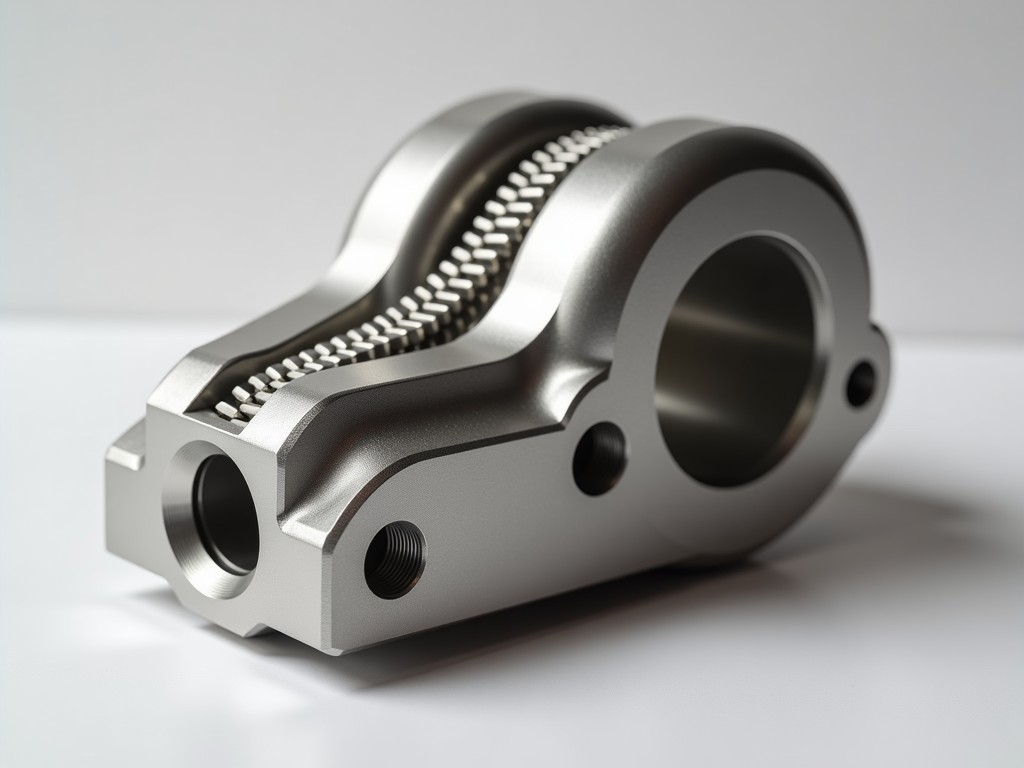
Automotive powertrain housings benefit from the high injection speeds that fill complex rib networks before solidification begins. In the electronics sector, the machines produce heat‑sink enclosures where dimensional tolerance of ±0.05 mm is required; the closed‑loop pressure control maintains wall thickness uniformity across the batch.
Aerospace brackets, often cast in Al‑Si‑Mg alloys, exploit the vacuum‑assist module to achieve <0.1 % porosity, meeting NADCAP‑level inspection criteria. The same platform can be re‑tooled for magnesium alloy components in lightweight drone frames, where rapid cycle times keep unit cost competitive.
Customization & Integration Options
Suppliers typically offer a menu of add‑ons rather than a fixed catalogue. The most requested items include:
- Robotic ladle or automatic pour‑over systems for unattended operation.
- Die‑temperature control zones (up to 12 independent circuits).
- In‑line X‑ray or ultrasonic inspection stations linked to the machine PLC.
- Remote diagnostics via secure VPN, enabling firmware updates without onsite visits.
When requesting a quote, provide the target alloy, projected annual volume, required cycle time, and any existing automation interface specifications. This data allows the supplier to size the accumulator, select the appropriate servo valve, and propose a control architecture that matches your MES.
Quality Assurance & Inspection
Each machine undergoes a factory acceptance test (FAT) that includes: hydraulic pressure hold at 1.2× rated pressure for 30 min, injection repeatability test over 200 consecutive shots (standard deviation <0.5 % of set pressure), and a full‑cycle thermal stability run of 8 h. Documentation — pressure curves, temperature logs, and vibration spectra — is supplied with the shipment.
Post‑installation, most vendors provide a 12‑month warranty covering hydraulic seals, servo valves, and PLC hardware. Extended service contracts can include predictive maintenance analytics based on sensor data streaming to a cloud dashboard.
Frequently Asked Questions
- Can the machine dimensions be customized to fit an existing cell?
- Yes. Frame width, platen spacing, and overall height are adjustable in 50 mm increments; special layouts are engineered on a project basis.
- What information is required before a formal quotation?
- Alloy type, target shot weight, desired cycle time, available floor space, and preferred control brand.
- Which materials can be processed on a cold‑chamber machine?
- Aluminum, magnesium, copper‑based alloys, and certain zinc‑aluminum hybrids. High‑melting‑point steels require hot‑chamber equipment.
- How is quality inspected before shipment?
- FAT includes pressure hold, injection repeatability, and thermal stability tests; full test reports are provided.
- What packaging methods protect the machine during export?
- Machines are secured on steel skids, wrapped in VCI film, and enclosed in fumigated wooden crates with shock‑absorbing corners.
- What is the typical production lead time?
- Standard configurations ship in 8‑12 weeks; heavily customized units may require 16‑20 weeks.
- How are samples arranged for evaluation?
- Suppliers can run trial castings on a demo machine at their facility; sample parts and process data are shipped for your inspection.
Next Steps
Selecting the right cold‑chamber pressure die casting machine hinges on aligning hydraulic performance, control architecture, and integration capability with your production targets. The suppliers listed in this directory have demonstrated the engineering depth to deliver machines that meet those criteria.
To discuss your specific casting program, request a detailed specification sheet, or schedule a virtual factory tour, please reach out through our contact form.
Request a Consultation