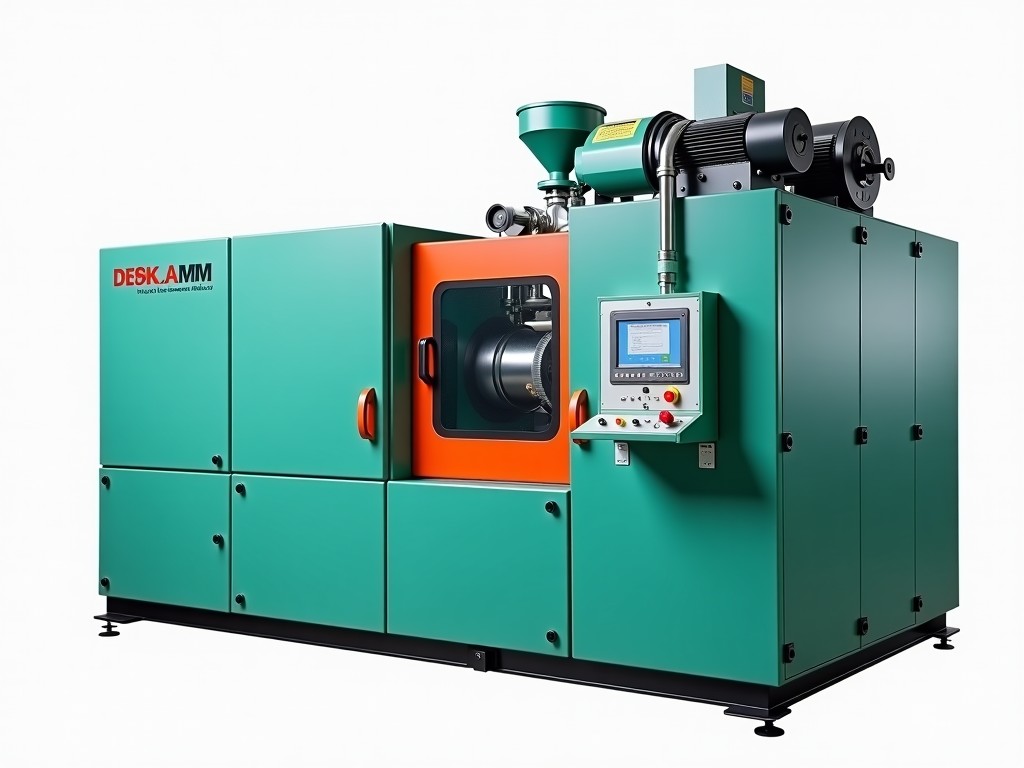
China Cold Chamber Die Casting Machine Manufacturer
Cold chamber die casting machines inject molten metal into a steel die under high pressure while the metal reservoir remains outside the heated chamber. This arrangement prevents alloy contamination
China Cold Chamber Die Casting Machine Manufacturer
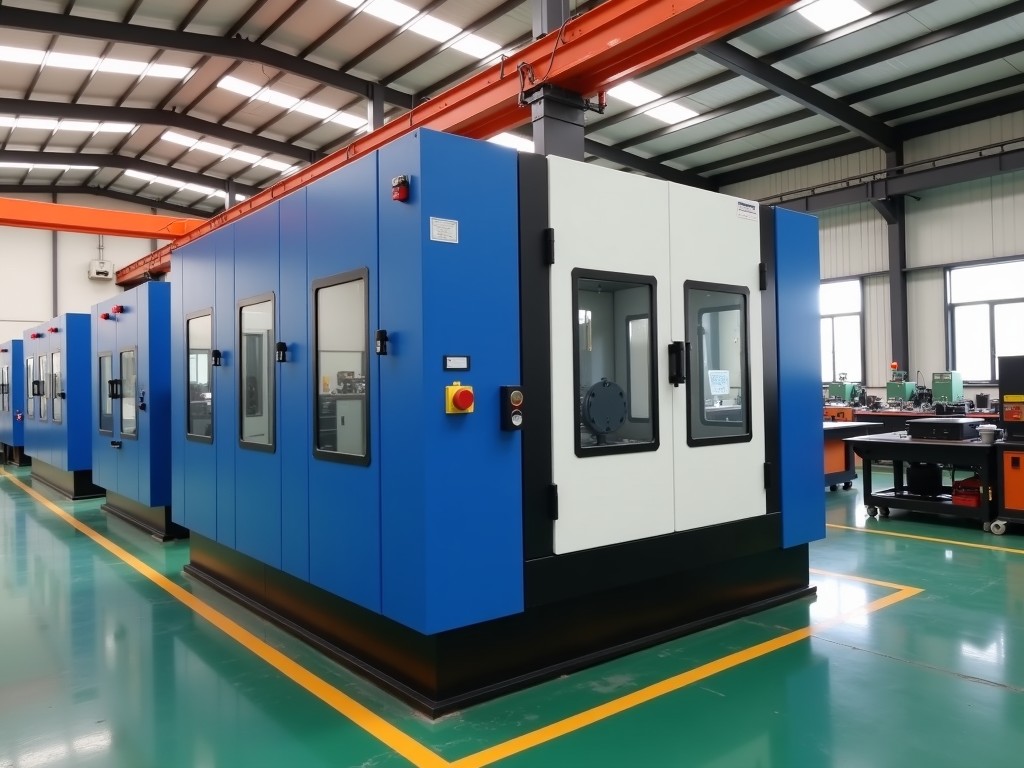
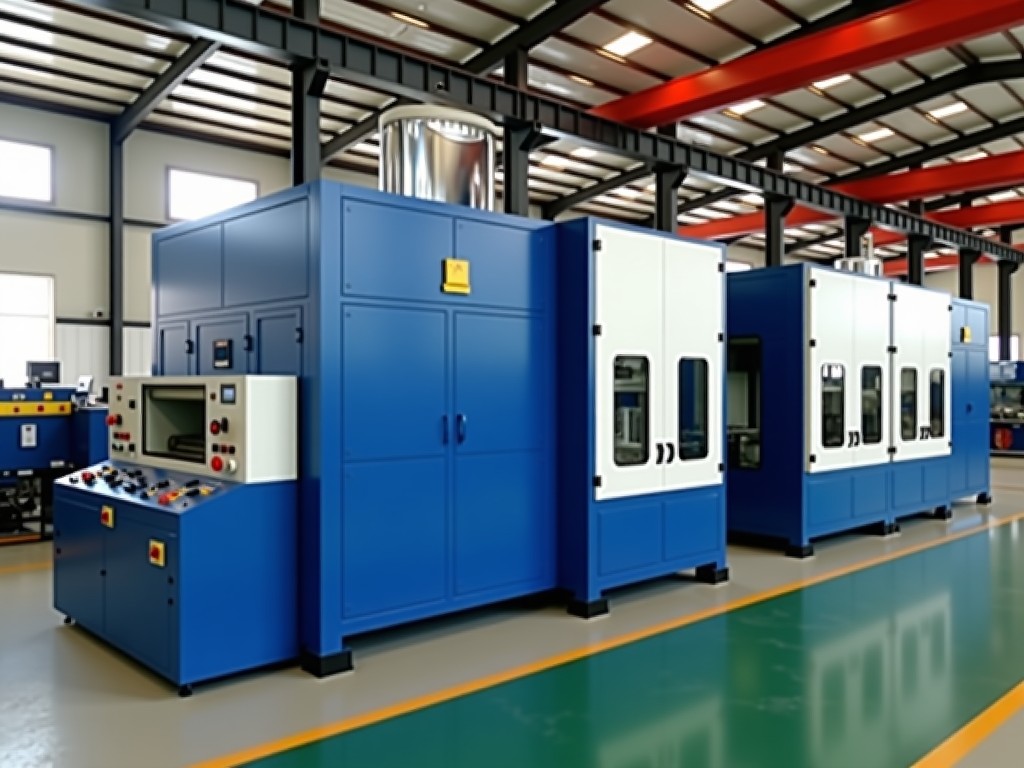
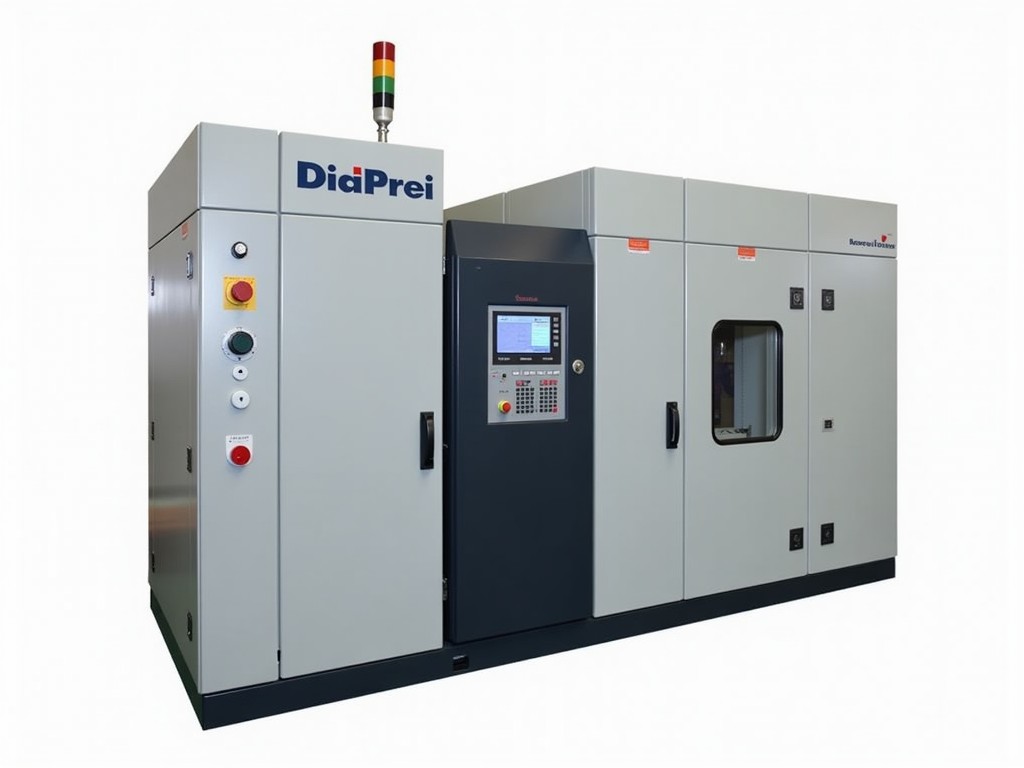
Cold chamber die casting machines inject molten metal into a steel die under high pressure while the metal reservoir remains outside the heated chamber. This arrangement prevents alloy contamination and enables the processing of high‑melting‑point alloys such as aluminum, magnesium, and copper‑based materials. Chinese manufacturers have scaled production capacity, integrated servo‑hydraulic drives, and adopted PLC‑based control platforms that meet international standards for repeatability and traceability.
Machine Design and Technical Parameters
The table below lists typical values for a mid‑range 800‑ton cold chamber unit. All figures are indicative; final specifications are agreed during the engineering review.
| Parameter | Typical Value | Customization |
|---|---|---|
| Clamping force | 800 t (≈7.8 MN) | 400 t – 2000 t available |
| Maximum shot weight (Al) | 12 kg | Up to 30 kg on request |
| Platen size (L × W) | 1100 mm × 1100 mm | Custom dimensions per die layout |
| Injection pressure (peak) | 150 MPa | 120 – 180 MPa selectable |
| Cycle time (dry) | 3.5 s | Optimized per part geometry |
| Control system | Siemens S7‑1500 PLC + HMI | Alternative brands on request |
| Main drive power | 180 kW servo‑hydraulic | Scalable to 350 kW |
Key Engineering Features
A welded box‑type frame, stress‑relieved after machining, provides the rigidity required for consistent die alignment over millions of cycles. The hydraulic power unit uses a variable‑displacement pump coupled to a permanent‑magnet servo motor, delivering pressure on demand and reducing energy consumption by up to 30 % compared with fixed‑speed pumps.
Injection is governed by a closed‑loop position/pressure controller that records shot profile data at 1 kHz. This data stream enables statistical process control and rapid root‑cause analysis when a defect appears. Safety interlocks follow the EN 12417 category 4 architecture: dual‑channel emergency stop, light‑curtain guarding on the die area, and a pressure‑relief valve that vents the accumulator within 50 ms of a fault detection.
Industry Applications and Suitability
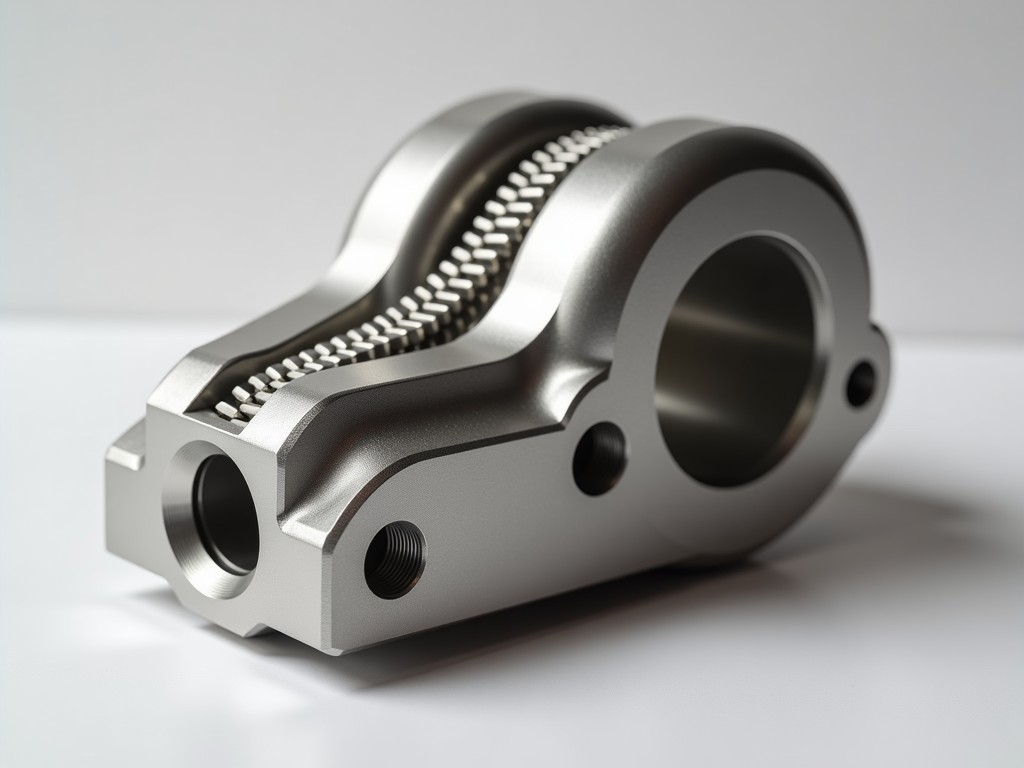
Automotive structural components — such as engine brackets, transmission housings, and suspension knuckles — benefit from the high clamping force and repeatable shot weight, which keep dimensional tolerances within ±0.1 mm across high‑volume runs. In aerospace, the ability to cast magnesium alloys with low porosity satisfies weight‑saving targets while meeting AS9100 traceability requirements. Electronics housings, often produced from zinc‑aluminum alloys, exploit the fast cycle time and precise temperature control to achieve thin‑wall sections down to 1.2 mm without cold‑shut defects.
Customization Options
- Clamping force and platen dimensions tailored to die layout
- Shot sleeve and plunger material (H13, 8407, or ceramic‑coated) for specific alloy chemistries
- Integration of vacuum‑assist or squeeze‑cast modules
- Choice of PLC/HMI brand (Siemens, Mitsubishi, Allen‑Bradley) and communication protocol (PROFINET, EtherCAT, OPC UA)
- Auxiliary equipment: automatic ladle, die‑spray system, part‑extraction robot
Quality Assurance and Inspection
Each machine undergoes a three‑stage verification before shipment. First, a geometric inspection using laser tracker confirms frame squareness and platen parallelism within 0.02 mm/m. Second, a hydraulic performance test records pressure rise time, leakage rate, and accumulator response against the acceptance criteria defined in the purchase specification. Third, a dry‑run cycle test of 500 cycles validates controller logic, safety interlocks, and data logging integrity. Inspection reports are supplied in PDF and CSV formats; third‑party witness testing can be arranged upon request.
Frequently Asked Questions
Can the machine dimensions be customized? Yes. Clamping force, platen size, and stroke length are engineered to the die design; a detailed layout drawing is required for quotation.
What information is needed before a quotation? Target alloy, annual volume, part weight, die dimensions, required cycle time, and any special options such as vacuum or squeeze casting.
Which alloys can be processed? Typical alloys include A380, ADC12, AZ91D, and copper‑based alloys up to 1150 °C melting point. Compatibility is confirmed during the technical review.
How is quality inspected? Geometric, hydraulic, and functional dry‑run tests are performed per the acceptance protocol; full reports are provided.
What packaging methods are used for export? Machines are secured on steel skids, wrapped in VCI film, and placed in seaworthy wooden crates with shock‑absorbing pads. Container loading plans are supplied.
What is the typical production lead time? 12‑16 weeks from order confirmation for standard configurations; customized units may require 20‑24 weeks.
How are samples arranged? After machine commissioning at the buyer’s site, trial runs with the buyer’s die produce first‑article samples for dimensional and metallurgical verification.
Request a Quotation
Provide your part specifications and production targets; our engineering team will prepare a detailed proposal including layout drawings, cycle‑time simulation, and total cost of ownership estimate.
Submit Inquiry